★ Locally Trusted With 3140+ 5-Star Reviews ★

Back to Blog
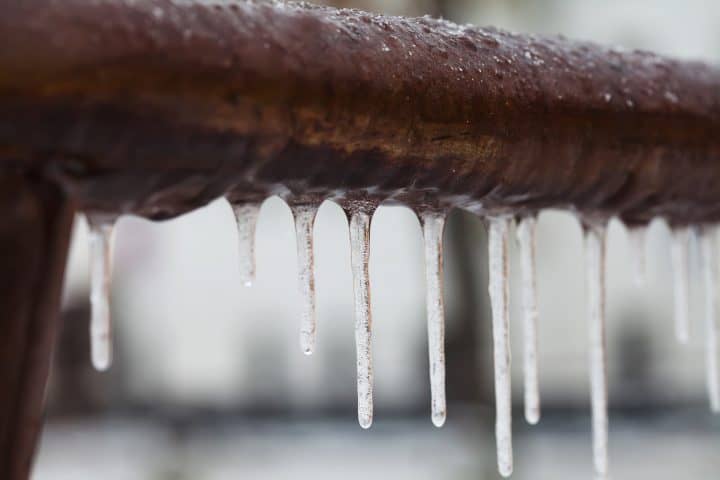
Winter Plumbing: What You Should Know!
As winter approaches, homeowners should be vigilant about potential plumbing issues. Fall is here, and it’s time to prepare your plumbing system for the freezing temperatures ahead. Houses that lack adequate insulation are at risk, and frozen pipes can lead to significant damage. One of the worst situations is dealing with frozen plumbing in the dead of winter. Burst pipes can result in costly water damage, making it essential to winterize your plumbing before the first snow falls.
Signs of Potential Plumbing Issues
Preventing frozen pipes starts with recognizing the warning signs and taking steps to protect your plumbing. Attempting to thaw frozen pipes on your own can be dangerous and may cause further damage. It’s best to contact a licensed plumber to address the issue. The faster you deal with frozen pipes, the better, as the built-up pressure can eventually burst them. Here are some warning signs to watch out for:
- Frost on Pipes: Inspect any exposed pipes in your home, such as those under sinks. Frost on the exterior of the pipes can indicate they are frozen.
- No Running Water: If you notice little to no water coming from a faucet, it could mean that a pipe leading to that faucet is frozen.
- Foul Odors: A foul smell, particularly a septic odor, could be a sign of a frozen pipe. Blocked pipes have no escape route for foul odors, causing them to back up into your home.
- Strange Sounds: Bubbling sounds when you flush the toilet or use the sink can indicate trapped air in a frozen pipe. Listen for whistling, banging, or clanking sounds as well, as these might indicate damaged pipes.
How to Prepare Your Plumbing for Winter
Avoiding costly repairs starts with proper winter preparation. Despite the inevitability of cold temperatures, your plumbing doesn’t have to suffer. Here’s how you can prevent freezing pipes:
- Insulate Your Pipes: Use foam pipe insulation to cover exposed pipes, providing a barrier against the cold.
- Insulate Your Home: Ensure your home is properly insulated, sealing air leaks in the attic, basement, and around doors and windows.
- Let Faucets Drip: During freezing temperatures, let faucets run at a low, steady drip to prevent pressure buildup and freezing.
- Protect Hose Bibs: Store garden hoses and insulate hose bibs to prevent them from freezing.
- Open Cabinet Doors: Keep pantry and cabinet doors open to allow warm air to circulate and reach the pipes.
Be Proactive: Avoid Burst Pipes
Malfunctioning plumbing can lead to expensive frozen pipe repairs and flood damage. It’s crucial to winterize your plumbing before a disaster occurs. Your comfort and warmth shouldn’t be compromised by preventable plumbing issues. With the right preparation, you can keep your plumbing in good condition throughout the winter. Contact us today with any winter plumbing concerns.
Call Milltown for more information on winter plumbing preparation!
Recent News
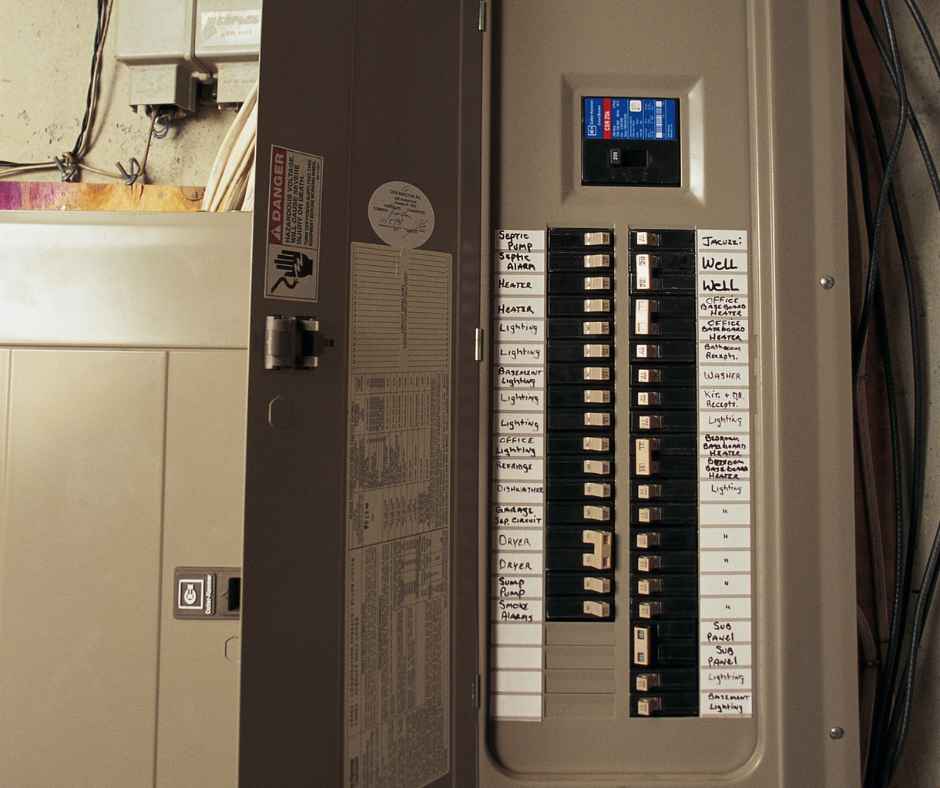
Old Wiring vs. Modern Loads: When Does a Panel Upgrade Become a Safety Necessity in Middlesex County?
A panel upgrade becomes a safety necessity when an older Middlesex County home experiences frequent breaker trips, flickering lights, warm
A panel upgrade becomes a safety necessity when an older Middlesex County home experiences frequent breaker trips, flickering lights, warm
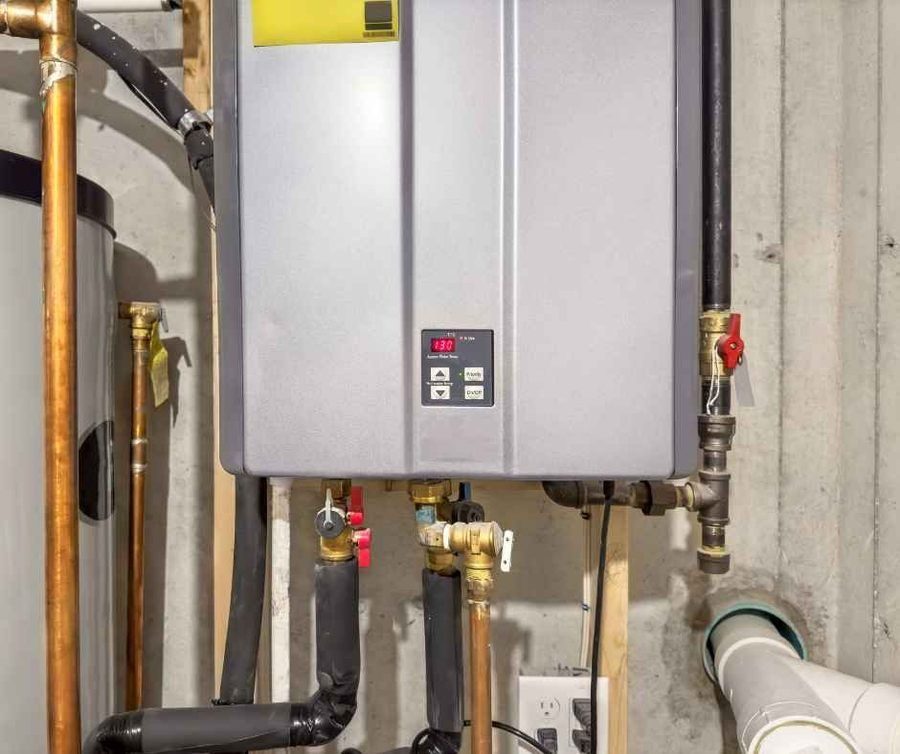
Hard Water & Tankless Systems: Why Massachusetts Mineral Buildup is Your Water Heater’s Worst Enemy
Tankless water heaters can be highly efficient, but mineral buildup can quietly reduce that performance over time. In Massachusetts homes,
Tankless water heaters can be highly efficient, but mineral buildup can quietly reduce that performance over time. In Massachusetts homes,
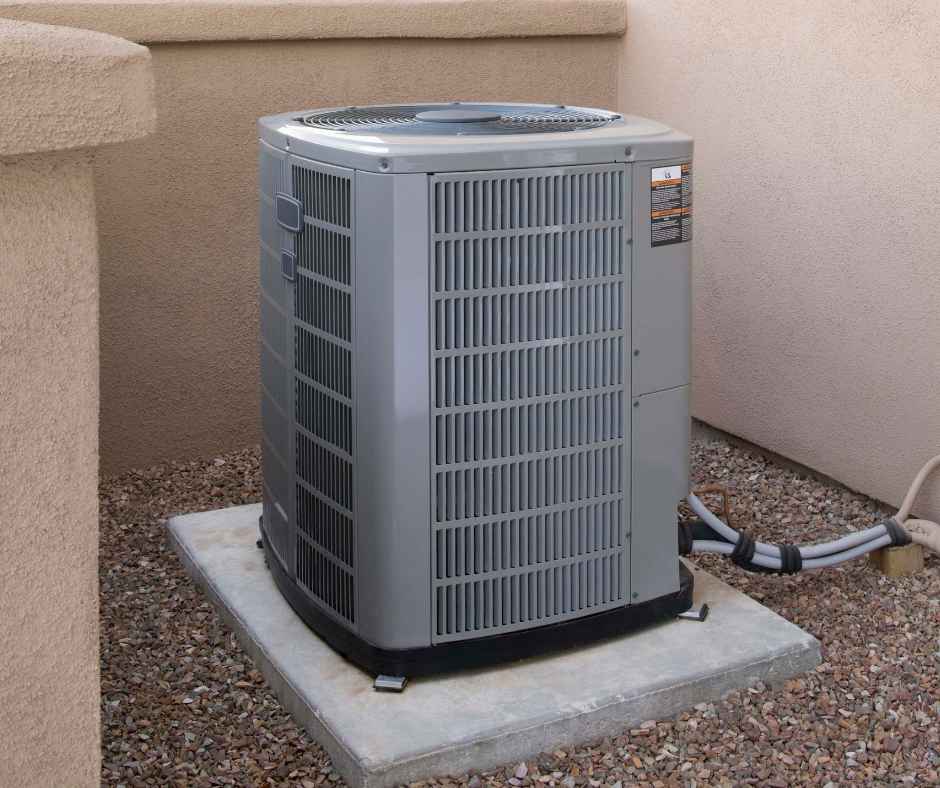
The Cost of Inefficiency: A Deep Dive Into SEER2 Ratings for Massachusetts Homeowners
SEER2 ratings matter because they show how efficiently an air conditioner or heat pump cools your home under updated testing
SEER2 ratings matter because they show how efficiently an air conditioner or heat pump cools your home under updated testing
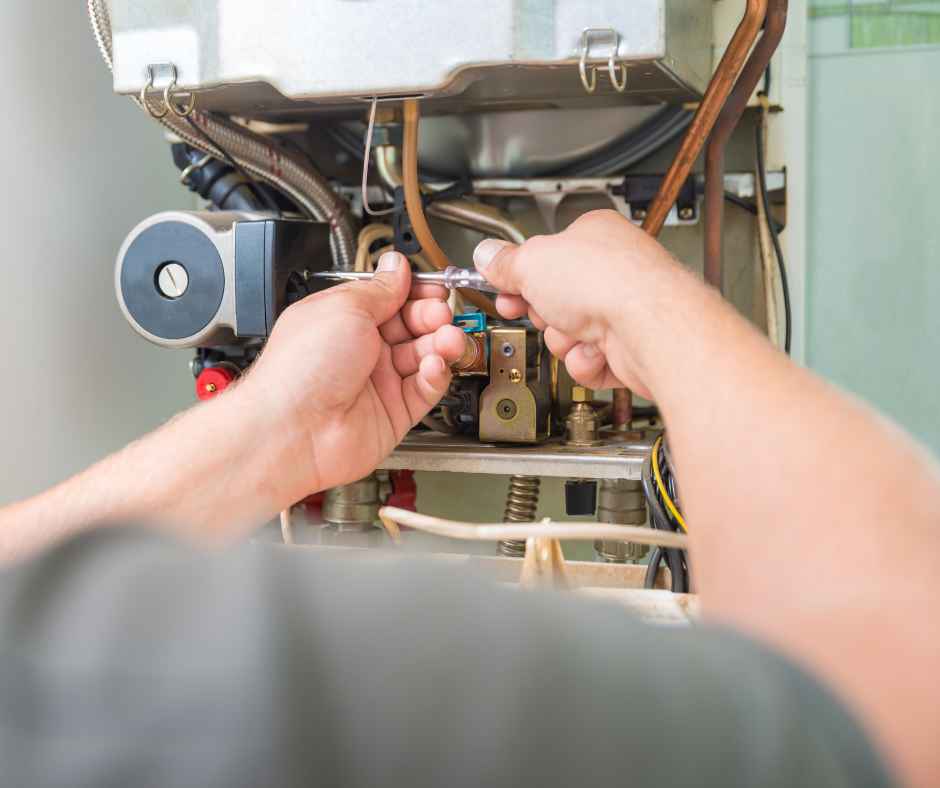
How to Prepare Your Heating System for a Sudden New England Cold Snap
In New England, the weather can shift from a mild afternoon to a bone-chilling freeze in a matter of hours.
In New England, the weather can shift from a mild afternoon to a bone-chilling freeze in a matter of hours.
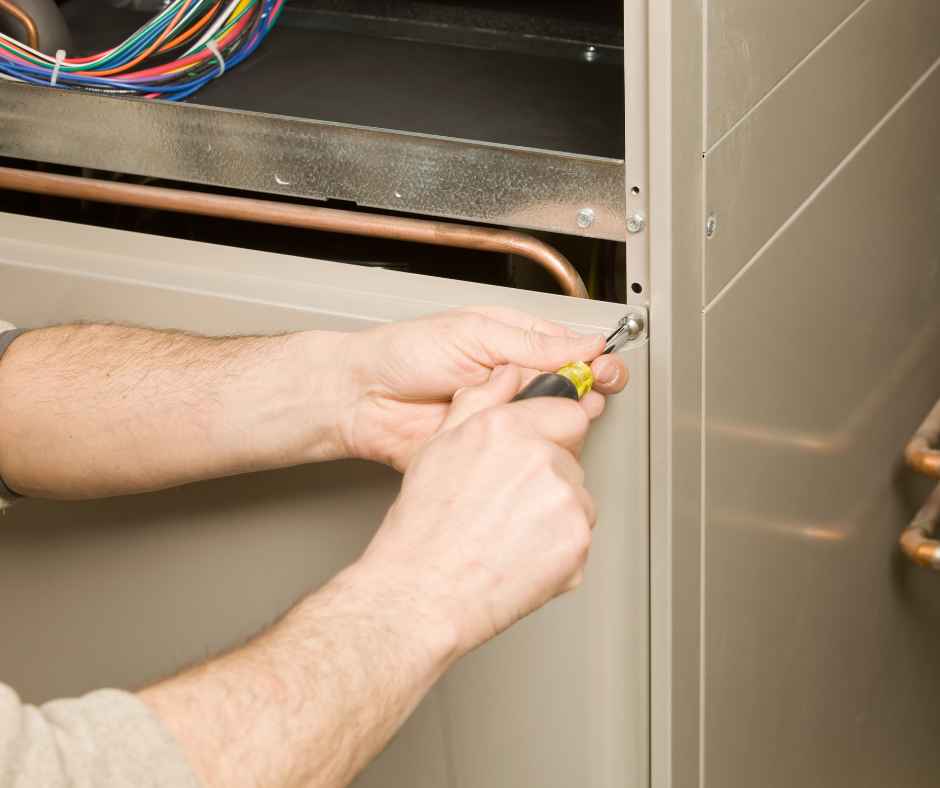
How to Lower Heating Bills Without Sacrificing Comfort in Massachusetts Homes
Surviving a Massachusetts winter requires more than just a heavy coat and a snow shovel. For homeowners across the state,
Surviving a Massachusetts winter requires more than just a heavy coat and a snow shovel. For homeowners across the state,
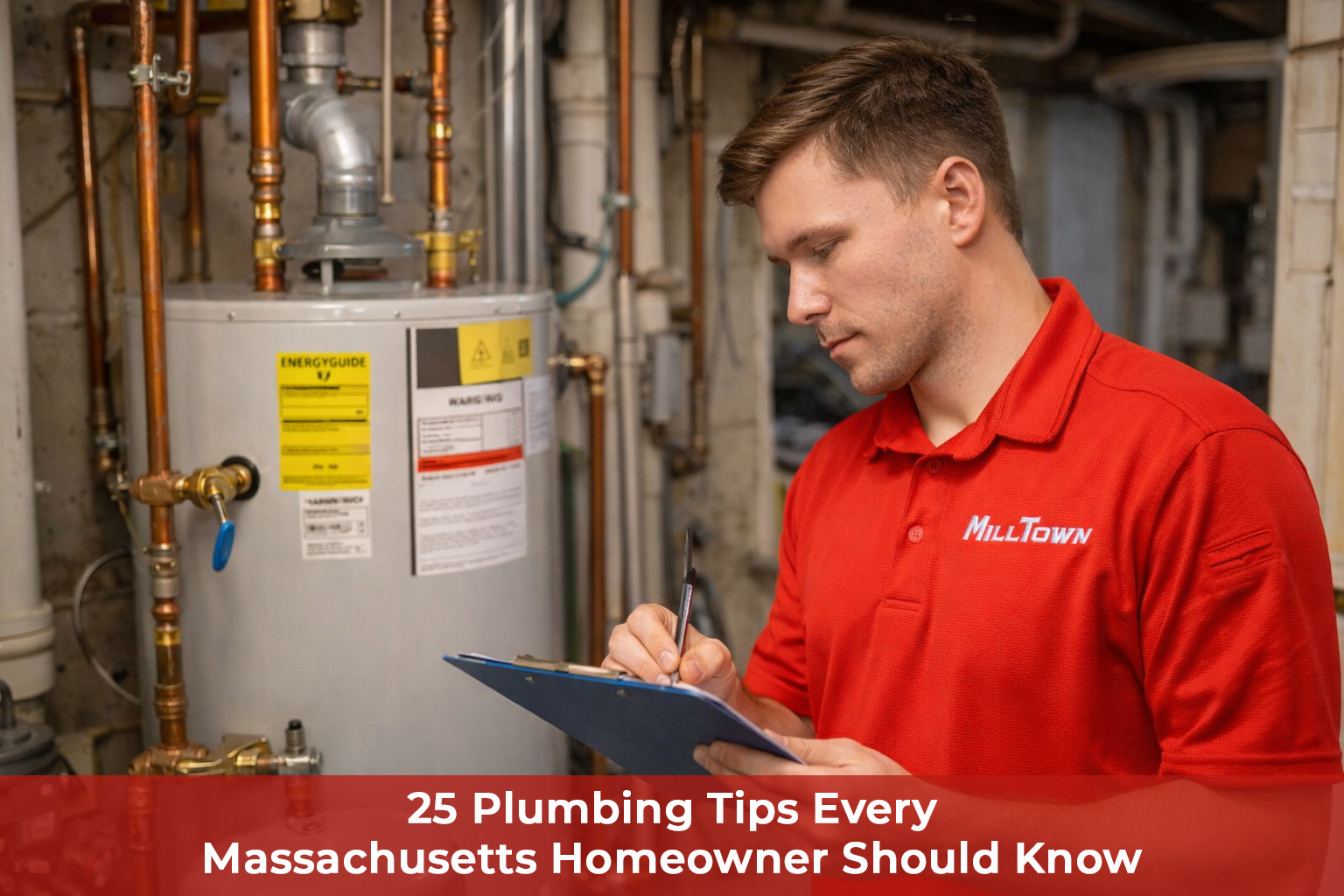
25 Plumbing Tips Every Massachusetts Homeowner Should Know
Keep your water flowing smoothly with advice from the experts at MillTown Plumbing, Heating, Cooling & Electrical When it comes
Keep your water flowing smoothly with advice from the experts at MillTown Plumbing, Heating, Cooling & Electrical When it comes
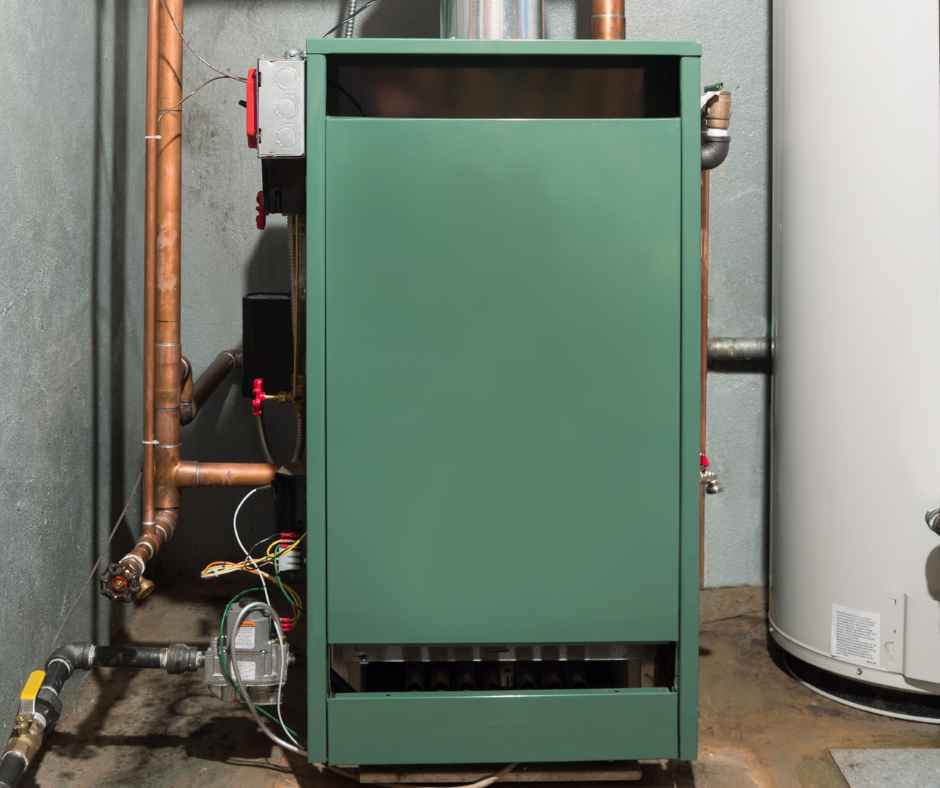
Common Winter HVAC Issues in Massachusetts Homes and When to Call for Service
Massachusetts winters bring freezing temperatures, heavy snowfall, and extended periods of cold weather that place constant strain on home heating
Massachusetts winters bring freezing temperatures, heavy snowfall, and extended periods of cold weather that place constant strain on home heating
Areas In Mass We Service
Acton, MA
Andover, MA
Arlington, MA
Ayer, MA
Bedford, MA
Berlin, MA
Billerica, MA
Bolton, MA
Boxborough, MA
Burlington, MA
Carlisle, MA
Chelmsford, MA
Clinton, MA
Concord, MA
Devens, MA
Dracut, MA
Dunstable, MA
Fitchburg, MA
Georgetown, MA
Groton, MA
Groveland, MA
Harvard, MA
Haverhill, MA
Hudson, MA
Lancaster, MA
Lawrence, MA
Leominster, MA
Lexington, MA
Lincoln, MA
Littleton, MA
Lowell, MA
Lunenburg, MA
Marlborough, MA
Maynard, MA
Methuen, MA
North Andover, MA
North Billerica, MA
North Chelmsford, MA
North Reading, MA
Pepperell, MA
Reading, MA
Shirley, MA
Stoneham, MA
Stow, MA
Sudbury, MA
Tewksbury, MA
Townsend, MA
Tyngsborough, MA
Wakefield, MA
Waltham, MA
Wayland, MA
West Groton, MA
Westford, MA
Weston, MA
Wilmington, MA
Woburn, MA
