★ Locally Trusted With 3158+ 5-Star Reviews ★

Back to Blog

How to Winterize Hot Water Heaters
Hot water heaters are pivotal in delivering hot water across your home. Every time you take a shower or wash the dishes, your hot water heater is at work. Regardless of whether your system is electric or fuel-powered, it provides warm water to you and your family. Given its importance, regular maintenance of your hot water heater is essential.
Picture losing access to hot water when you need it most! During the winter months, when temperatures drop and storms are frequent, it’s crucial to ensure your appliances, including your hot water heater, are in top-notch condition. A step to consider in this process is winterizing your hot water heater. Here’s what you need to know about how your hot water heater works and how to prepare it for the upcoming winter season.
How Hot Water Heaters Work
To effectively winterize your home’s water heater, you need to understand the type of system you have. Here are the different types of hot water heaters:
- Storage tank heaters are the most common water heating systems in modern homes. They run on electricity or fuel; electric heaters connect to your home service panel, while fuel-powered ones have vents for exhaust removal. Both systems deliver hot water through the home’s piping system. For instance, when you turn on your shower, hot water is pumped from your water heater.
- Tankless hot water heaters distribute hot water as it’s used, instead of storing it in bulk. They heat water through a coil of pipe that delivers hot water directly to your taps.
- Heat pumps use electricity to move heat rather than directly generating it. They can be standalone models or added to existing systems for increased efficiency.
- Solar heaters harness the sun’s energy to heat water. They are cost-efficient in the long run but typically require a backup system for days without sufficient sunlight. Proper placement, like on your roof, is crucial for maximum sun exposure.
- Condensing heaters work with gas systems. Unlike traditional heaters that expel exhaust gases through a flue, condensing heaters capture these gases to further heat the water.
How Winter May Affect Your Water Heater
Cold weather can stress systems designed to provide heat, including water heaters. If your water heater takes longer to heat water or shuts down completely, you could be left without hot water, risking damage like freezing pipes.
For example, if your heater is set to heat water to 120 degrees, it will consistently achieve this temperature. However, in freezing weather, it may take longer to reach this temperature. Hot water usage also tends to increase in colder months due to more frequent warm showers or baths. If your water heater needs servicing or is not performing optimally, contact a local professional for a check-up.
Steps Homeowners Can Take
While professional help is always advisable, homeowners can take the following steps to winterize their tank or tankless water heater:
- Locate and turn off your water shut-off valve. This may be inside or outside your home. Next, unplug your water heater or turn off its fuel source, ensuring the pilot light is out and the knob is in the off position.
- Drain the remaining water in the tank using a bucket or a hose directed to a drainage area. Open faucets and fixtures throughout your house, including outside hose connections, to let the water drain completely.
- Wrap pipes leading to and from your water heater for insulation. Consider using heater-specific blankets to wrap around the heater for extra protection during freezing temperatures.
- For solar heaters, contact a professional to ensure they are properly protected and not damaged during winter.
Now that you know how different water heaters work, you’re ready to prepare them for the cold winter months ahead.
Contact MillTown Plumbing, Heating, Air Conditioning, and Drain Cleaning today for more information on hot water heaters!
Recent News
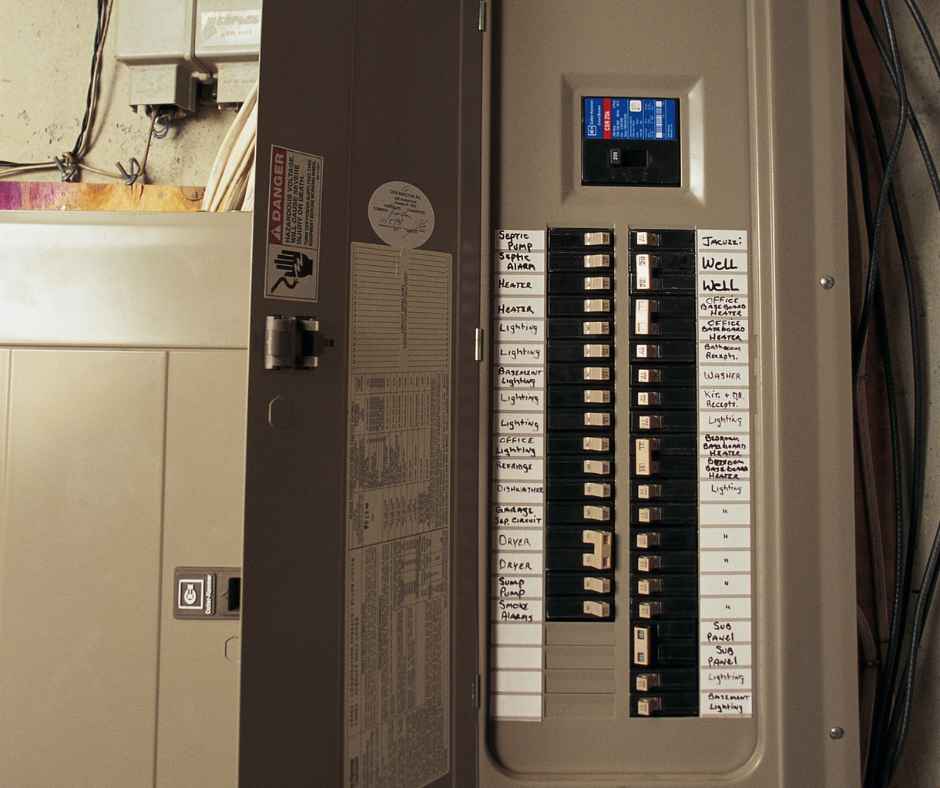
Old Wiring vs. Modern Loads: When Does a Panel Upgrade Become a Safety Necessity in Middlesex County?
A panel upgrade becomes a safety necessity when an older Middlesex County home experiences frequent breaker trips, flickering lights, warm
A panel upgrade becomes a safety necessity when an older Middlesex County home experiences frequent breaker trips, flickering lights, warm
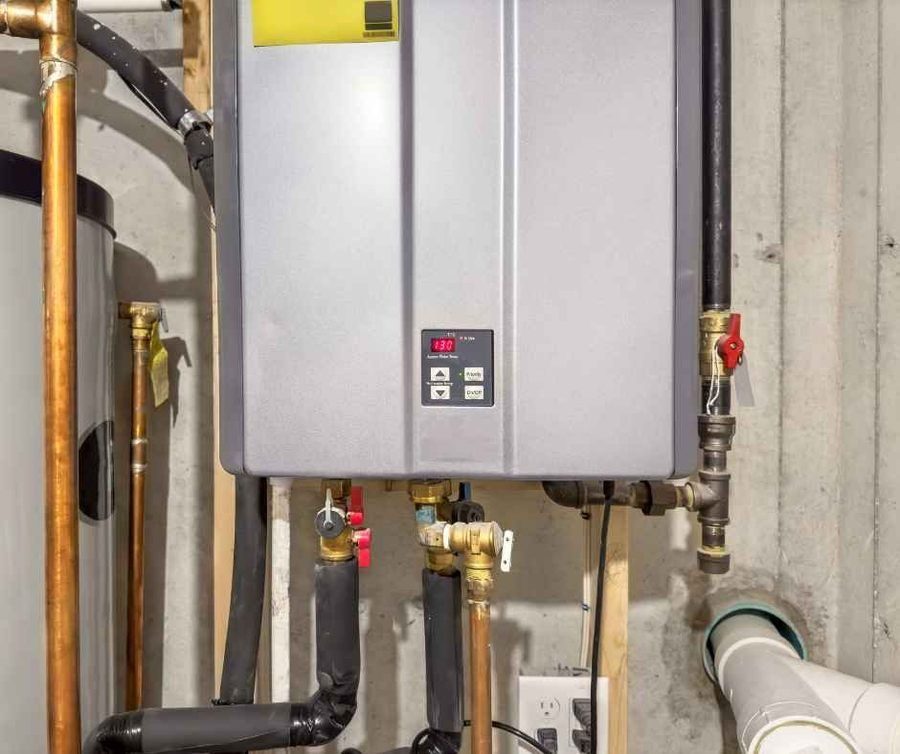
Hard Water & Tankless Systems: Why Massachusetts Mineral Buildup is Your Water Heater’s Worst Enemy
Tankless water heaters can be highly efficient, but mineral buildup can quietly reduce that performance over time. In Massachusetts homes,
Tankless water heaters can be highly efficient, but mineral buildup can quietly reduce that performance over time. In Massachusetts homes,
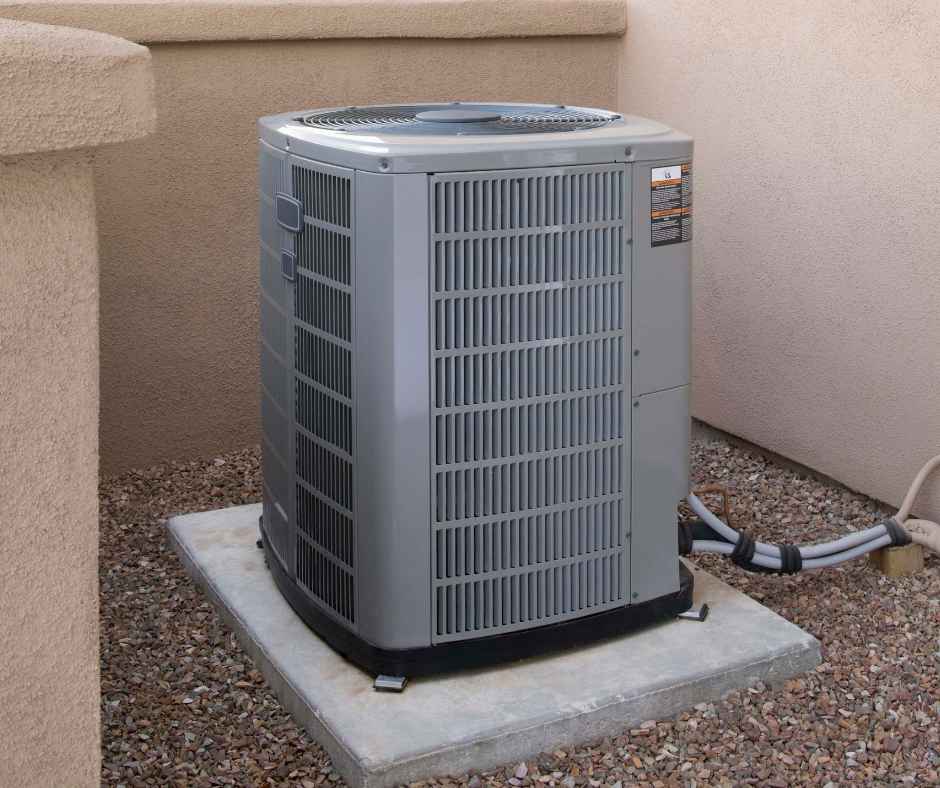
The Cost of Inefficiency: A Deep Dive Into SEER2 Ratings for Massachusetts Homeowners
SEER2 ratings matter because they show how efficiently an air conditioner or heat pump cools your home under updated testing
SEER2 ratings matter because they show how efficiently an air conditioner or heat pump cools your home under updated testing
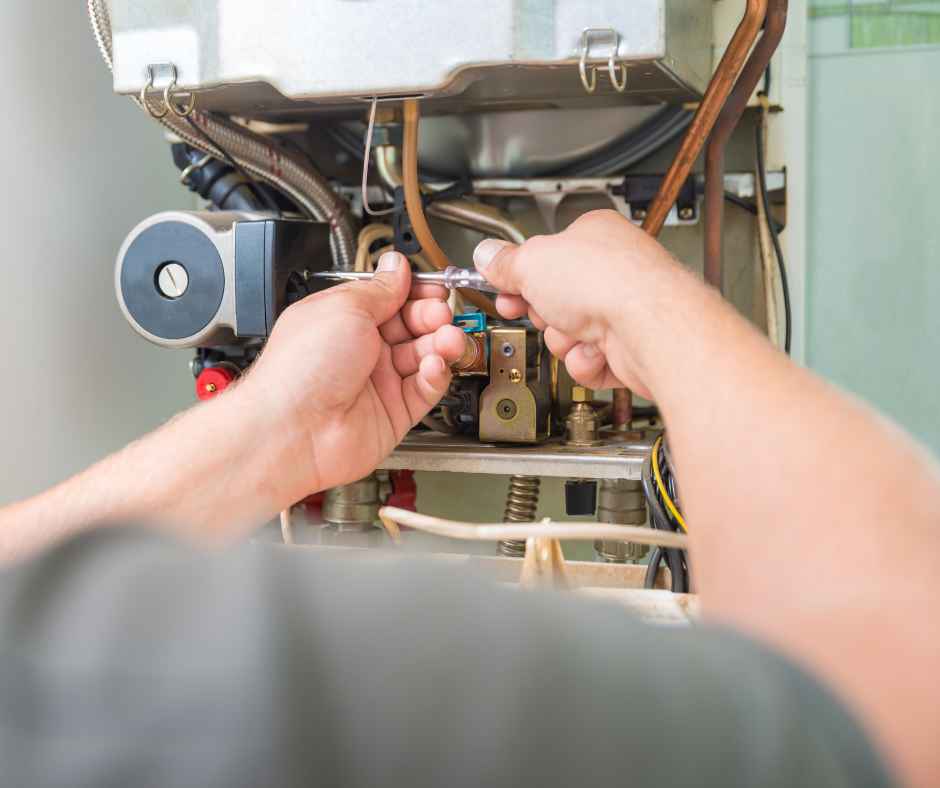
How to Prepare Your Heating System for a Sudden New England Cold Snap
In New England, the weather can shift from a mild afternoon to a bone-chilling freeze in a matter of hours.
In New England, the weather can shift from a mild afternoon to a bone-chilling freeze in a matter of hours.
How to Lower Heating Bills Without Sacrificing Comfort in Massachusetts Homes
Surviving a Massachusetts winter requires more than just a heavy coat and a snow shovel. For homeowners across the state,
Surviving a Massachusetts winter requires more than just a heavy coat and a snow shovel. For homeowners across the state,

25 Plumbing Tips Every Massachusetts Homeowner Should Know
Keep your water flowing smoothly with advice from the experts at MillTown Plumbing, Heating, Cooling & Electrical When it comes
Keep your water flowing smoothly with advice from the experts at MillTown Plumbing, Heating, Cooling & Electrical When it comes
Common Winter HVAC Issues in Massachusetts Homes and When to Call for Service
Massachusetts winters bring freezing temperatures, heavy snowfall, and extended periods of cold weather that place constant strain on home heating
Massachusetts winters bring freezing temperatures, heavy snowfall, and extended periods of cold weather that place constant strain on home heating
Areas In Mass We Service
Acton, MA
Andover, MA
Arlington, MA
Ayer, MA
Bedford, MA
Berlin, MA
Billerica, MA
Bolton, MA
Boxborough, MA
Burlington, MA
Carlisle, MA
Chelmsford, MA
Clinton, MA
Concord, MA
Devens, MA
Dracut, MA
Dunstable, MA
Fitchburg, MA
Georgetown, MA
Groton, MA
Groveland, MA
Harvard, MA
Haverhill, MA
Hudson, MA
Lancaster, MA
Lawrence, MA
Leominster, MA
Lexington, MA
Lincoln, MA
Littleton, MA
Lowell, MA
Lunenburg, MA
Marlborough, MA
Maynard, MA
Methuen, MA
North Andover, MA
North Billerica, MA
North Chelmsford, MA
North Reading, MA
Pepperell, MA
Reading, MA
Shirley, MA
Stoneham, MA
Stow, MA
Sudbury, MA
Tewksbury, MA
Townsend, MA
Tyngsborough, MA
Wakefield, MA
Waltham, MA
Wayland, MA
West Groton, MA
Westford, MA
Weston, MA
Wilmington, MA
Woburn, MA
