★ Locally Trusted With 3193+ 5-Star Reviews ★

Back to Blog

What’s Really Floating in Your Indoor Breathing Air?
A Homeowner’s Guide to Dust, Health & Indoor Air Quality
When a sunbeam cuts across your living room, those tiny flecks of light dancing in the air might look harmless — almost peaceful. But that haze isn’t just dust.
It’s a swirling mix of microscopic particles: skin flakes, pet dander, mold spores, fibers, and even traces of toxic chemicals that can quietly impact your family’s health year-round.
Why? Because every season in New England brings its own indoor air quality challenges.
- Winter traps stale air inside tightly sealed homes.
- Spring ushers in pollen and mold.
- Summer humidity feeds dust mites and musty odors.
- Fall stirs up hidden allergens as heating systems kick back on.
What do all these seasons have in common?
Dust.
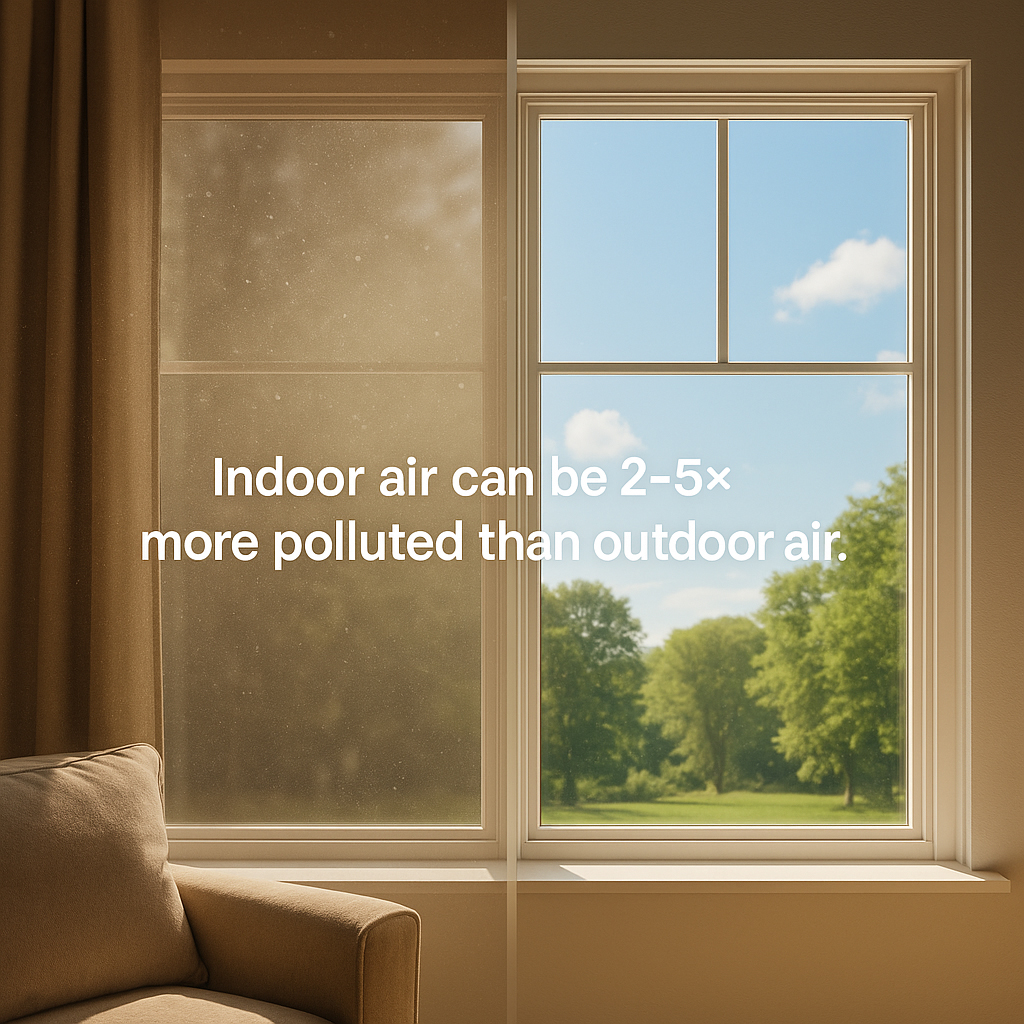
And here’s what most homeowners don’t realize: according to the U.S. Environmental Protection Agency (EPA), the air inside your home can be two to five times more polluted than the air outside.
Americans spend roughly 90% of their time indoors, and those who are most vulnerable — children, older adults, and anyone with asthma, allergies, or heart or lung conditions — often spend even more time breathing that same low quality air.
Modern building practices have made homes more energy-efficient, but also more airtight. Without proper ventilation and filtration, indoor air can trap pollutants from synthetic materials, furniture, flooring, cleaning products, and everyday activities.
Over time, these particles settle as dust — and that’s when it starts to affect your comfort, your air quality, and your health.
Quick Take: What You’ll Learn in This Guide
- What causes dust in your home? Dust isn’t just dirt — it’s a mix of skin flakes, fibers, bacteria, and even harmful chemicals like PFAS and phthalates.
- How you can take control of your indoor air quality with smarter cleaning, high-MERV filters, air purifiers, dehumidifiers, and UV lights that work together to keep your home’s air clean year-round.
That’s why understanding what’s floating in your home’s air isn’t just about curiosity — it’s about peace of mind. The same tiny particles that collect on your shelves are the ones your family breathes in every day.
Over time, dust can contribute to respiratory issues, immune problems, and even long-term metabolic conditions. Worse yet, dust doesn’t go away when you wipe a surface—it floats, resettles, and keeps cycling through your home.
At MillTown, we’ve seen how small changes in indoor air quality can make a big difference in how a home feels: cleaner, fresher, and more comfortable. Let’s take a closer look at why dust matters and what you can do to keep your air (and your family) healthy year-round.
Why Dust Matters for Your Health and Home Comfort
Dust in the air may look harmless until you realize that it is a complex mixture of particles from inside and outside your home:
- Toxic chemicals
- Lead (from old paint)
- Phthalates (from vinyl flooring and plastics)
- Flame retardants (from furniture foam and electronics)
- PFAS (from stain- and water-resistant coatings)
- Skin flakes
- Soil tracked in from shoes
- Carpet and upholstery fibers
- Decomposed insects
- Mold spores and pollen
- Pet dander
- Bacteria
Dust isn’t just an annoyance; it’s a health hazard. Consumer Reports notes that the substances hitching a ride on dust can cause serious issues:
- Respiratory irritation: Dust particles can trigger asthma and allergies.
- Chemical exposure: PFAS, phthalates, and flame retardants in dust are linked to immune and metabolic health problems.
- Bacterial spread: Dust harbors microorganisms that can linger in the air.
- System strain: Dust circulating through HVAC systems can clog filters, reduce efficiency, and cause breakdowns.
For homeowners, that means dust is more than housekeeping—it’s about protecting your health and your home’s comfort systems as well.
How to Improve Indoor Air Quality in Your House
The good news? You can take real steps to reduce dust, protect your indoor air quality, and support your HVAC system.
#1. Whole-Home Air Purifiers vs Standalone Air Purifiers
Cleaning the air you breathe isn’t just about comfort—it’s about health too. Air purifiers remove tiny airborne pollutants that you can’t see. Whether your home has a full HVAC system or not, there’s a solution that can help you breathe easier.
Whole-Home Air Purification (for Homes With Ductwork)
If your home has central heating and cooling with ductwork, MillTown can install a whole-home air purification system directly into your HVAC system. This setup filters and refreshes the air in every room—not just where a portable purifier happens to be.
How It Works:
Whole-home air purifiers connect to your HVAC return duct or air handler. As air flows through your system, it passes through a specialized purification unit that traps and neutralizes pollutants before clean air is distributed back into your living spaces.
Benefits:
- Cleans every cubic foot of air circulated through your HVAC system
- Removes allergens, dust, smoke, pet dander, and even bacteria
- Reduces odors from cooking, pets, or cleaning products
- Enhances HVAC performance by keeping components cleaner longer
Options:
- HEPA Filters: Capture 99.97% of particles as small as 0.3 microns—the same size as most dust particles.
- Carbon Filters: Absorb odors and volatile organic compounds (VOCs).
- UV-C Light or Ionization Systems: Neutralize bacteria and viruses for added protection.
Maintenance:
Filters typically need replacing every 3–6 months, or more often if you have pets or allergies. UV lamps or ionization modules are usually replaced annually.
If your home has ductwork, adding a whole-home air purifier is one of the most effective upgrades you can make for long-term indoor air quality. Our team installs systems that integrate seamlessly with your existing HVAC equipment so you don’t have to worry about bulky devices cluttering your rooms.
Standalone Air Purifiers (for Homes Without Ductwork)
If your home doesn’t have a central HVAC system—or you just want added filtration in key areas—standalone air purifiers are an effective alternative. These portable units draw in air, filter out pollutants, and release clean air back into the room.
Where to Place Them:
- Bedrooms, living rooms, and home offices
- Near dust-heavy areas like fireplaces, wood stoves, or pet beds
- Anywhere family members spend the most time
Best Practices:
- Run Time: Keep them running 24/7 for continuous filtration.
- Placement: Position them at least 6 inches from walls or furniture to ensure good airflow.
- Filter Care: Replace HEPA filters every 3–6 months and clean prefilters as directed.
Pro Tip: Use auto mode if available—it automatically adjusts fan speed based on air quality, reducing noise and saving energy.
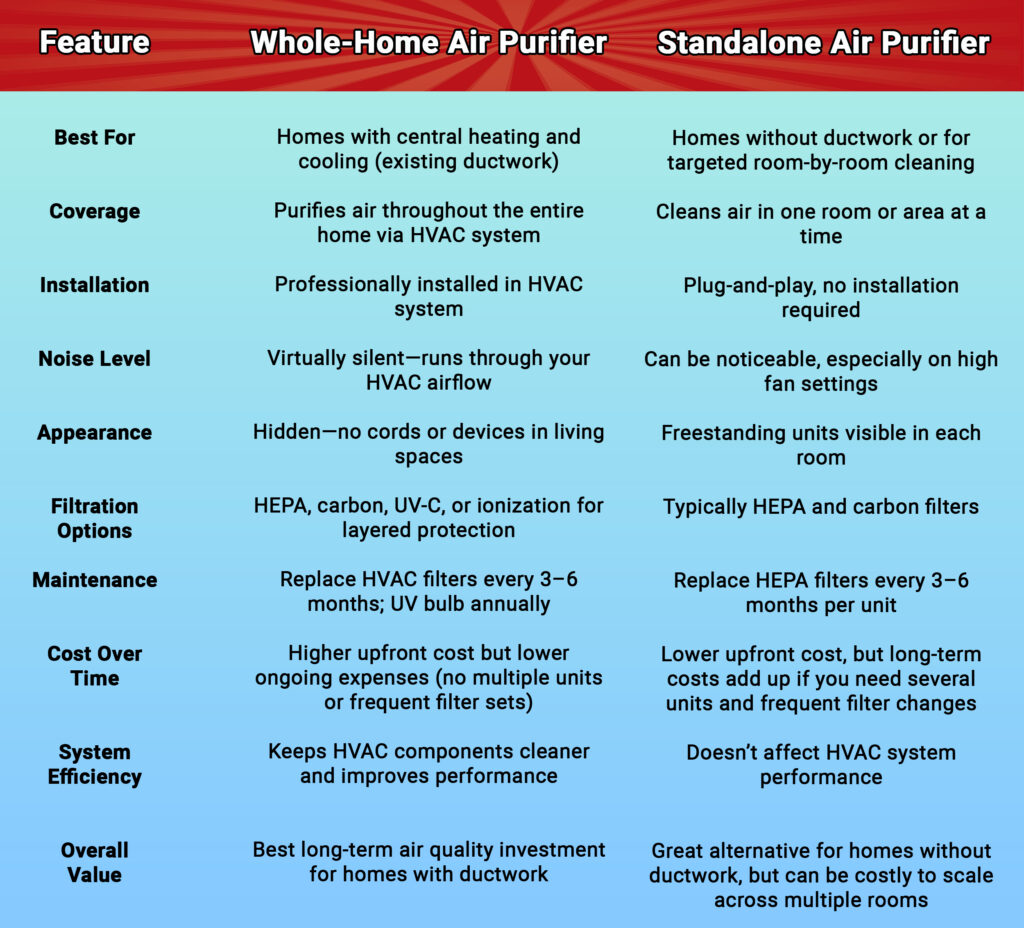
Whole-Home vs. Standalone Air Purifiers: Which Is Right for You?
Not every New England home has central heating and cooling with ductwork—and that can make a big difference when it comes to how you clean your indoor air.
If your home has ductwork, a whole-home air purifier offers the most efficient, cost-effective way to clean the air in every room.
If your home doesn’t have ductwork, standalone air purifiers are a great option. Just remember that filter costs can add up fast when you have one in nearly every room.
Here’s how whole-home and standalone air purifiers compare when it comes to comfort, coverage, and cost.
#2 – HVAC Air Filters
If your home has a heating and cooling system with ductwork, such as a furnace, your HVAC filter is the first line of defense against dust, allergens, and airborne debris.
Every time your system runs, it pulls air through return vents, filters out contaminants, and sends conditioned air back through supply ducts. Without proper filtration, that same dust and dirt just keeps recirculating.
HVAC Filter MERV Rating Explained
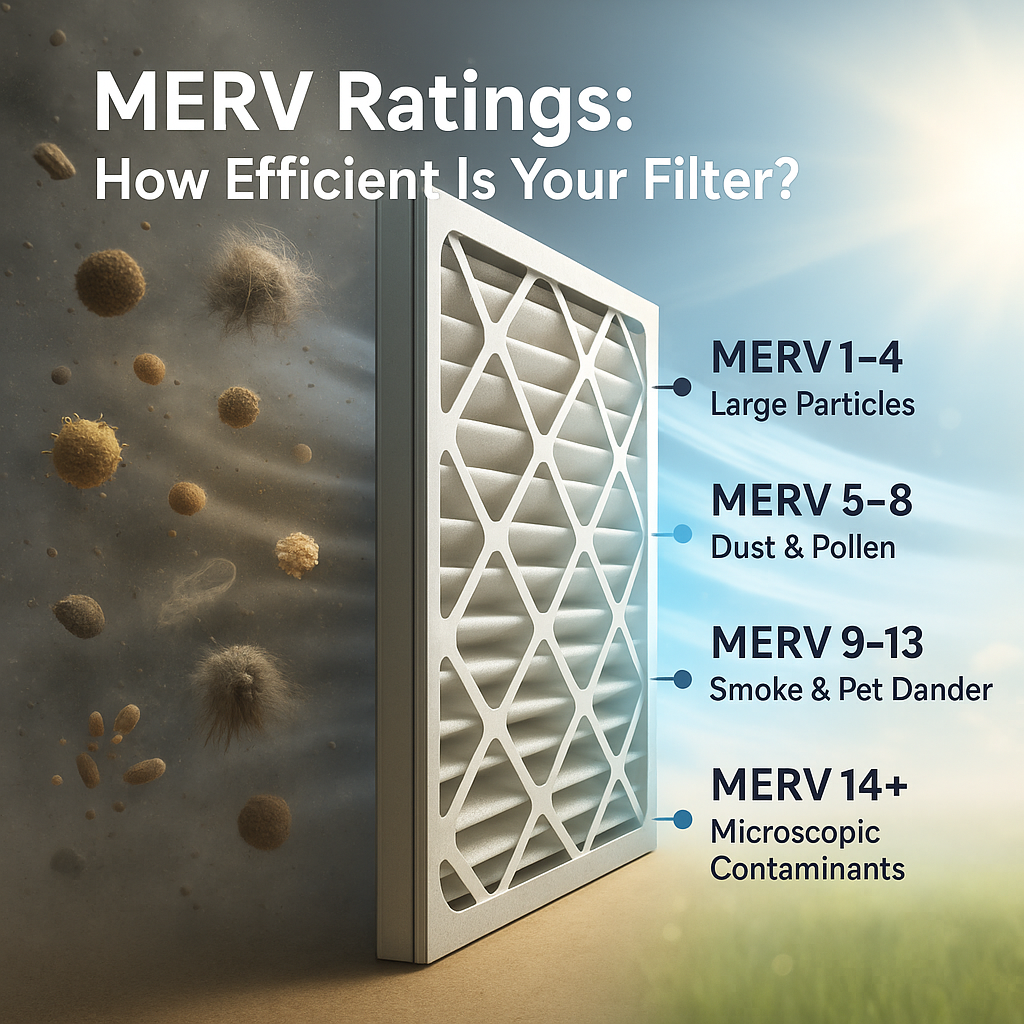
Every HVAC filter has a MERV rating, which stands for Minimum Efficiency Reporting Value. It’s a standardized measurement that tells you how effectively a filter traps particles as air passes through it. The higher the number, the smaller the particles it can capture.
- Low MERV (1–4): Basic filters that catch only large debris like lint or dust bunnies. Common in older systems but offer little protection for air quality.
- Medium MERV (5–8): Standard residential filters that capture pollen, mold spores, and most household dust—a solid balance between airflow and filtration.
- High MERV (9–13): Advanced filters that trap bacteria, smoke, pet dander, and fine dust particles. These are ideal for households with asthma and allergy sufferers, or pets.
- Very High MERV (14+): Hospital-grade filters that remove microscopic contaminants, but these are usually too restrictive for most residential systems.
Choosing the right MERV rating is about finding the sweet spot between air quality and system performance. A filter that’s too restrictive can limit airflow and strain your HVAC equipment. Ask your MillTown technician for recommendations today.
Replacement Schedule
Most standard filters should be replaced every 90 days, or more often if you have pets, smoke indoors, or suffer from allergies. High-performance filters can sometimes last up to 12 months, but it’s always best to inspect them monthly during heavy-use seasons.
Thicker Filters and Upgrades
Filters also come in different thicknesses, typically ranging from 1 to 4 inches.
- Thicker filters capture more dust and allergens.
- They last longer and often have higher MERV ratings.
- However, not every HVAC system can handle thicker filters without modifications.
Ask a MillTown technician whether your system can accommodate a higher-MERV, thicker filter for enhanced indoor air quality.
Pro Tip: A clogged filter doesn’t just reduce air quality—it forces your system to work harder, raising energy bills and wear-and-tear on your HVAC system.
#3. Dehumidifier Installation
Dehumidifiers are the unsung heroes of indoor air quality solutions. They’re one of the best ways to control dust mites, mold, and musty odors by keeping your home’s humidity in check
Ideally, indoor humidity should stay below 50%, but that can be tough to maintain in a New England summer or rainy spring or fall.
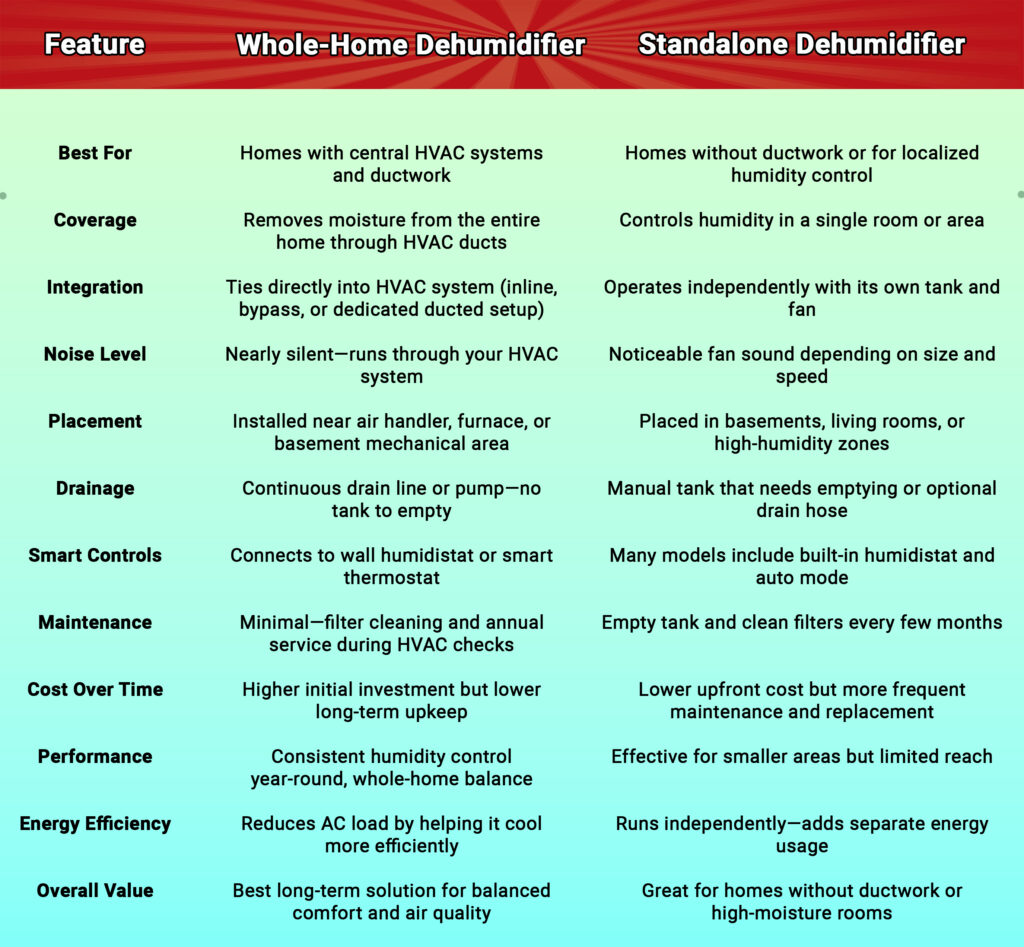
A dehumidifier can help, and if your home already has central HVAC with ductwork, you can take it a step further with a whole-home dehumidifier.
- Placement: Basements are common problem areas. A large-capacity unit can help control moisture throughout the house.
- Maintenance: Empty the tank or attach a drain hose. Clean the filter regularly.
- Smart Control: Choose a dehumidifier with a built-in humidistat. It automatically turns off when the desired humidity is reached and back on when levels rise again.
How Whole-Home Dehumidifiers Work (for Homes With Ductwork)
Whole-home dehumidifiers connect directly to your HVAC system’s ductwork, quietly pulling in humid air, removing excess moisture, and sending dry, comfortable air back through your vents. This setup keeps every room in the house balanced, not just the basement where your system is usually found.
There are a few ways these systems integrate:
- Inline systems tie into your return duct, drying the air before it’s distributed throughout your home.
- Bypass systems circulate air through the dehumidifier even when your AC isn’t running—ideal for maintaining comfort on mild days.
- Standalone ducted systems can connect to their own vents, operating independently from your furnace or AC.
Benefits of Whole-Home Dehumidifiers
- Maintain steady humidity around 40–50% year-round.
- Reduce mold and mildew risk, especially in damp basements or crawl spaces.
- Prevent dust mite growth and musty odors.
- Improve overall comfort and air quality without forcing your AC to overcool the air.
Installation Details
These units are typically installed in or near your HVAC system. Moisture is collected through a condensate line or pump. They can also connect to a smart thermostat or wall-mounted humidity control, giving you precision comfort control year-round.
Pro tip: If your home feels sticky or clammy even when the air conditioner is running, or you’ve noticed lingering moisture in your basement, a whole-home dehumidifier could be the missing piece to help you stay comfortable all year long.
Standalone Dehumidifiers (for Homes Without Ductwork)
No ductwork? No problem. If your home doesn’t have central ductwork, which is common in older New England houses, you can still enjoy the benefits of controlled humidity with a standalone dehumidifier.
These portable or semi-permanent units work independently from your HVAC system and are available in a range of sizes to match your space:
- Basement models are perfect for controlling moisture in large, unfinished or partially finished areas.
- Whole-space units can be installed in key rooms or open floor plans to reduce humidity across multiple areas.
- Smart models let you monitor humidity levels remotely and automatically adjust as needed.
Maintenance Is Simple
Standalone dehumidifiers require minimal upkeep:
- Empty the water tank as needed (or attach a drain hose).
- Clean or replace filters every few months.
- Position the unit at least one foot away from walls and furniture to allow proper airflow.
Even without ductwork, humidity control protects your home’s structure, prevents mold growth, and makes every room more comfortable during humid Massachusetts summers.
Pro Tip: Dust mites feed on skin flakes and moisture. Reduce humidity, and you’ll starve their growth cycle.
#4. UV Light Air Purification
UV lights are the invisible defenders in your ductwork. They can significantly improve your indoor air quality when installed into an HVAC system with existing ductwork by a professional. They don’t replace filters or purifiers, but they complement them by targeting a different kind of pollutant: biological contaminants like mold, bacteria, and viruses.
How UV Lights Work in HVAC Systems
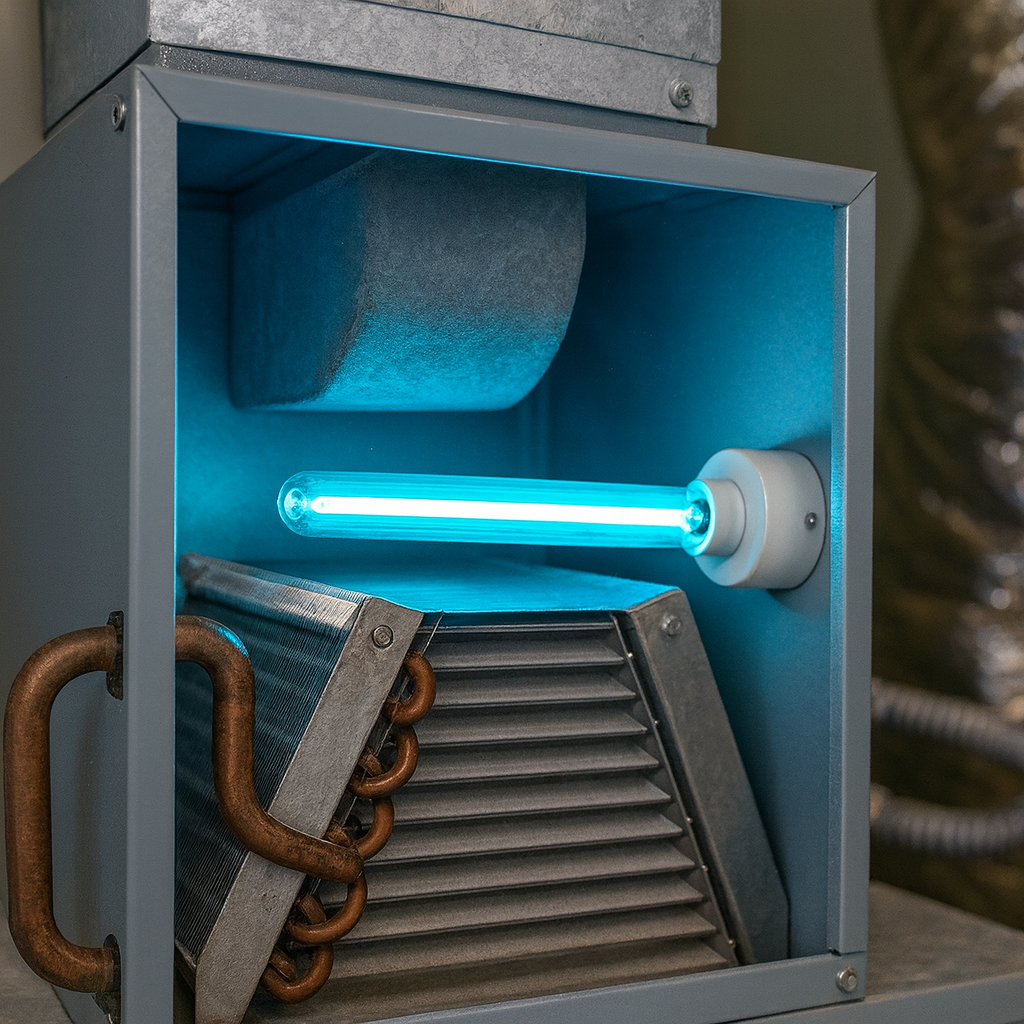
UV (ultraviolet) lamps emit short-wavelength light (UV-C) that neutralizes microorganisms by damaging their DNA or RNA. When installed inside your HVAC system, they continuously disinfect the air and surfaces where microbes tend to thrive.
There are two main types of UV light systems used in ducted HVAC setups:
- Coil Sanitizing Lights – Mounted near the evaporator coil to keep it free from mold, mildew, and biofilm buildup caused by condensation.
- Air Sanitizing Lights – Installed in the return or supply ducts to treat moving air, killing airborne microbes before they circulate throughout your home.
Key Indoor Air Quality Benefits from UV Lights
- Reduce Airborne Germs and Bacteria
UV lights destroy microorganisms that traditional filters may not capture—such as mold spores, viruses, and bacteria that circulate in your home’s air. - Improve Air Freshness
By preventing mold and mildew growth on your system’s coils, UV lights help eliminate musty odors that can linger in your ducts. - Enhance System Efficiency
A cleaner coil transfers heat more effectively, which helps your HVAC system operate efficiently and extends its lifespan. - Create a Cleaner, Healthier Home Environment
When combined with a high-efficiency HVAC filter or a whole-home air purifier, UV lighting creates a multi-layered defense against airborne pollutants and microbes.
What UV Lights Don’t Do
While UV lights are highly effective against biological contaminants, they’re not designed to remove all types of indoor pollutants.
- They don’t capture dust, pollen, or chemical fumes (VOCs). You’ll still need quality air filtration for that.
- They don’t replace routine HVAC maintenance. Clean filters, ducts, and coils are still essential.
- Their effectiveness depends on proper installation, bulb intensity, and regular maintenance.
Maintenance and Lifespan
- UV bulbs typically last 9–12 months before their output weakens and should be replaced annually for consistent performance.
- Keep bulbs clean—dust buildup reduces UV intensity and effectiveness.
- During MillTown’s annual HVAC system check, our technicians can inspect and replace UV bulbs as part of your routine maintenance service.
#5. Dust on Surfaces
Microfiber Cloths
Unlike cotton, microfiber holds onto dust instead of spreading it around. Use damp microfiber cloths for tables, electronics, and small surfaces.
- How Often: Weekly in high-use spaces, daily if you have pets or small children.
Microfiber Dusters
Skip feather dusters since they just move dust around. Use microfiber dusters with static charge to pull particles off surfaces.
- Great For: Ceiling fans, blinds, electronics, shelves.
- How Often: Weekly for surfaces, monthly for high spots.
- Extendable Handles: Ideal for tops of bookshelves or vents.
Furniture Spray or Not?
While sprays and polishes make surfaces shine, they may introduce unnecessary chemicals. A damp microfiber cloth often does the same job. The safer choice is to look for sprays certified by safe-ingredient programs, or just avoid them altogether.
#6. Dust’s Sneakiest Hiding Spots
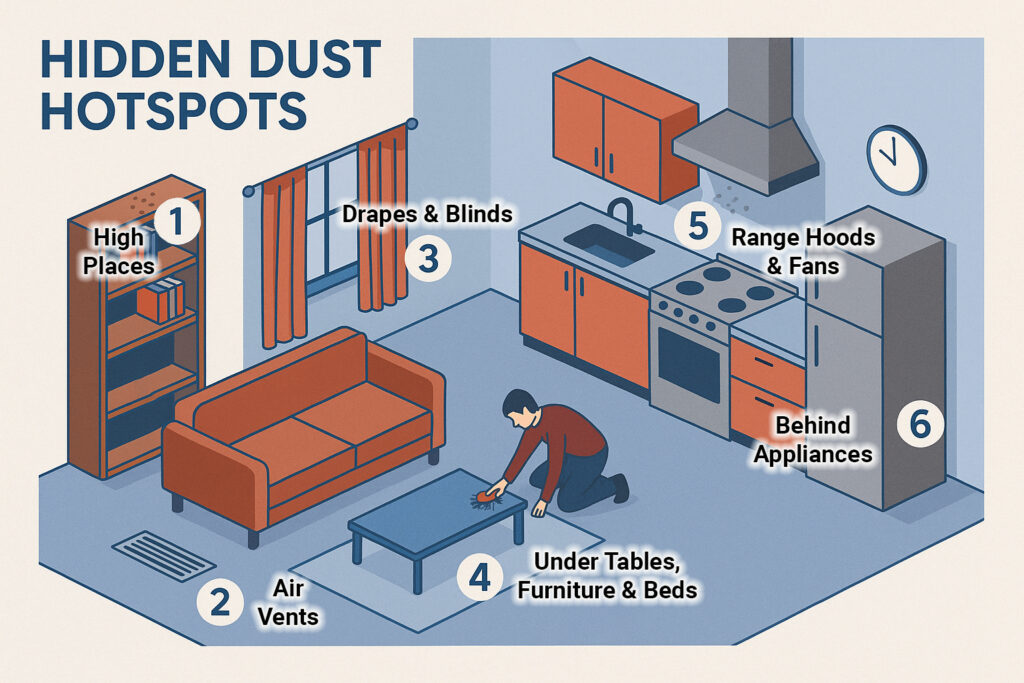
Dust builds up in places you rarely think to clean. Here’s where to look and how to handle it:
- High Places: Tops of doors, windows, bookshelves, frames. Clean with a damp microfiber towel or extension duster.
- Air Vents: Close slats, wipe with a damp cloth, flip, and repeat. Wash in a tub for deep cleans.
- Drapes & Blinds: Vacuum with a hose, adjusting suction for delicate fabrics.
- Under Furniture & Beds: Use a microfiber mop or extendable duster for low-clearance areas.
- Range Hoods & Fans: Degreaser spray keeps sticky dust under control.
- Behind Appliances: Sneak a vacuum hose or slim duster under refrigerators, washers, and dryers.
How MillTown Helps Homeowners Take Control
At MillTown Plumbing, Heating, Cooling & Electrical, we know indoor air quality isn’t just about comfort—it’s about health and safety.
Here’s how we help Middlesex County families breathe easier:
- Professional HVAC system checks keep your system clean and maximizes efficiency.
- Filter recommendations and replacements ensure you always have the right filters for your home HVAC system.
- Humidity and air quality solutions, including whole-home dehumidifiers, humidifiers, and advanced air filtration will improve your indoor air quality.
Key Takeaways for Homeowners
- Every season impacts indoor air differently — winter traps pollutants, spring brings pollen, summer adds humidity, and fall stirs up dust.
- HVAC maintenance matters: Regular filter changes, clean coils, and annual inspections all protect your system and your air.
- Whole-home IAQ solutions work best: Air purifiers, UV lights, and dehumidifiers create layered protection against dust, allergens, and microbes.
- Cleaner air means a healthier home: Improve your comfort, protect your family, and help your HVAC system run more efficiently all year long.
Frequently Asked Questions About Massachusetts Indoor Air Quality
1. What causes poor indoor air quality in New England homes?
New England homes aren’t typically built for ventilation. Over time, dust, pet dander, pollen, cooking fumes, and cleaning chemicals build up indoors. Seasonal changes add to the problem: winter traps pollutants inside, while spring and summer humidity increase mold and dust mite activity. The result? Air that feels stale, stuffy, or even triggers allergies.
2. How can I improve indoor air quality in my home?
Improving air quality starts with a combination of filtration, purification, and humidity control.
- Replace or upgrade to a high-MERV HVAC filter (MERV 8–13 is ideal for most homes).
- Add a whole-home air purifier and UV light to your HVAC system for extra protection against allergens and bacteria.
- Use a dehumidifier to make sure vents and ducts stay clean.
Together, these upgrades help you breathe cleaner, healthier air all year long.
3. What does MERV mean on an air filter?
MERV stands for Minimum Efficiency Reporting Value, a rating system that measures how effectively an HVAC filter traps airborne particles.
- MERV 1–4: Basic filters; catch only large debris like lint.
- MERV 5–8: Good for everyday dust, pollen, and mold.
- MERV 9–13: Captures smaller particles like smoke, bacteria, and fine dust—ideal for allergy or asthma sufferers.
Higher MERV means finer filtration, but your system must be compatible. MillTown technicians can recommend the best filter for your system’s design.
4. Are UV lights worth installing in my HVAC system?
Yes—UV lights are one of the most effective upgrades for improving indoor air quality in homes with ductwork. They don’t replace filters, but they complement them by targeting biological contaminants like mold, bacteria, and viruses.
Installed near the evaporator coil or inside your air ducts, UV-C lamps help keep your system clean and prevent musty odors from developing inside your ductwork.
5. Can a dehumidifier really help with dust and allergies?
Absolutely. Dust mites and mold both thrive in humidity above 50%. By keeping your indoor humidity between 40–50%, a dehumidifier helps stop their growth—and reduces allergy flare-ups in the process. Whole-home dehumidifiers connect directly to your HVAC system for complete coverage, while standalone units are good for basements or older homes without ductwork.
6. How often should I change my HVAC filter?
Most standard filters should be replaced every 90 days, or more often if you have pets, allergies, or live in a high-dust area. Some premium pleated filters can last up to 12 months, but they should still be checked monthly during peak heating and cooling seasons. A clean filter improves air quality, efficiency, and system longevity—saving you money on energy bills and repairs.
7. What’s the difference between a portable air purifier and a whole-home system?
- Portable air purifiers clean the air in individual rooms. They’re great for bedrooms, offices, or smaller spaces.
- Whole-home purifiers, on the other hand, are installed directly into your HVAC system and clean every cubic foot of air circulating through your ductwork. They’re quieter, more efficient, and require less maintenance long-term.
8. How can MillTown help improve my home’s indoor air quality?
MillTown Plumbing, Heating, Cooling & Electrical offers customized IAQ solutions for every type of home. Whether you have existing ductwork or not, we install:
- Whole-home air purifiers and UV lights for comprehensive air cleaning
- Dehumidifiers and humidifiers for year-round comfort balance
- High-MERV filter upgrades to trap more dust and allergens
Our expert technicians can assess your system, recommend the best options, and keep your equipment running efficiently through every season.
Breathe Easy with MillTown
Your home’s air may be invisible, but its impact is anything but. From dust and pollen to mold spores and chemical particles, what floats in your air can affect your comfort, your health, and even how efficiently your HVAC system runs.
Cleaner air starts with better protection. Whether you’re battling dust, allergies, or musty humidity, MillTown can help you create a healthier home environment—one that feels fresher, safer, and more comfortable all year long.
Contact MillTown Plumbing, Heating, Cooling & Electrical today to schedule your indoor air quality consultation and make your whole home happy.
Recent News
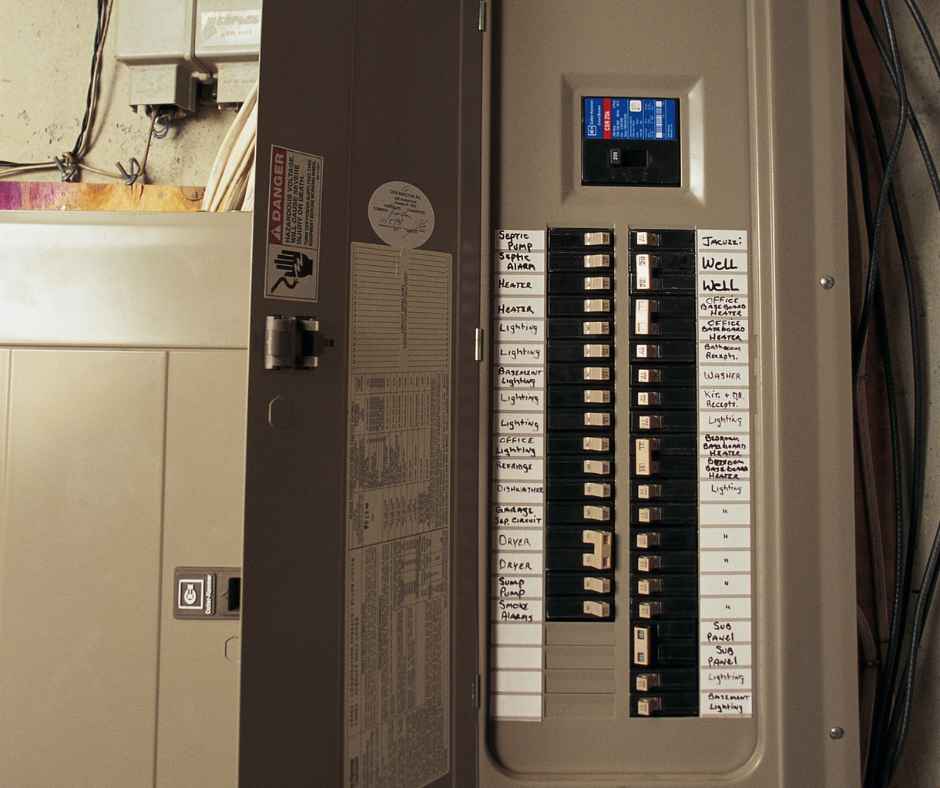
Old Wiring vs. Modern Loads: When Does a Panel Upgrade Become a Safety Necessity in Middlesex County?
A panel upgrade becomes a safety necessity when an older Middlesex County home experiences frequent breaker trips, flickering lights, warm
A panel upgrade becomes a safety necessity when an older Middlesex County home experiences frequent breaker trips, flickering lights, warm
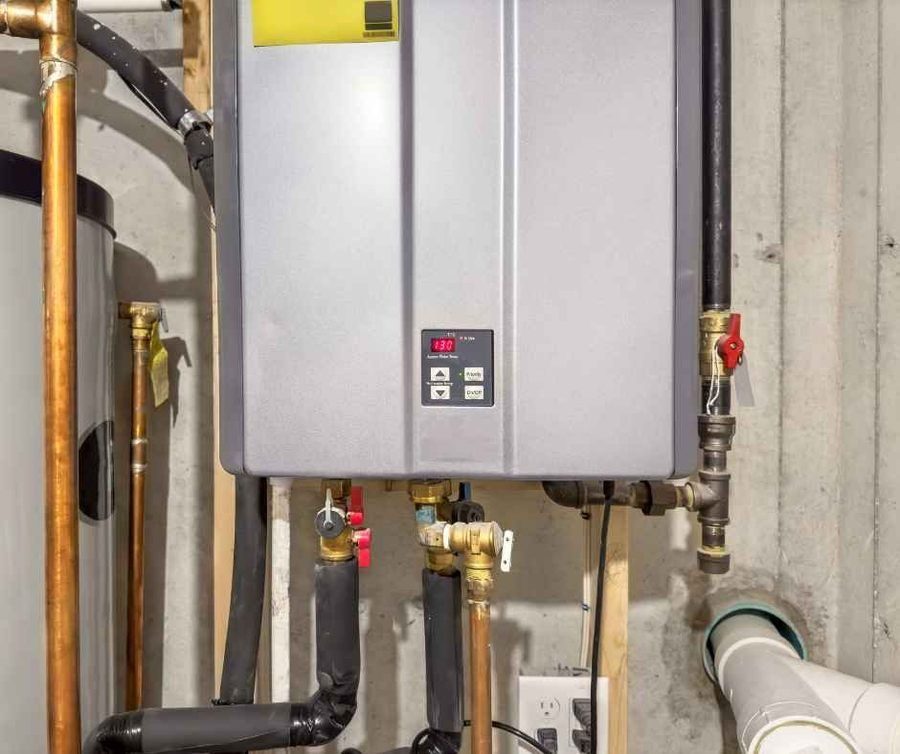
Hard Water & Tankless Systems: Why Massachusetts Mineral Buildup is Your Water Heater’s Worst Enemy
Tankless water heaters can be highly efficient, but mineral buildup can quietly reduce that performance over time. In Massachusetts homes,
Tankless water heaters can be highly efficient, but mineral buildup can quietly reduce that performance over time. In Massachusetts homes,
The Cost of Inefficiency: A Deep Dive Into SEER2 Ratings for Massachusetts Homeowners
SEER2 ratings matter because they show how efficiently an air conditioner or heat pump cools your home under updated testing
SEER2 ratings matter because they show how efficiently an air conditioner or heat pump cools your home under updated testing
How to Prepare Your Heating System for a Sudden New England Cold Snap
In New England, the weather can shift from a mild afternoon to a bone-chilling freeze in a matter of hours.
In New England, the weather can shift from a mild afternoon to a bone-chilling freeze in a matter of hours.
How to Lower Heating Bills Without Sacrificing Comfort in Massachusetts Homes
Surviving a Massachusetts winter requires more than just a heavy coat and a snow shovel. For homeowners across the state,
Surviving a Massachusetts winter requires more than just a heavy coat and a snow shovel. For homeowners across the state,
25 Plumbing Tips Every Massachusetts Homeowner Should Know
Keep your water flowing smoothly with advice from the experts at MillTown Plumbing, Heating, Cooling & Electrical When it comes
Keep your water flowing smoothly with advice from the experts at MillTown Plumbing, Heating, Cooling & Electrical When it comes
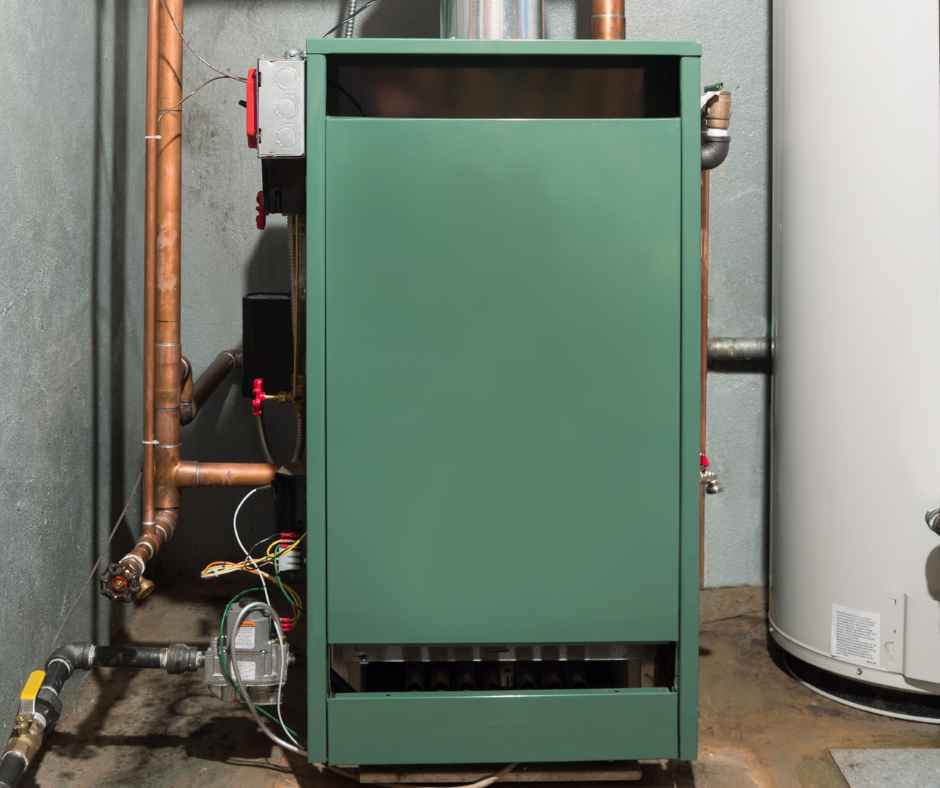
Common Winter HVAC Issues in Massachusetts Homes and When to Call for Service
Massachusetts winters bring freezing temperatures, heavy snowfall, and extended periods of cold weather that place constant strain on home heating
Massachusetts winters bring freezing temperatures, heavy snowfall, and extended periods of cold weather that place constant strain on home heating
Areas In Mass We Service
Acton, MA
Andover, MA
Arlington, MA
Ayer, MA
Bedford, MA
Berlin, MA
Billerica, MA
Bolton, MA
Boxborough, MA
Burlington, MA
Carlisle, MA
Chelmsford, MA
Clinton, MA
Concord, MA
Devens, MA
Dracut, MA
Dunstable, MA
Fitchburg, MA
Georgetown, MA
Groton, MA
Groveland, MA
Harvard, MA
Haverhill, MA
Hudson, MA
Lancaster, MA
Lawrence, MA
Leominster, MA
Lexington, MA
Lincoln, MA
Littleton, MA
Lowell, MA
Lunenburg, MA
Marlborough, MA
Maynard, MA
Methuen, MA
North Andover, MA
North Billerica, MA
North Chelmsford, MA
North Reading, MA
Pepperell, MA
Reading, MA
Shirley, MA
Stoneham, MA
Stow, MA
Sudbury, MA
Tewksbury, MA
Townsend, MA
Tyngsborough, MA
Wakefield, MA
Waltham, MA
Wayland, MA
West Groton, MA
Westford, MA
Weston, MA
Wilmington, MA
Woburn, MA
