★ Locally Trusted With 3193+ 5-Star Reviews ★

Back to Blog
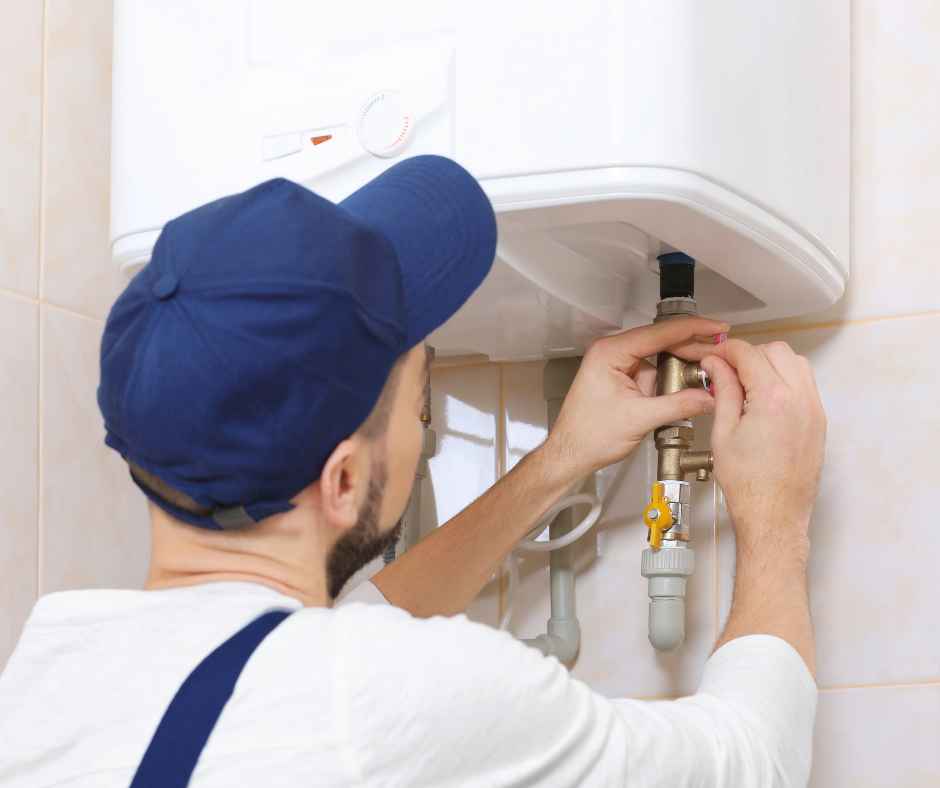
How Massachusetts Homeowners Can Prevent Water Heater Breakdowns This Winter
Winter in Massachusetts can be unforgiving, especially when your water heater isn’t ready for the season. A sudden breakdown can mean more than just a cold shower. It can lead to water damage, higher utility costs, and costly emergency repairs. The good news is that most winter water heater problems can be prevented with a few proactive steps.
As temperatures drop, your water heater works harder to warm colder incoming water. This added strain, combined with increased demand for hot showers, laundry, and dishwashing, makes winter the most common time for water heater failures.
In this blog, we’ll explain why water heaters struggle in cold weather, how to spot early warning signs, and what maintenance steps Massachusetts homeowners can take to avoid breakdowns before winter hits.
Why Winter Puts Extra Stress on Water Heaters
Massachusetts winters bring freezing temperatures that can take a real toll on home plumbing systems. Your water heater works harder during this time of year, which increases wear and the risk of failure. Understanding what causes this extra strain helps homeowners take steps to protect their systems before problems start.
- Colder Incoming Water: When outdoor temperatures drop, the water entering your home is much colder. Your water heater must use more energy to warm it to your desired temperature, which puts added pressure on heating elements or burners.
- Increased Hot Water Demand: Families tend to use more hot water in winter for showers, laundry, and dishes. The constant cycling between heating and refilling the tank can push older systems to their limits.
- Sediment Buildup: Over time, minerals from hard water settle at the bottom of the tank. In winter, when the heater runs more often, that buildup can insulate the water from the heating element, making the system less efficient and more likely to overheat.
- Aging Systems: Water heaters typically last 8 to 12 years. Older units may struggle to maintain performance during high-demand months, especially if regular maintenance has been overlooked.
Common Signs Your Water Heater Is Struggling
Before your water heater fails completely, it often gives off warning signs. Catching these early can help Massachusetts homeowners avoid cold showers and costly repairs later in the season.
- Inconsistent Water Temperature: If your water fluctuates between hot and lukewarm, your heating elements or thermostat may be wearing out.
- Unusual Noises: Rumbling, popping, or banging sounds usually indicate sediment buildup at the bottom of the tank. This buildup causes the unit to overheat and use more energy.
- Rusty or Cloudy Water: Discolored water often signals corrosion inside the tank or failing internal components. It can also mean the anode rod needs replacement.
- Leaks or Moisture Around the Tank: Even small leaks can quickly worsen in cold temperatures. Water pooling near the base of the heater is a clear sign you need immediate service.
- Rising Utility Bills: A sudden increase in energy costs without a change in usage could mean your water heater is losing efficiency and working harder to meet demand.
Recognizing these signs early helps prevent unexpected breakdowns and extends the lifespan of your system.
Preventive Maintenance Tips for Winter Reliability
Preventive care is the key to avoiding mid-winter water heater breakdowns. A few simple steps can help your system run efficiently, use less energy, and provide consistent hot water all season long.
- Flush the Tank: Drain a few gallons from your water heater at least once a year to remove sediment buildup. This improves heating efficiency and prevents overheating.
- Insulate the Tank and Pipes: Wrap your water heater and exposed hot water lines with insulation to reduce heat loss. This helps the system warm water faster and saves energy during cold months.
- Check the Anode Rod: The anode rod protects the tank from corrosion. Inspect it annually and replace it if it’s heavily corroded or worn down.
- Test the Pressure Relief Valve: Lift the lever on the valve to ensure it releases water and reseats properly. This keeps internal pressure stable and prevents tank damage.
- Lower the Temperature Setting: Keep your thermostat at about 120°F. This prevents overheating, reduces energy costs, and minimizes the risk of scalding.
- Schedule a Professional Inspection: Have a licensed technician inspect your system before winter. They can catch early issues, ensure safety components are working, and extend your water heater’s lifespan.
These simple steps go a long way toward keeping your water heater efficient, safe, and reliable through Massachusetts winters.
Benefits of Regular Water Heater Maintenance
Routine water heater maintenance does more than prevent breakdowns. It helps your water heater perform efficiently, saves money, and provides peace of mind through the toughest New England weather.
- Improved Efficiency: Removing sediment, checking components, and maintaining proper temperature settings allows your system to heat water faster while using less energy.
- Lower Energy Bills: A well-maintained water heater doesn’t have to work as hard, which keeps monthly utility costs under control even during high-demand winter months.
- Extended Lifespan: Regular tune-ups prevent small issues from turning into major problems, helping your water heater last several years longer.
- Fewer Emergencies: Preventive maintenance reduces the chances of sudden leaks or failures that can leave your family without hot water in freezing weather.
- Better Water Quality: Replacing worn parts and flushing the tank helps prevent rust, sediment, and discoloration in your home’s hot water supply.
These benefits make routine water heater maintenance one of the smartest investments Massachusetts homeowners can make before winter sets in.
When to Consider a Water Heater Replacement
Even with regular maintenance, every water heater eventually reaches the end of its lifespan. Knowing when it’s time to replace your water heater can save you from unexpected failures and high energy costs during Massachusetts winters.
- Age of the Unit: Most traditional tank water heaters last 8 to 12 years. If yours is nearing that range, start planning for a replacement before it fails unexpectedly.
- Frequent Repairs: If you’re calling for service more than once or twice a year, a new system may be more cost-effective than ongoing repairs.
- Reduced Efficiency: Rising energy bills or slow water heating can indicate that internal parts are wearing out or coated with mineral buildup.
- Rust or Corrosion: Visible rust on the tank or discolored water means corrosion has started inside, and the tank could eventually leak or burst.
- Limited Hot Water Supply: If your household runs out of hot water faster than it used to, your tank may be undersized or losing capacity.
When it’s time for a replacement, consider upgrading to an energy-efficient or tankless water heater. Tankless models provide hot water on demand, reduce energy use, and work well for Massachusetts homeowners looking for long-term savings.
MillTown Plumbing, Heating, Cooling & Electrical offers expert installation and financing options for both traditional and tankless systems. Our licensed technicians can help you choose the best water heater for your home’s size, efficiency needs, and budget.
Keep Your Hot Water Flowing All Winter with MillTown Plumbing
Massachusetts winters are tough enough without losing hot water when you need it most. A little preventive maintenance now can save you from major repairs and cold showers later. Regular service keeps your system efficient, extends its lifespan, and ensures your family stays comfortable through the coldest months.
Whether you need a seasonal tune-up, emergency repair, or full system replacement, MillTown Plumbing, Heating, Cooling & Electrical is ready to help. Our licensed professionals provide fast, reliable service backed by decades of experience and a commitment to your comfort.
Contact us today to schedule your water heater inspection and make sure your home is ready for winter.
Frequently Asked Questions About Water Heater Maintenance
How often should I flush my water heater in Massachusetts?
Once a year is recommended for most homes. Flushing helps remove sediment buildup that reduces efficiency and can cause overheating or noise.
Can cold weather actually damage my water heater?
Yes. Extremely low temperatures can make your unit work harder, and if the surrounding area isn’t insulated, parts of the system can freeze or crack.
What temperature should I set my water heater to in winter?
Keep the thermostat around 120°F. This setting is hot enough for daily use while preventing overheating, scalding, and unnecessary energy waste.
Is a tankless water heater better for Massachusetts winters?
Tankless systems perform very well if properly sized and installed. They offer endless hot water and high energy efficiency, but homes with heavy simultaneous usage may need upgraded gas or electrical capacity.
When should I call a plumber for a water heater issue?
Call a professional if you notice leaks, strange noises, rust-colored water, or inconsistent temperatures. Early service helps prevent full breakdowns and water damage.
Recent News
Old Wiring vs. Modern Loads: When Does a Panel Upgrade Become a Safety Necessity in Middlesex County?
A panel upgrade becomes a safety necessity when an older Middlesex County home experiences frequent breaker trips, flickering lights, warm
A panel upgrade becomes a safety necessity when an older Middlesex County home experiences frequent breaker trips, flickering lights, warm
Hard Water & Tankless Systems: Why Massachusetts Mineral Buildup is Your Water Heater’s Worst Enemy
Tankless water heaters can be highly efficient, but mineral buildup can quietly reduce that performance over time. In Massachusetts homes,
Tankless water heaters can be highly efficient, but mineral buildup can quietly reduce that performance over time. In Massachusetts homes,
The Cost of Inefficiency: A Deep Dive Into SEER2 Ratings for Massachusetts Homeowners
SEER2 ratings matter because they show how efficiently an air conditioner or heat pump cools your home under updated testing
SEER2 ratings matter because they show how efficiently an air conditioner or heat pump cools your home under updated testing
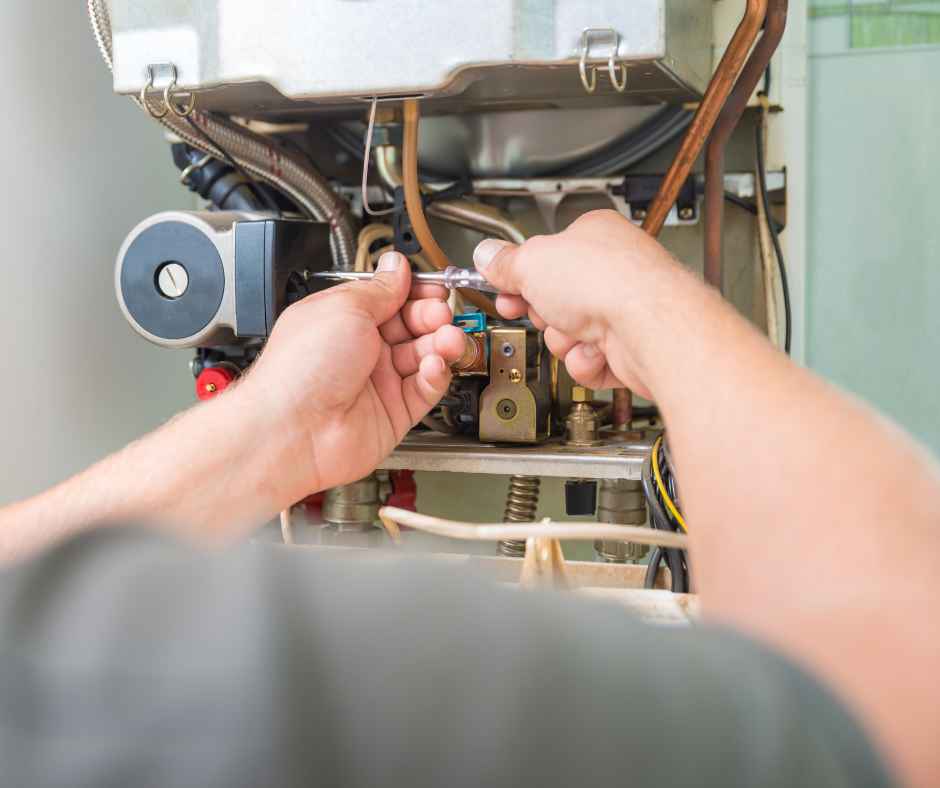
How to Prepare Your Heating System for a Sudden New England Cold Snap
In New England, the weather can shift from a mild afternoon to a bone-chilling freeze in a matter of hours.
In New England, the weather can shift from a mild afternoon to a bone-chilling freeze in a matter of hours.
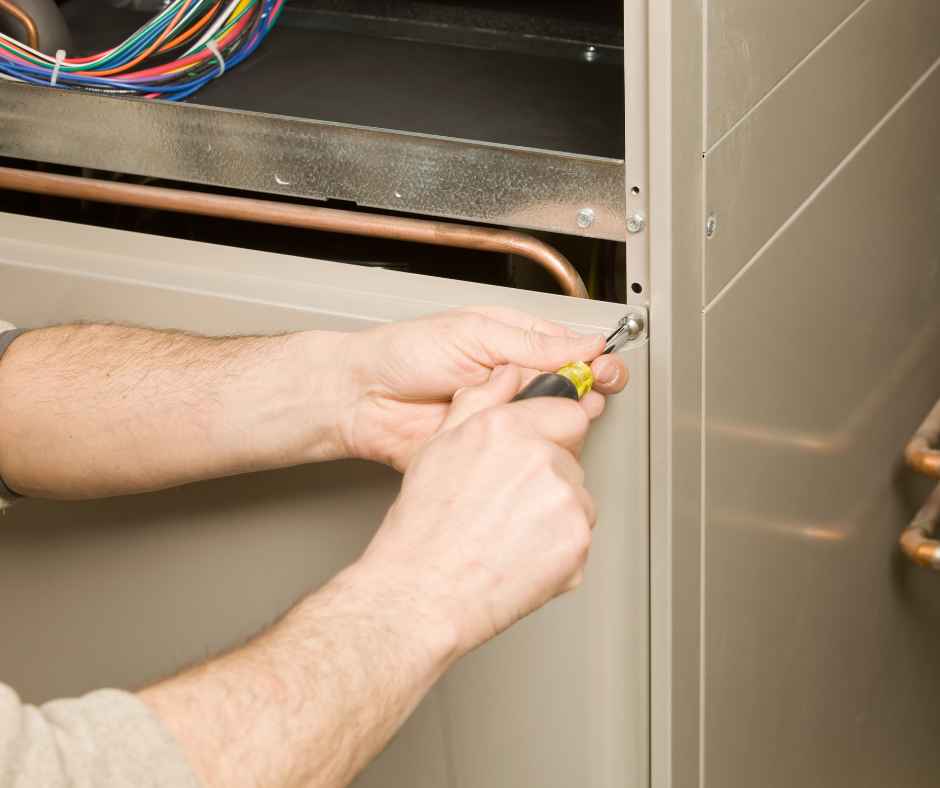
How to Lower Heating Bills Without Sacrificing Comfort in Massachusetts Homes
Surviving a Massachusetts winter requires more than just a heavy coat and a snow shovel. For homeowners across the state,
Surviving a Massachusetts winter requires more than just a heavy coat and a snow shovel. For homeowners across the state,

25 Plumbing Tips Every Massachusetts Homeowner Should Know
Keep your water flowing smoothly with advice from the experts at MillTown Plumbing, Heating, Cooling & Electrical When it comes
Keep your water flowing smoothly with advice from the experts at MillTown Plumbing, Heating, Cooling & Electrical When it comes
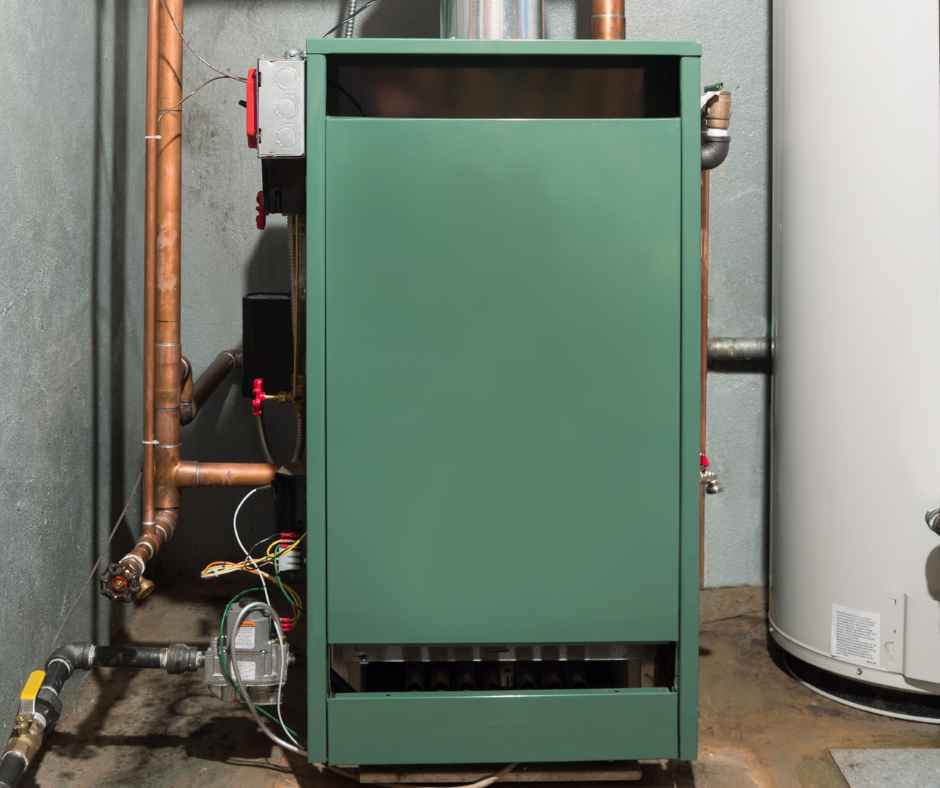
Common Winter HVAC Issues in Massachusetts Homes and When to Call for Service
Massachusetts winters bring freezing temperatures, heavy snowfall, and extended periods of cold weather that place constant strain on home heating
Massachusetts winters bring freezing temperatures, heavy snowfall, and extended periods of cold weather that place constant strain on home heating
Areas In Mass We Service
Acton, MA
Andover, MA
Arlington, MA
Ayer, MA
Bedford, MA
Berlin, MA
Billerica, MA
Bolton, MA
Boxborough, MA
Burlington, MA
Carlisle, MA
Chelmsford, MA
Clinton, MA
Concord, MA
Devens, MA
Dracut, MA
Dunstable, MA
Fitchburg, MA
Georgetown, MA
Groton, MA
Groveland, MA
Harvard, MA
Haverhill, MA
Hudson, MA
Lancaster, MA
Lawrence, MA
Leominster, MA
Lexington, MA
Lincoln, MA
Littleton, MA
Lowell, MA
Lunenburg, MA
Marlborough, MA
Maynard, MA
Methuen, MA
North Andover, MA
North Billerica, MA
North Chelmsford, MA
North Reading, MA
Pepperell, MA
Reading, MA
Shirley, MA
Stoneham, MA
Stow, MA
Sudbury, MA
Tewksbury, MA
Townsend, MA
Tyngsborough, MA
Wakefield, MA
Waltham, MA
Wayland, MA
West Groton, MA
Westford, MA
Weston, MA
Wilmington, MA
Woburn, MA
