★ Locally Trusted With 3175+ 5-Star Reviews ★

Back to Blog

8 Most Common Electrical Code Violations
Many confident homeowners attempt DIY electrical projects, thinking it can’t be too difficult to install wiring into outlets and breaker boxes. While they may succeed in powering their home, the jubilation of “I did it all by myself!” often falls short when faced with consequences like unsafe wiring, reduced property resale value, and failure to pass electrical safety inspections.
What is the National Electrical Code?
A crucial part of national fire codes, the NEC is a comprehensive book of electrical installation and renovation safety standards established by the National Fire Protection Agency. Although not mandated by regional laws in the U.S., the NEC has been adopted by over 98 percent of U.S. areas. Every three years, the NFPA publishes detailed electrical safety codes covering both indoor and outdoor practices and standards. The NEC serves as a reference guide for professional electricians, addressing topics such as conductors, wiring, cables, and voltages.
8 Common Electrical Code Violations Every Homeowner Should Know
1. Installing the Wrong Circuit Breaker or Failing to Install Circuit Breakers
Circuit breaker boxes contain switches that “trip” or shut off to stop the flow of electricity in specific parts of a home if the electrical current exceeds preset limits. When tripped, the circuit breaker needs to be manually reset. Some breakers reset automatically. Neglecting to install the correct circuit breaker, or none at all, is not only an electrical code violation but significantly increases the risk of a fire.
2. Switch Locations Lack Neutral Wires
Most automated light switches require a neutral wire. Without it, you are limited to incandescent lighting. Homes with fluorescent, LED, and other light devices under 20w must use a neutral wire to comply with electrical codes. A neutral wire completes the 120-volt AC circuit by providing a safe pathway back to an electrical panel, where it connects and bonds to the ground to prevent accidental electrocution.
3. Neglecting to Install Tamper Resistant Receptacles
The 2014 edition of the NEC requires all new or renovated homes to install tamper-resistant receptacles with spring-loaded coverings. These coverings protect contact slots. Inserting a plug compresses both springs, opening the shutters to allow the plug’s metal prongs. Since two springs need to be compressed simultaneously, a child inserting an object into one opening won’t cause electricity to flow. Even without children, your home must have tamper-resistant receptacles.
4. Not Installing Enough Receptacles
The National Fire Protection Association estimates that nearly 50,000 dwelling fires annually in the U.S. result from overloading electrical systems that lack sufficient receptacles. Homeowners often rely on extension cords not designed to handle significant amounts of electricity. Signs of overloaded circuits include dimming/flickering lights, frequently tripped breakers, and mild shocks from plugging in appliances.
5. Leaving Outdoor Receptacles Uncovered
It might seem straightforward, but many building owners overlook the dangers of leaving an electrical receptacle exposed to the elements. If your home has outdoor receptacles that aren’t covered, you are violating an electrical code that could delay or reduce the value of your home sale.
6. Failing to Install Ground Fault Circuit Interrupters (GFCIs)
Ground faults occur when electricity escapes wiring, taking a shortcut to the ground. Passing through a person, ground faults can cause lethal electrocution. The NEC requires GFCIs in outdoor receptacles and in bathrooms, kitchens, unfinished basements, and crawl spaces of new or renovated homes.
7. Outdated Wiring in Homes Over 50 Years Old
Homes built before 1970 may violate local or regional electrical codes due to outdated wiring. Aluminum wiring, widely used in the 1970s, can be safe but may pose safety issues if connected to copper wiring. Older homes with aluminum wiring often require an inspector to ensure proper installation, a task best left to professionals.
8. Improperly Configuring Panels
DIYers frustrated by constantly tripping fuses or breakers may hastily replace them with larger capacity breakers. This is extremely dangerous and illegal, violating electrical codes. A breaker’s capacity matches load capacity and wire size. Larger breakers allow more current to flow before they trip, increasing fire risk and potential blowouts in your home’s electrical system.
Adhering to electrical codes ensures safe living, smooth operation of appliances and fixtures, savings on troubleshooting, reduced energy costs, and a higher property resale value.
Recent News
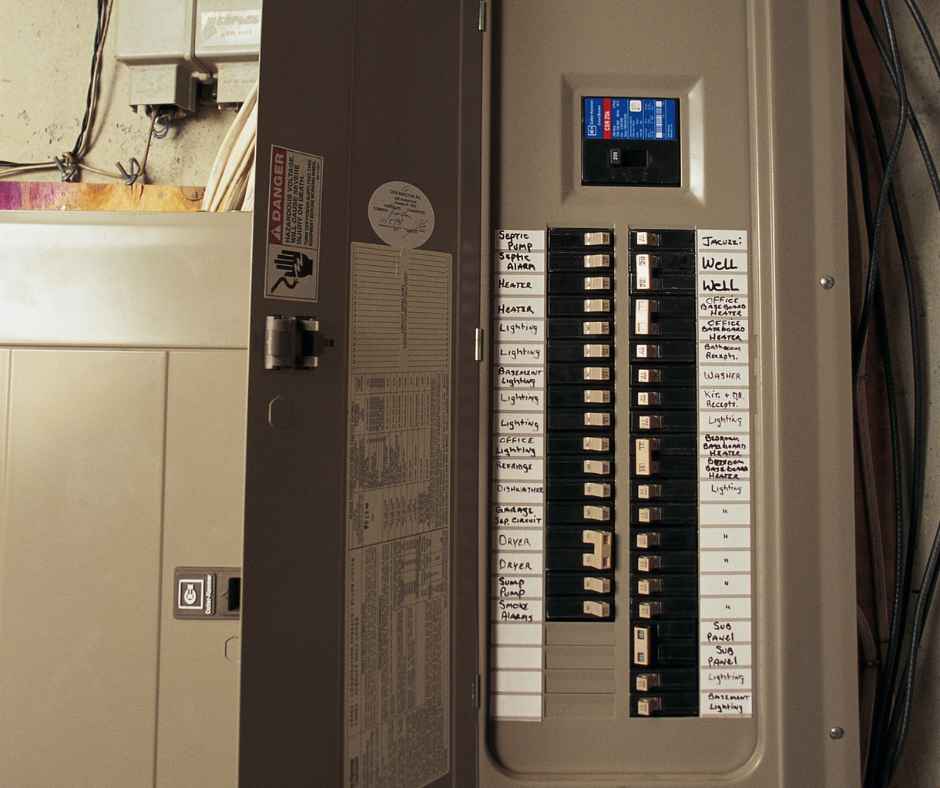
Old Wiring vs. Modern Loads: When Does a Panel Upgrade Become a Safety Necessity in Middlesex County?
A panel upgrade becomes a safety necessity when an older Middlesex County home experiences frequent breaker trips, flickering lights, warm
A panel upgrade becomes a safety necessity when an older Middlesex County home experiences frequent breaker trips, flickering lights, warm
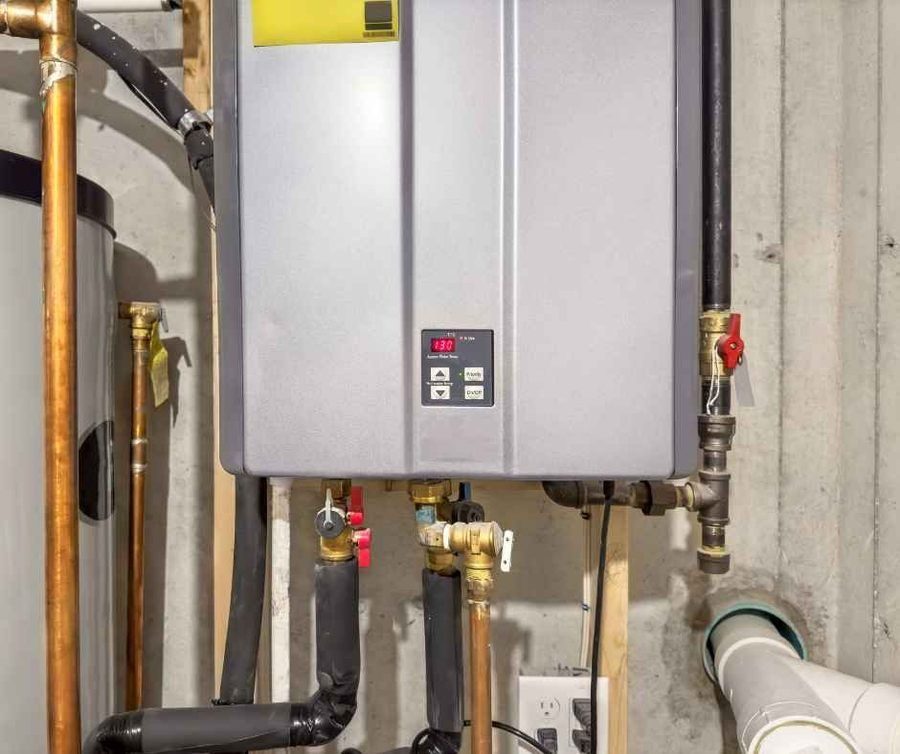
Hard Water & Tankless Systems: Why Massachusetts Mineral Buildup is Your Water Heater’s Worst Enemy
Tankless water heaters can be highly efficient, but mineral buildup can quietly reduce that performance over time. In Massachusetts homes,
Tankless water heaters can be highly efficient, but mineral buildup can quietly reduce that performance over time. In Massachusetts homes,
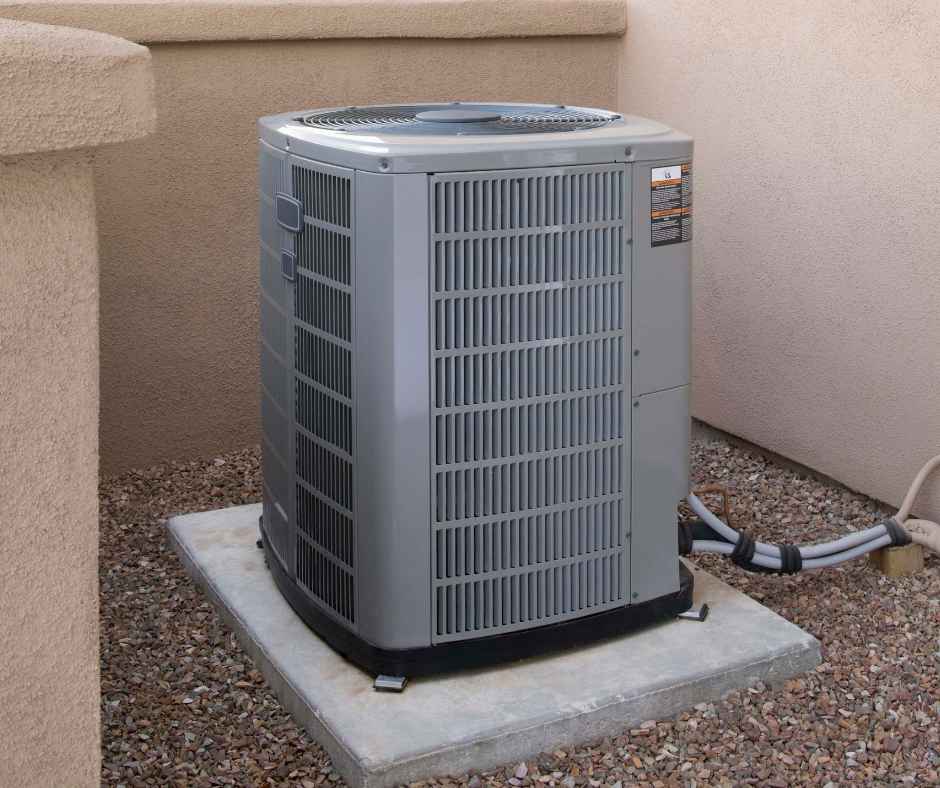
The Cost of Inefficiency: A Deep Dive Into SEER2 Ratings for Massachusetts Homeowners
SEER2 ratings matter because they show how efficiently an air conditioner or heat pump cools your home under updated testing
SEER2 ratings matter because they show how efficiently an air conditioner or heat pump cools your home under updated testing
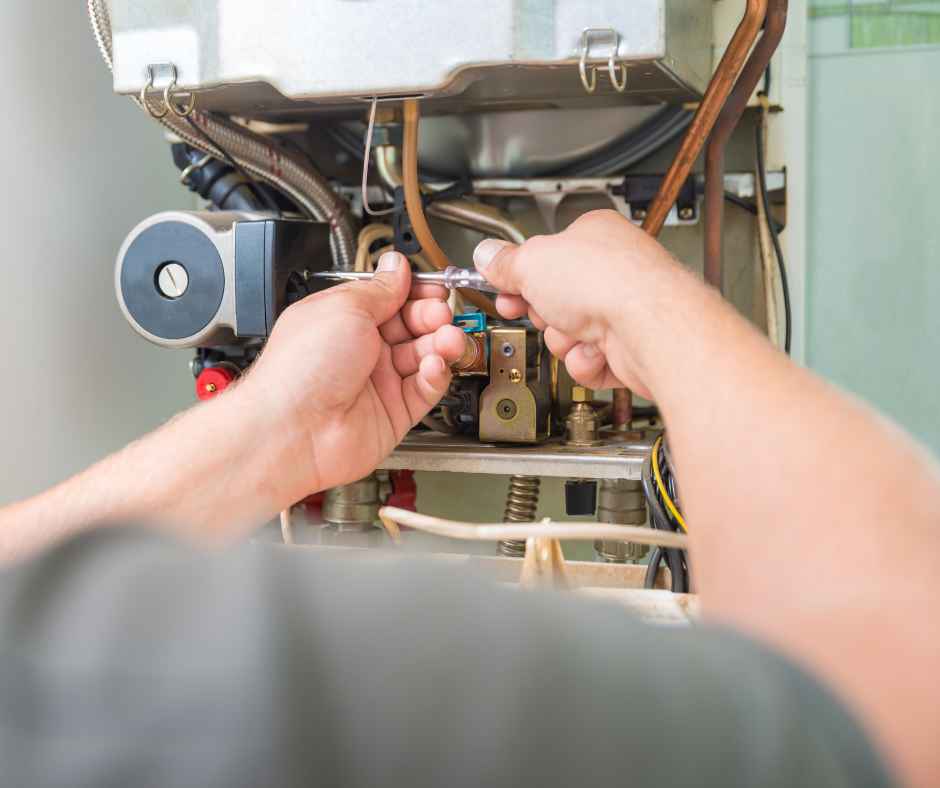
How to Prepare Your Heating System for a Sudden New England Cold Snap
In New England, the weather can shift from a mild afternoon to a bone-chilling freeze in a matter of hours.
In New England, the weather can shift from a mild afternoon to a bone-chilling freeze in a matter of hours.
How to Lower Heating Bills Without Sacrificing Comfort in Massachusetts Homes
Surviving a Massachusetts winter requires more than just a heavy coat and a snow shovel. For homeowners across the state,
Surviving a Massachusetts winter requires more than just a heavy coat and a snow shovel. For homeowners across the state,

25 Plumbing Tips Every Massachusetts Homeowner Should Know
Keep your water flowing smoothly with advice from the experts at MillTown Plumbing, Heating, Cooling & Electrical When it comes
Keep your water flowing smoothly with advice from the experts at MillTown Plumbing, Heating, Cooling & Electrical When it comes
Common Winter HVAC Issues in Massachusetts Homes and When to Call for Service
Massachusetts winters bring freezing temperatures, heavy snowfall, and extended periods of cold weather that place constant strain on home heating
Massachusetts winters bring freezing temperatures, heavy snowfall, and extended periods of cold weather that place constant strain on home heating
Areas In Mass We Service
Acton, MA
Andover, MA
Arlington, MA
Ayer, MA
Bedford, MA
Berlin, MA
Billerica, MA
Bolton, MA
Boxborough, MA
Burlington, MA
Carlisle, MA
Chelmsford, MA
Clinton, MA
Concord, MA
Devens, MA
Dracut, MA
Dunstable, MA
Fitchburg, MA
Georgetown, MA
Groton, MA
Groveland, MA
Harvard, MA
Haverhill, MA
Hudson, MA
Lancaster, MA
Lawrence, MA
Leominster, MA
Lexington, MA
Lincoln, MA
Littleton, MA
Lowell, MA
Lunenburg, MA
Marlborough, MA
Maynard, MA
Methuen, MA
North Andover, MA
North Billerica, MA
North Chelmsford, MA
North Reading, MA
Pepperell, MA
Reading, MA
Shirley, MA
Stoneham, MA
Stow, MA
Sudbury, MA
Tewksbury, MA
Townsend, MA
Tyngsborough, MA
Wakefield, MA
Waltham, MA
Wayland, MA
West Groton, MA
Westford, MA
Weston, MA
Wilmington, MA
Woburn, MA
