★ Locally Trusted With 3140+ 5-Star Reviews ★

Back to Blog
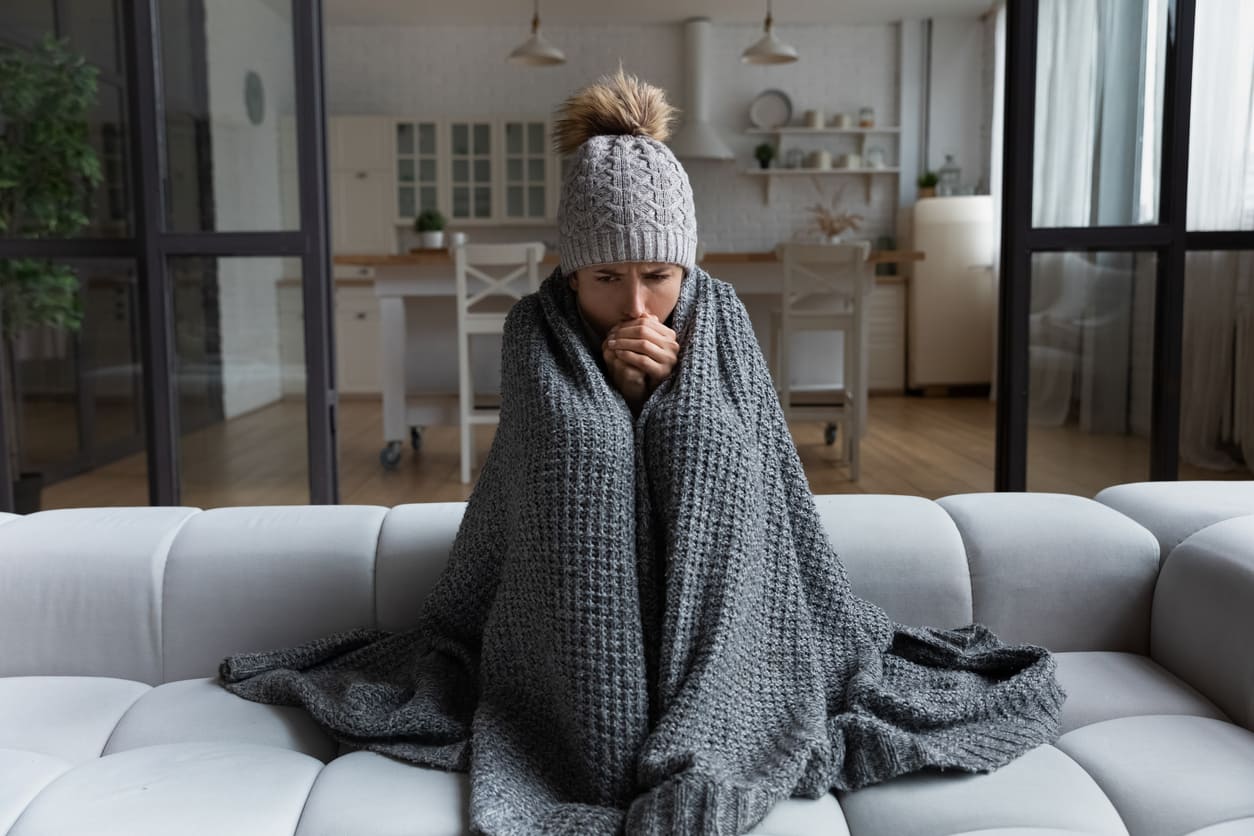
7 Reasons You Have Cold Spots in Your House
Winter temperatures are dropping, and heaters are working extra hard across New England. If your home is well-insulated, you’ll have an easier time staying warm. However, many homeowners face the issue of cold spots in their homes. These can occur in certain rooms or even within different areas of the same room. You might feel warm in one corner, but chilly just a few steps away!
Cold spots make it challenging to heat your home evenly. You may crank up the heater to warm a cold spot, but this often overheats the rest of your home. Besides the discomfort, your heating bills will skyrocket as you struggle to maintain even indoor temperatures. If you’re dealing with cold spots in your home, here are some common issues to investigate:
1. Improperly Sized Furnace
A furnace that’s too small for your home can leave some rooms cold. A furnace that can’t generate enough heat for your home’s square footage will struggle to keep you warm. Moreover, an undersized furnace works harder, costing you more. Consult an HVAC expert about replacing your furnace with an energy-efficient model suited to your home’s size.
2. Leaky Air Ducts
Leaky air ducts are a hidden issue that can cause cold spots and increase heating costs. This problem can affect you year-round, impacting both heating and cooling. During winter, you’ll notice some rooms are chilly while others are warm. Additionally, leaky air ducts can degrade indoor air quality, causing headaches, allergy symptoms, and increased illness, especially when your home is sealed tight. Fixing leaky ducts can improve comfort and health.
3. Improperly Sized Ductwork
Just like a mismatched furnace, improperly sized ductwork can lead to uneven heating. It forces your furnace to work harder, driving up energy costs and causing more wear and tear, leading to expensive repairs.
4. Lack of Zoning Capabilities
Without zoning capabilities, even a correctly sized furnace and ductwork can result in temperature fluctuations. Different areas of your home may be colder due to factors like large windows, high ceilings, or exposure. Zoning allows you to control the temperature in individual rooms, increasing it where needed and lowering it where it’s not. This customization can prevent overheating and ensure comfort throughout your home.
5. Faulty Thermostat
A malfunctioning thermostat can be a straightforward fix but is often overlooked. Ensure your thermostat is functioning correctly during your annual maintenance checkup.
6. Poor Home Insulation
Sometimes, the issue isn’t with your furnace or ducts but with your home’s insulation. Poor insulation can create cold spots, making your home uncomfortable and expensive to heat. Have an expert evaluate your home’s insulation to see if it needs upgrading. Though it may be a significant investment, improving insulation can save money in the long run.
7. Unchecked Air Leaks
Aside from insulation, air leaks are a major cause of cold spots. Common leak areas include vents, ductwork, windows, and doors. Simple fixes like placing towels in front of doors and using insulating drapes can help. However, for leaks around vents or ducts, professional help may be needed. These fixes are usually straightforward and improve overall comfort.
How do you determine the root cause of the problem? The best way is to schedule a maintenance and inspection appointment with a professional from MillTown Plumbing. Discuss your concerns and ensure your furnace is the right model and in good working order. This is also an excellent opportunity to explore your options for more extensive repairs or replacements. Addressing these issues can save you money on energy bills, keep your home comfortable during the winter, and eliminate cold spots.
Recent News
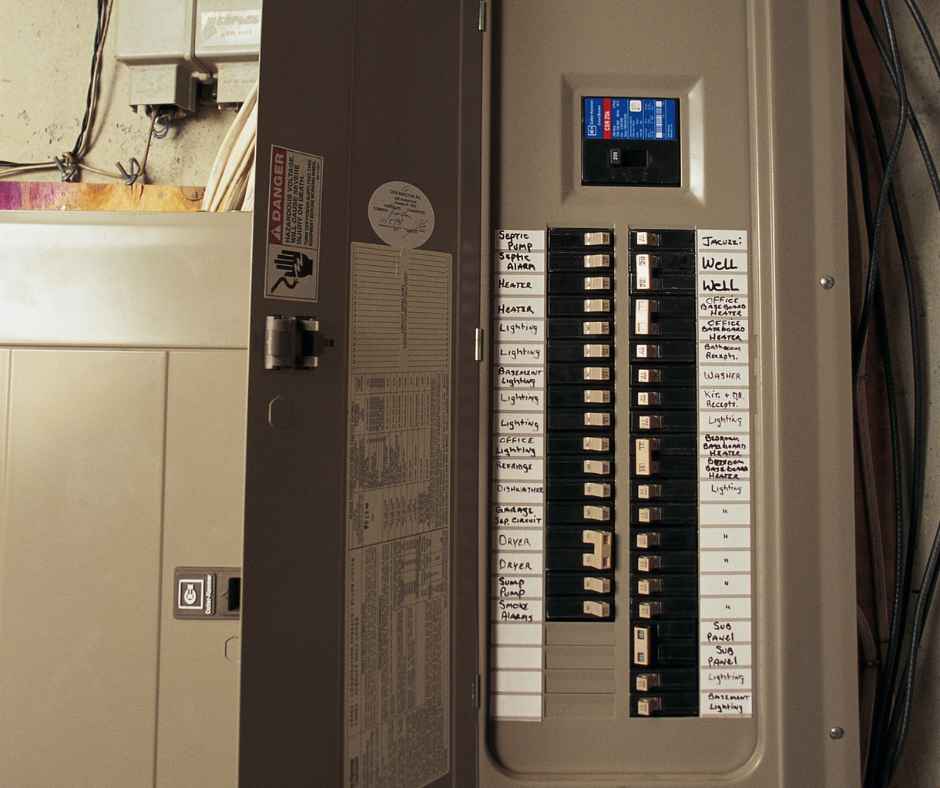
Old Wiring vs. Modern Loads: When Does a Panel Upgrade Become a Safety Necessity in Middlesex County?
A panel upgrade becomes a safety necessity when an older Middlesex County home experiences frequent breaker trips, flickering lights, warm
A panel upgrade becomes a safety necessity when an older Middlesex County home experiences frequent breaker trips, flickering lights, warm
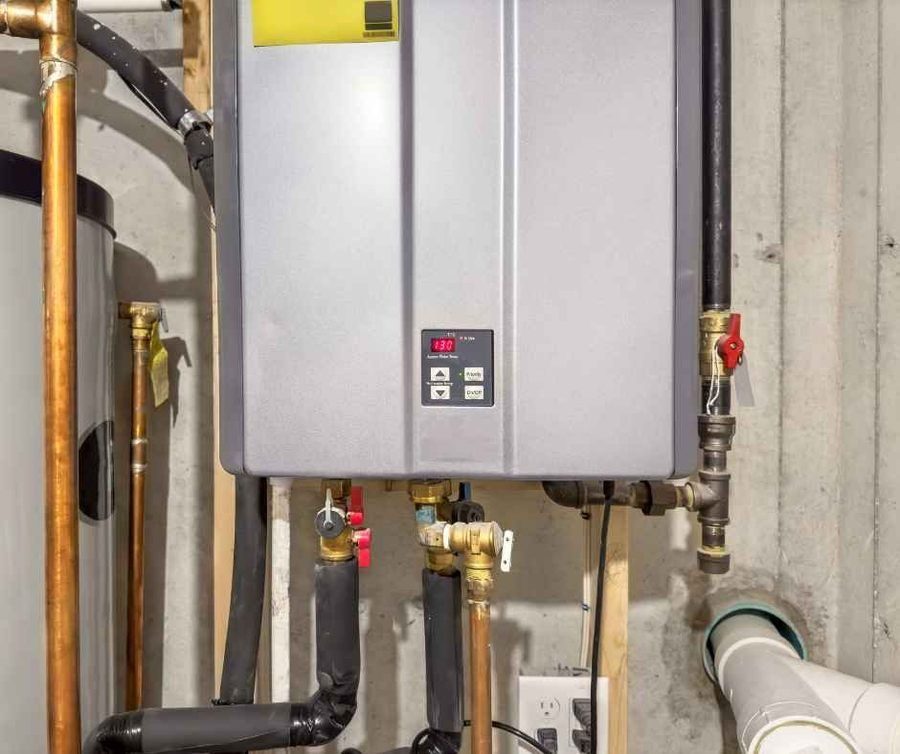
Hard Water & Tankless Systems: Why Massachusetts Mineral Buildup is Your Water Heater’s Worst Enemy
Tankless water heaters can be highly efficient, but mineral buildup can quietly reduce that performance over time. In Massachusetts homes,
Tankless water heaters can be highly efficient, but mineral buildup can quietly reduce that performance over time. In Massachusetts homes,
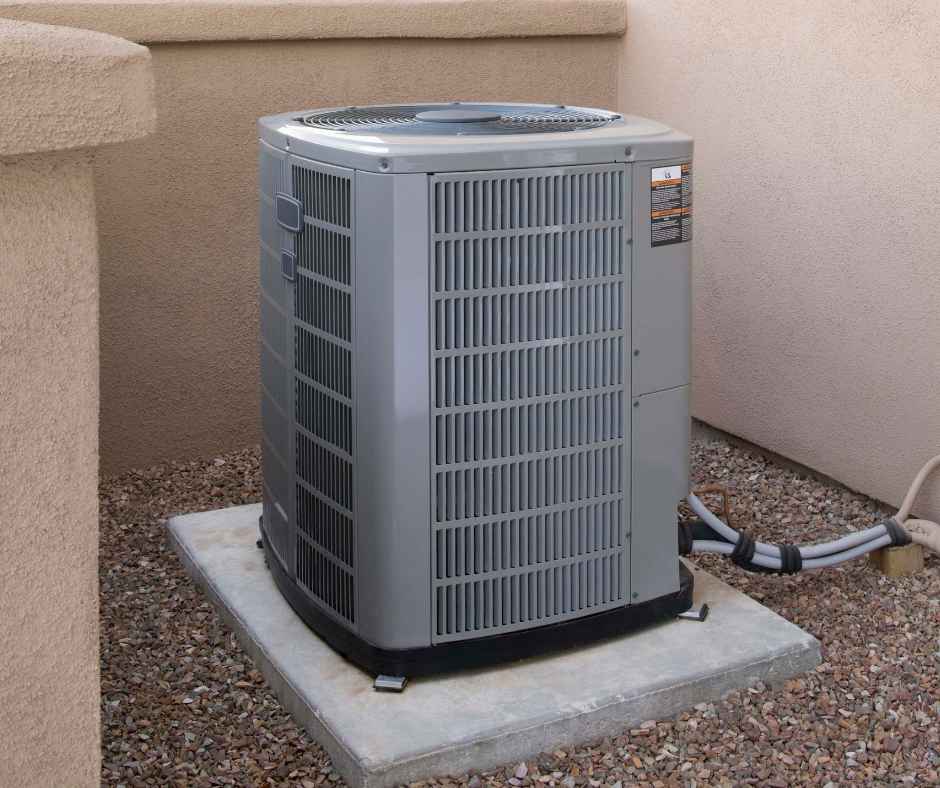
The Cost of Inefficiency: A Deep Dive Into SEER2 Ratings for Massachusetts Homeowners
SEER2 ratings matter because they show how efficiently an air conditioner or heat pump cools your home under updated testing
SEER2 ratings matter because they show how efficiently an air conditioner or heat pump cools your home under updated testing
How to Prepare Your Heating System for a Sudden New England Cold Snap
In New England, the weather can shift from a mild afternoon to a bone-chilling freeze in a matter of hours.
In New England, the weather can shift from a mild afternoon to a bone-chilling freeze in a matter of hours.
How to Lower Heating Bills Without Sacrificing Comfort in Massachusetts Homes
Surviving a Massachusetts winter requires more than just a heavy coat and a snow shovel. For homeowners across the state,
Surviving a Massachusetts winter requires more than just a heavy coat and a snow shovel. For homeowners across the state,
25 Plumbing Tips Every Massachusetts Homeowner Should Know
Keep your water flowing smoothly with advice from the experts at MillTown Plumbing, Heating, Cooling & Electrical When it comes
Keep your water flowing smoothly with advice from the experts at MillTown Plumbing, Heating, Cooling & Electrical When it comes
Common Winter HVAC Issues in Massachusetts Homes and When to Call for Service
Massachusetts winters bring freezing temperatures, heavy snowfall, and extended periods of cold weather that place constant strain on home heating
Massachusetts winters bring freezing temperatures, heavy snowfall, and extended periods of cold weather that place constant strain on home heating
Areas In Mass We Service
Acton, MA
Andover, MA
Arlington, MA
Ayer, MA
Bedford, MA
Berlin, MA
Billerica, MA
Bolton, MA
Boxborough, MA
Burlington, MA
Carlisle, MA
Chelmsford, MA
Clinton, MA
Concord, MA
Devens, MA
Dracut, MA
Dunstable, MA
Fitchburg, MA
Georgetown, MA
Groton, MA
Groveland, MA
Harvard, MA
Haverhill, MA
Hudson, MA
Lancaster, MA
Lawrence, MA
Leominster, MA
Lexington, MA
Lincoln, MA
Littleton, MA
Lowell, MA
Lunenburg, MA
Marlborough, MA
Maynard, MA
Methuen, MA
North Andover, MA
North Billerica, MA
North Chelmsford, MA
North Reading, MA
Pepperell, MA
Reading, MA
Shirley, MA
Stoneham, MA
Stow, MA
Sudbury, MA
Tewksbury, MA
Townsend, MA
Tyngsborough, MA
Wakefield, MA
Waltham, MA
Wayland, MA
West Groton, MA
Westford, MA
Weston, MA
Wilmington, MA
Woburn, MA
