★ Locally Trusted With 3175+ 5-Star Reviews ★

Back to Blog
When Should You Upgrade Your Electrical Panel?
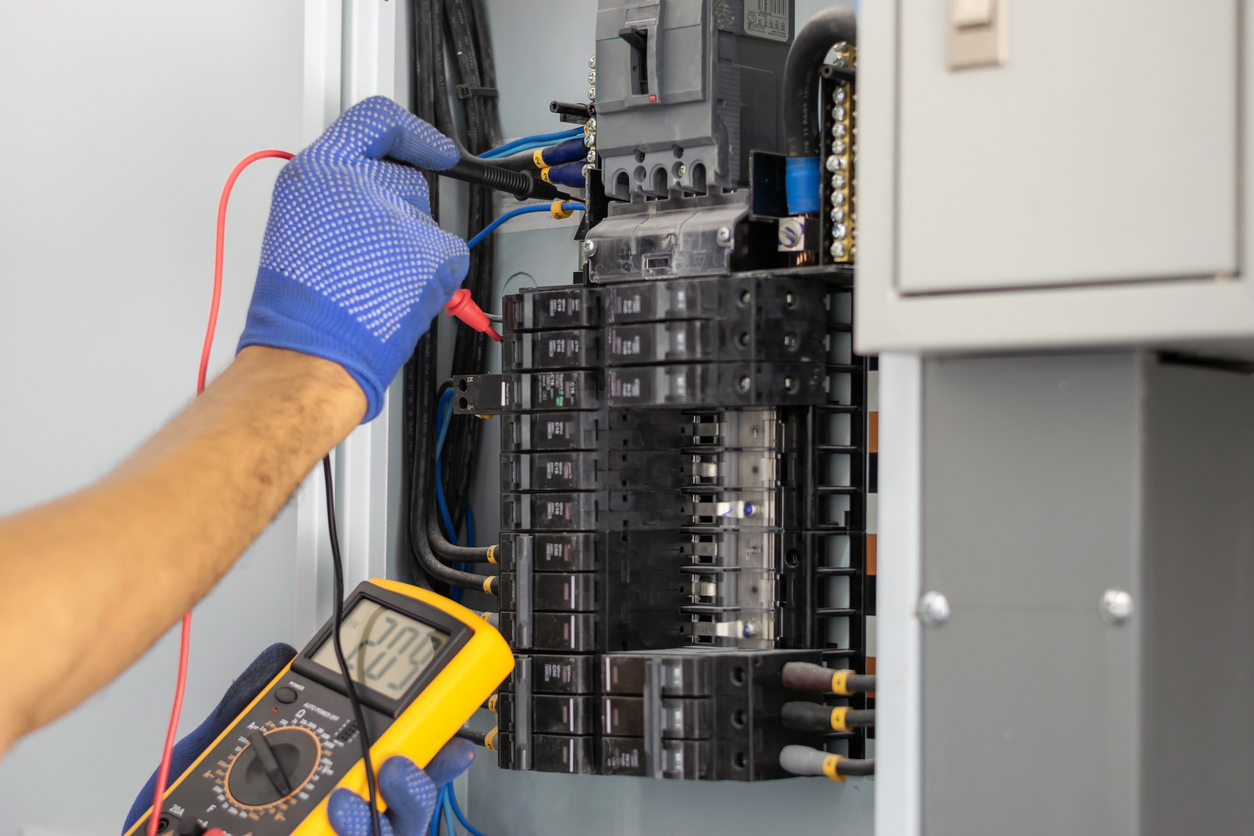
You should upgrade your electrical panel when your home shows signs of overload, safety problems, or outdated electrical capacity. Frequent breaker trips, flickering lights, a warm panel, corrosion, or an older panel that cannot support modern appliances are all signs it may be time for an upgrade.
Your electrical panel is the hub of your home’s electrical system. It distributes power to the circuits throughout your house and helps protect your home from overloads and electrical hazards. But as your home ages and your power needs grow, your panel may no longer be able to keep up.
At MillTown, we help homeowners identify when an electrical panel upgrade is the right move for safety, reliability, and long-term performance.
How Do You Know It’s Time to Upgrade Your Electrical Panel?
There are several warning signs that your electrical panel may need to be replaced or upgraded. If you notice any of the following, it is a good idea to have your system evaluated by a licensed electrician:
- Frequent circuit breaker trips
- Flickering or dimming lights
- A panel that feels warm to the touch
- Visible corrosion or rust
- Damaged or unreliable breakers
- An older panel that feels overcrowded
- Not enough capacity for new appliances or home upgrades
These issues can point to a panel that is overloaded, outdated, or no longer operating safely.
What Problems Can an Outdated Electrical Panel Cause?
An older or damaged electrical panel can do more than create inconvenience. It can also create serious safety and performance issues throughout your home.
Overloaded Circuits
If your panel does not have enough capacity for your home’s electrical demand, breakers may trip often or circuits may struggle to handle normal use. This is especially common in older homes that were not designed for today’s appliances, electronics, and HVAC systems.
Excess Heat
A panel that feels warm may indicate overloaded components or internal resistance. Heat buildup inside an electrical panel should always be taken seriously, since it may increase the risk of fire or equipment failure.
Corrosion and Moisture Damage
Corrosion inside the panel can affect electrical connections and lead to poor performance, overheating, or component failure. Moisture exposure is a common cause and should be addressed quickly.
Damaged Breakers or Missing Safety Components
Breakers and related components must work properly to protect your home. If they are damaged, worn out, or no longer functioning as intended, your electrical system may not shut off correctly during a fault.
Lack of Capacity
Many older homes still operate on 100-amp service, which may not be enough for modern electrical needs. If you are adding appliances, remodeling, installing a home office, or planning future upgrades, your panel may need more capacity.
What Are the Most Common Signs You Need an Electrical Panel Upgrade?
Some warning signs are easy to miss until they become more frequent. If you notice any of the following, your electrical panel may no longer be keeping up with your home’s needs:
- Frequent breaker trips: This can mean your panel is overloaded or struggling to handle your household’s electrical demand.
- Flickering or dimming lights: Inconsistent lighting may signal that power is not being distributed properly.
- A warm electrical panel: Heat can point to overloaded components or internal electrical issues that should be inspected right away.
- Corrosion or rust: Moisture damage inside the panel can affect connections and increase the risk of failure.
- Failing breakers: Breakers that do not trip properly or seem unreliable may no longer be protecting your home as they should.
- An older, overcrowded panel: Older systems often lack the capacity needed for modern appliances, electronics, and home upgrades.
These signs do not always mean full replacement is necessary, but they do mean your system should be checked before a larger problem develops.
What Are the Benefits of Upgrading to a 200-Amp Electrical Panel?
For many homeowners, upgrading to a 200-amp electrical panel offers a better fit for modern living. A larger panel can provide more capacity, more flexibility, and better overall system performance.
Benefits of a 200-amp panel may include:
- More power for modern appliances and electronics
- Additional circuits for better electrical distribution
- Improved reliability throughout the home
- Reduced risk of overload-related problems
- Better support for renovations and future upgrades
- Improved resale appeal with an updated electrical system
If your current panel is outdated or undersized, a 200-amp upgrade can help your home run more safely and efficiently.
How Much Does an Electrical Panel Upgrade Cost?
The cost of an electrical panel upgrade depends on a few factors, including:
- The size of the new panel
- The age and condition of the home’s wiring
- Whether additional electrical work is needed
- Permit and inspection requirements
- The complexity of the installation
In general, straightforward upgrades may cost less than projects involving older wiring, service changes, or additional repairs. The best way to get an accurate number is to schedule an inspection and estimate based on your home’s specific needs.
What Should Homeowners Expect During an Electrical Panel Upgrade?
An electrical panel upgrade is a detailed job that should always be handled by a qualified professional. While every project is different, most upgrades follow a similar process.
Initial Inspection
We begin by evaluating your current panel, your home’s electrical demand, and any signs of wear, damage, or code concerns.
Planning and Permits
Panel upgrades often require permits and inspections. We handle the process to ensure the work is completed safely and in accordance with local requirements.
Power Shutdown
During the installation, power to the home will need to be temporarily shut off. This is a normal part of the process.
Panel Replacement
We remove the old panel, install the new one, and reconnect the appropriate circuits. If any breakers, connections, or related components need to be updated, we address those as part of the work.
Final Testing and Inspection
Once the new panel is installed, we test the system and complete any required final inspection to confirm everything is operating correctly.
Does an Older Home Need an Electrical Panel Upgrade?
In many cases, yes. Older homes often have electrical systems designed for a much lower level of power usage. Today’s homes rely on more appliances, more electronics, larger HVAC systems, and additional convenience features than ever before.
If your home is more than 20 years old and still has its original panel, it may be worth having it inspected. Even if the panel still appears to work, it may not provide the capacity or safety features your home needs today.
When Should You Call a Professional?
You should call a licensed electrician if you notice any of the following:
- Breakers that trip often
- Flickering lights throughout the home
- Burning smells near the panel
- Warmth coming from the electrical panel
- Rust, corrosion, or visible damage
- A panel that no longer supports your household’s electrical needs
Electrical panel problems should not be ignored, and they are not a DIY repair. A professional inspection can help determine whether your panel needs repair, replacement, or a full upgrade.
Final Answer: When Is the Right Time to Upgrade Your Electrical Panel?
The right time to upgrade your electrical panel is when your current system shows signs of wear, safety issues, or insufficient capacity for your home’s electrical demand. If your breakers trip regularly, your lights flicker, your panel feels warm, or your home is relying on an older, overcrowded panel, an upgrade may be the best way to improve safety and reliability.
At MillTown Plumbing, Heating, Cooling & Electrical, we help homeowners upgrade outdated electrical panels with safe, reliable solutions built for modern power needs. Schedule your inspection today and let our team help you protect your home and plan for the future.
Recent News
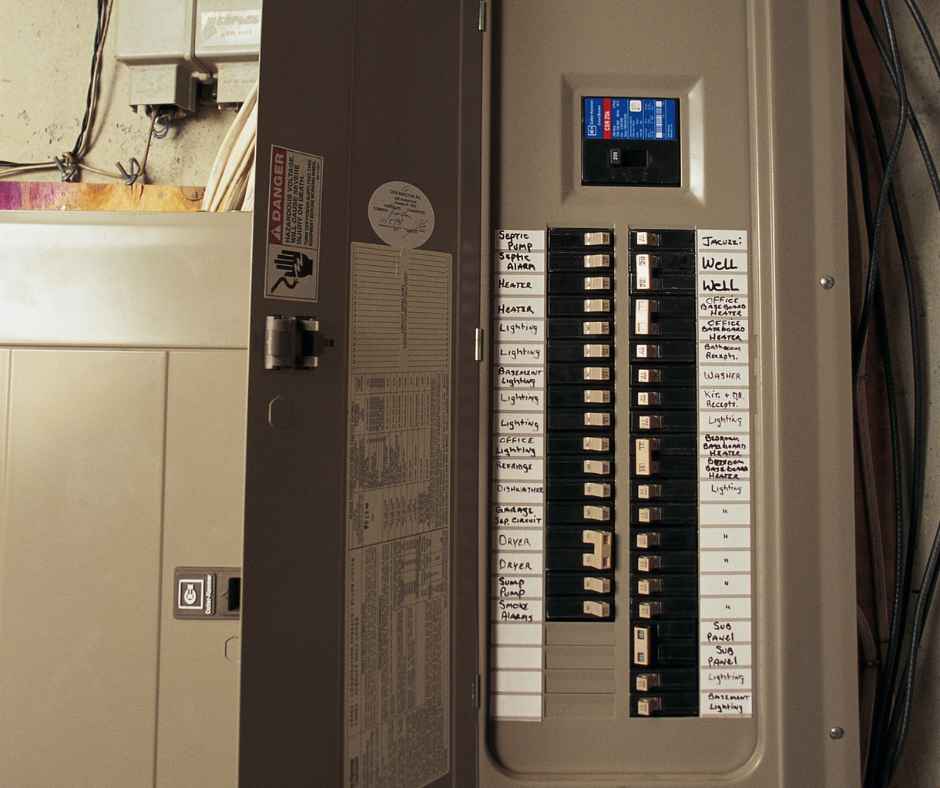
Old Wiring vs. Modern Loads: When Does a Panel Upgrade Become a Safety Necessity in Middlesex County?
A panel upgrade becomes a safety necessity when an older Middlesex County home experiences frequent breaker trips, flickering lights, warm
A panel upgrade becomes a safety necessity when an older Middlesex County home experiences frequent breaker trips, flickering lights, warm
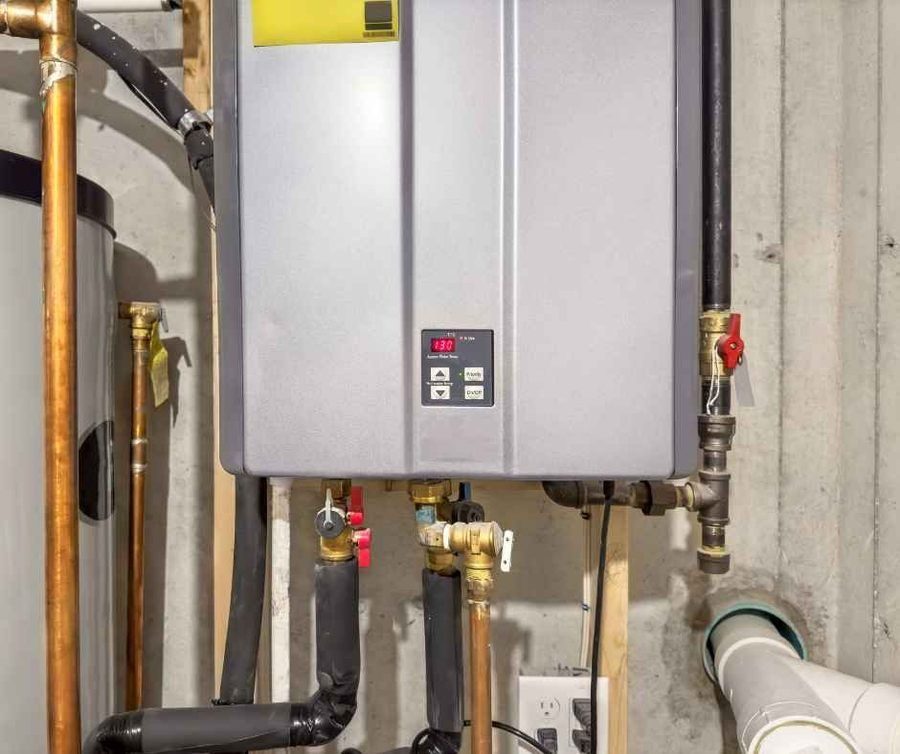
Hard Water & Tankless Systems: Why Massachusetts Mineral Buildup is Your Water Heater’s Worst Enemy
Tankless water heaters can be highly efficient, but mineral buildup can quietly reduce that performance over time. In Massachusetts homes,
Tankless water heaters can be highly efficient, but mineral buildup can quietly reduce that performance over time. In Massachusetts homes,
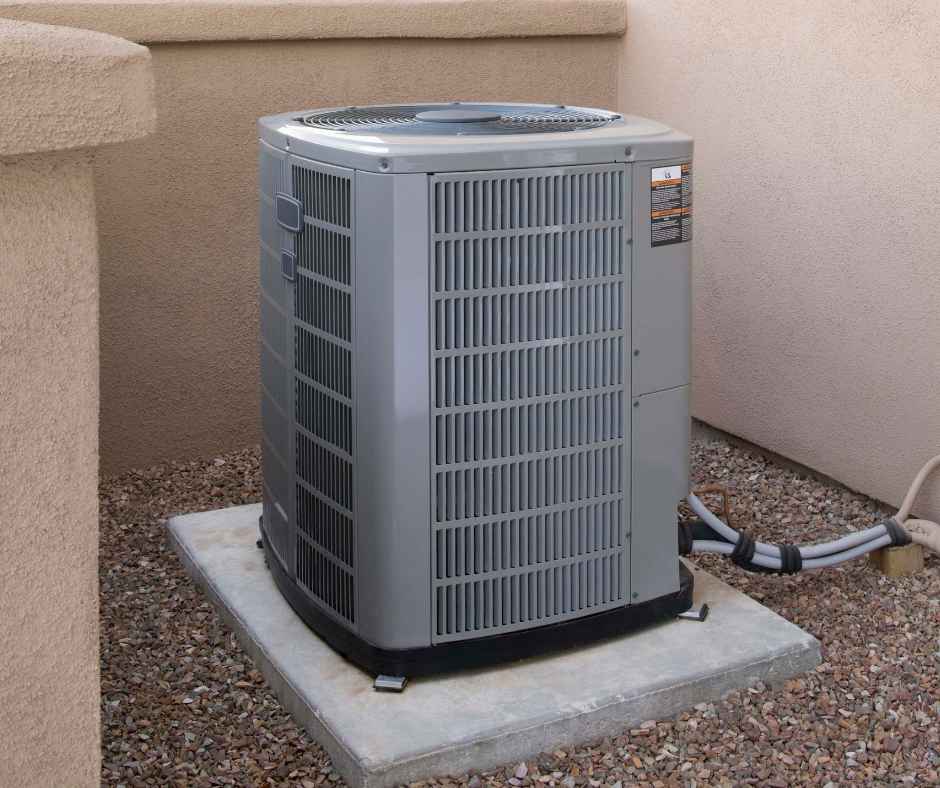
The Cost of Inefficiency: A Deep Dive Into SEER2 Ratings for Massachusetts Homeowners
SEER2 ratings matter because they show how efficiently an air conditioner or heat pump cools your home under updated testing
SEER2 ratings matter because they show how efficiently an air conditioner or heat pump cools your home under updated testing
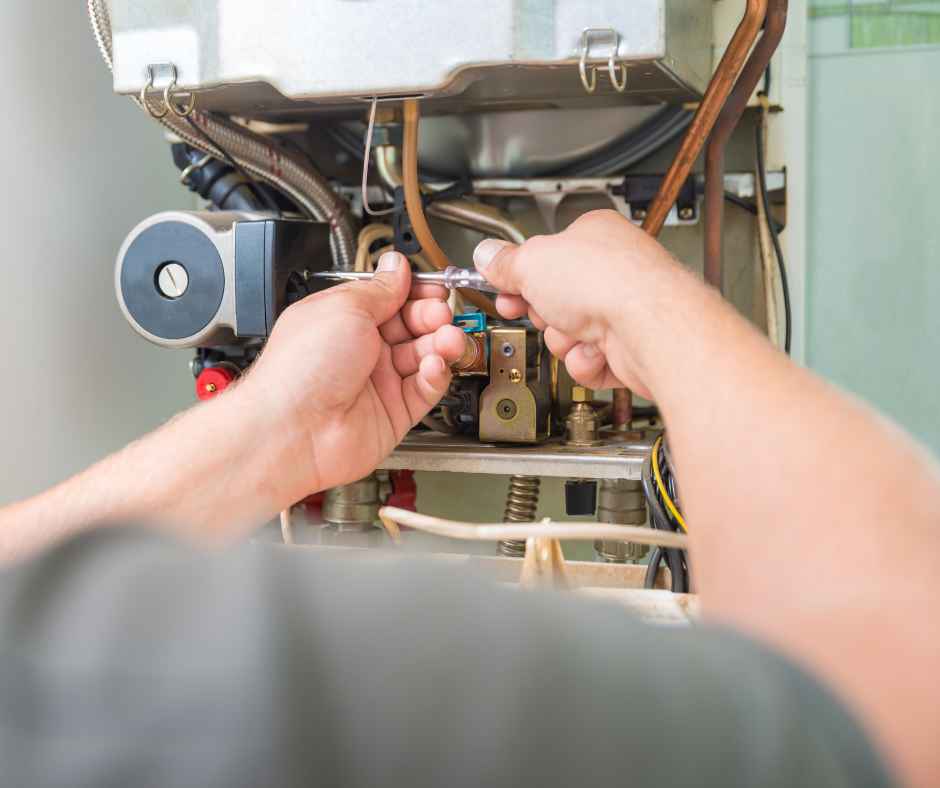
How to Prepare Your Heating System for a Sudden New England Cold Snap
In New England, the weather can shift from a mild afternoon to a bone-chilling freeze in a matter of hours.
In New England, the weather can shift from a mild afternoon to a bone-chilling freeze in a matter of hours.
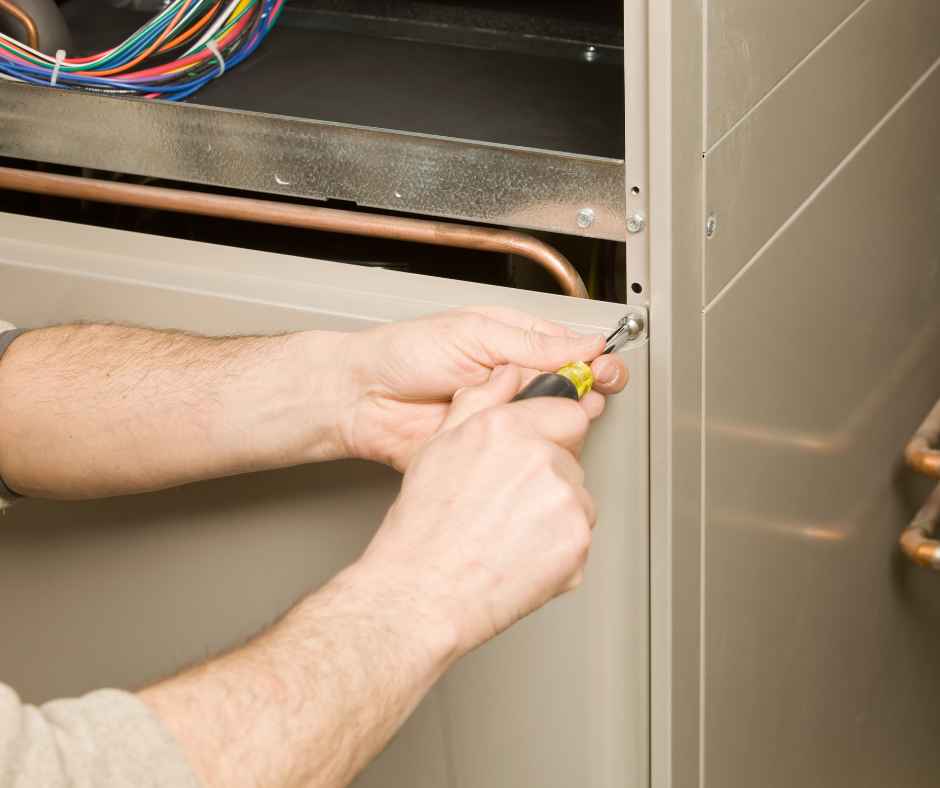
How to Lower Heating Bills Without Sacrificing Comfort in Massachusetts Homes
Surviving a Massachusetts winter requires more than just a heavy coat and a snow shovel. For homeowners across the state,
Surviving a Massachusetts winter requires more than just a heavy coat and a snow shovel. For homeowners across the state,
25 Plumbing Tips Every Massachusetts Homeowner Should Know
Keep your water flowing smoothly with advice from the experts at MillTown Plumbing, Heating, Cooling & Electrical When it comes
Keep your water flowing smoothly with advice from the experts at MillTown Plumbing, Heating, Cooling & Electrical When it comes
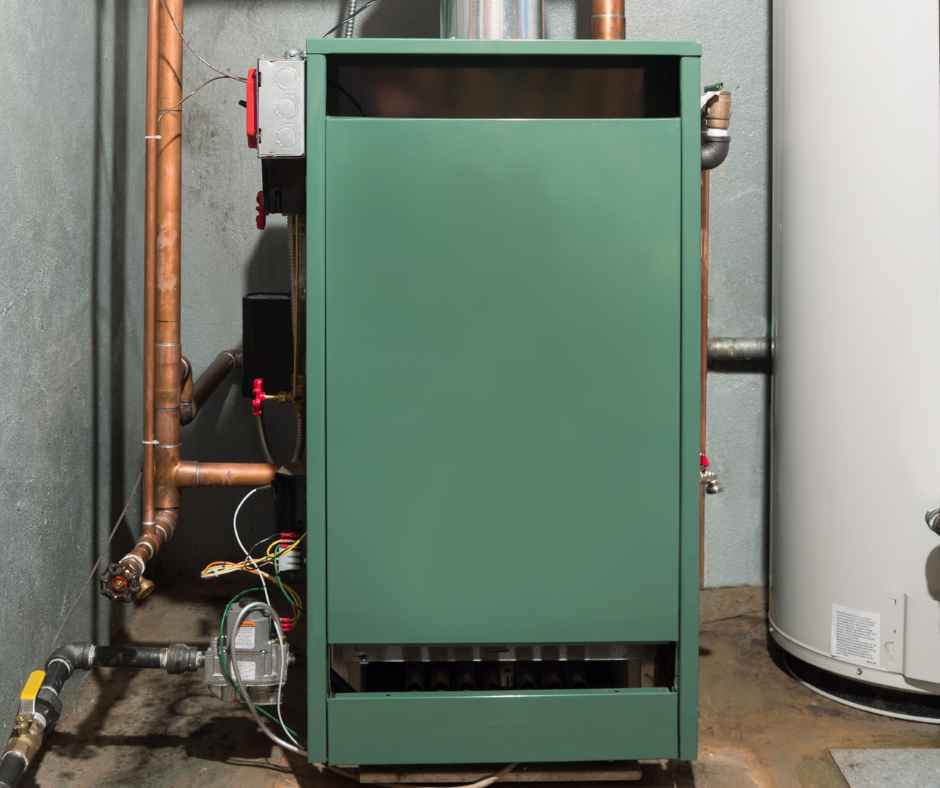
Common Winter HVAC Issues in Massachusetts Homes and When to Call for Service
Massachusetts winters bring freezing temperatures, heavy snowfall, and extended periods of cold weather that place constant strain on home heating
Massachusetts winters bring freezing temperatures, heavy snowfall, and extended periods of cold weather that place constant strain on home heating
Areas In Mass We Service
Acton, MA
Andover, MA
Arlington, MA
Ayer, MA
Bedford, MA
Berlin, MA
Billerica, MA
Bolton, MA
Boxborough, MA
Burlington, MA
Carlisle, MA
Chelmsford, MA
Clinton, MA
Concord, MA
Devens, MA
Dracut, MA
Dunstable, MA
Fitchburg, MA
Georgetown, MA
Groton, MA
Groveland, MA
Harvard, MA
Haverhill, MA
Hudson, MA
Lancaster, MA
Lawrence, MA
Leominster, MA
Lexington, MA
Lincoln, MA
Littleton, MA
Lowell, MA
Lunenburg, MA
Marlborough, MA
Maynard, MA
Methuen, MA
North Andover, MA
North Billerica, MA
North Chelmsford, MA
North Reading, MA
Pepperell, MA
Reading, MA
Shirley, MA
Stoneham, MA
Stow, MA
Sudbury, MA
Tewksbury, MA
Townsend, MA
Tyngsborough, MA
Wakefield, MA
Waltham, MA
Wayland, MA
West Groton, MA
Westford, MA
Weston, MA
Wilmington, MA
Woburn, MA
