★ Locally Trusted With 3140+ 5-Star Reviews ★

Back to Blog
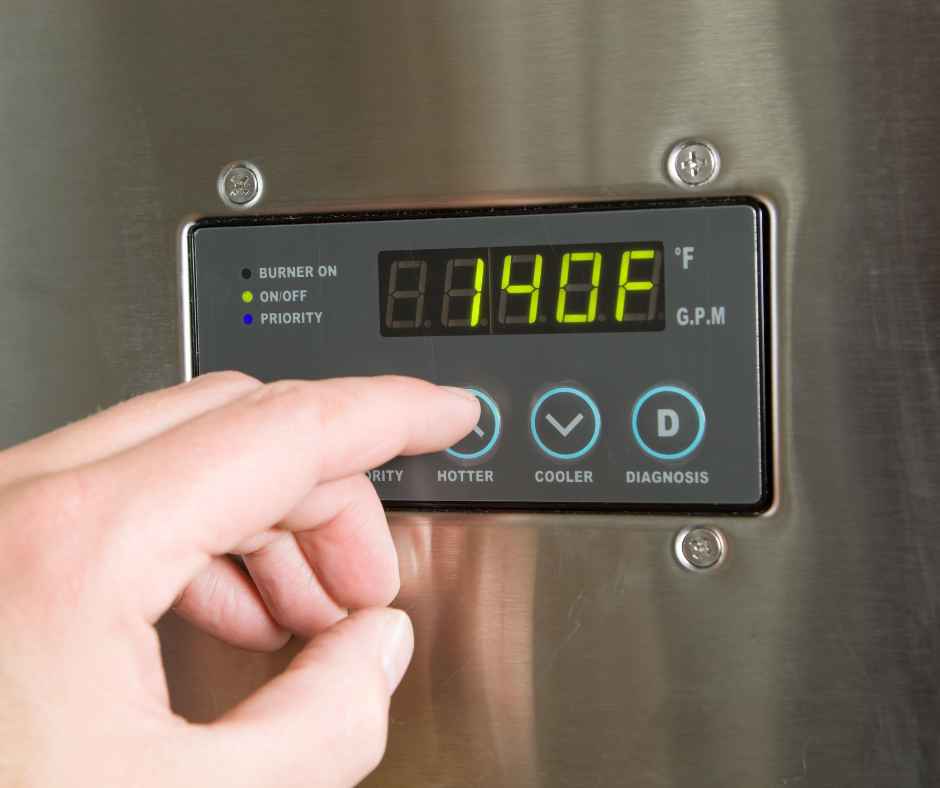
How Does a Tankless Water Heater Work?
A tankless water heater works by heating water only when you need it. When you turn on a hot water tap, cold water flows through the unit and is heated by a gas burner or electric heating element before it reaches your faucet or appliance. Because there is no storage tank, tankless systems avoid standby heat loss and can be more energy-efficient than traditional tank water heaters.
When homeowners start thinking about upgrading their water heater, tankless systems usually come up quickly in the conversation. Between their energy efficiency, space-saving design, and on-demand performance, it is easy to see why more families are considering them. But before deciding if one is right for your home, it helps to understand exactly how a tankless water heater works.
At MillTown Plumbing, Heating, Cooling & Electrical, we help homeowners choose water heating solutions that match their home and lifestyle. In this guide, we will explain how a tankless water heater works, why it can be more efficient than a traditional tank model, and what to consider before making the switch.
What Is a Tankless Water Heater?
A tankless water heater, sometimes called an on-demand water heater, heats water directly without using a storage tank. Traditional water heaters store hot water in a tank and keep reheating it throughout the day. A tankless model only starts heating when your home calls for hot water.
For homeowners, that means a tankless system can deliver hot water as needed while using energy more efficiently than a standard tank model in many situations. It also means the unit takes up less space and can be mounted on a wall rather than sitting on the floor like a bulky storage tank.
How Does a Tankless Water Heater Work Step by Step?
A tankless water heater works in a simple sequence:
- You turn on a hot-water tap, a shower, a dishwasher, or a washing machine.
- Cold water travels through a pipe into the tankless unit.
- Inside the unit, a gas burner or electric heating element heats the water.
- The heated water moves directly to the fixture or appliance that needs it.
Because the water is heated as it passes through the system, you do not have to wait for a storage tank to refill and reheat. That is why tankless systems are often described as delivering hot water on demand.
Why Is a Tankless Water Heater More Efficient?
One of the biggest reasons homeowners choose tankless water heaters is energy efficiency. Traditional water heaters lose energy through something called standby heat loss. That happens when hot water sits in a tank, cools down over time, and has to be reheated to maintain temperature. The system keeps cycling even when you are not actively using hot water.
A tankless water heater avoids that problem by heating water only when there is demand. Since it does not store and reheat gallons of water around the clock, it can reduce wasted energy and lower utility costs over time.
What Are the Main Benefits of a Tankless Water Heater?
At MillTown, these are the benefits homeowners ask us about most often:
- On-demand hot water: Tankless systems heat water as needed, so you are not relying on a limited tank supply.
- Lower energy waste: Because there is no tank sitting full of heated water, you avoid standby heat loss.
- Space-saving design: Tankless units are compact and can be wall-mounted, freeing up room in utility areas, basements, and closets.
- Longer lifespan: With proper maintenance, a tankless water heater can last up to 20 years, which is typically longer than a traditional tank water heater.
- Lower risk of tank-related water damage: Since there is no large water storage tank, there is less risk of a tank rupture or a large leak.
Are There Any Downsides to a Tankless Water Heater?
The biggest drawback is usually the higher upfront cost. Tankless systems generally cost more to buy and install than traditional tank water heaters. Installation can also be more complex, especially if your home needs venting, gas line, electrical, or plumbing updates during the conversion.
Another consideration is household demand. If multiple showers, appliances, and fixtures are all calling for hot water at the same time, the system must be sized correctly. In some homes, more than one unit or a different system design may make more sense.
Tankless systems also need regular maintenance, including descaling to reduce mineral buildup and keep the unit operating efficiently.
Is a Tankless Water Heater Worth It for Your Home?
A tankless water heater can absolutely be worth it, but the right answer depends on your home and your goals. If you want better energy efficiency, a compact design, and long-term performance, a tankless system can be a smart investment. If you plan to stay in your home for years, the long-term value may help offset the higher initial cost.
For some homeowners, though, a traditional tank water heater may still be the better fit based on budget, hot water usage, or installation needs. That is why sizing and planning matter so much. A tankless system works best when it is matched to the home correctly from the start.
Tankless Water Heater Pros and Considerations
- Best for: homeowners who want on-demand hot water, better efficiency, and a space-saving system
- May cost more upfront: purchase and installation are usually higher than tank systems
- Can last longer: often up to 20 years with proper maintenance
- Needs maintenance: descaling and regular service help protect efficiency and lifespan
- Must be sized correctly: especially in homes with high simultaneous hot water demand
Need Help Choosing the Right Water Heater?
At MillTown Plumbing, Heating, Cooling & Electrical, we help homeowners decide whether a tankless water heater is the right fit for their home, budget, and daily hot water needs. We can evaluate your existing setup, explain your options, and handle professional installation so your system is safe, efficient, and built to last.
Contact MillTown Plumbing, Heating, Cooling & Electrical to schedule service or talk with our team about upgrading to a tankless water heater.
Recent News
Old Wiring vs. Modern Loads: When Does a Panel Upgrade Become a Safety Necessity in Middlesex County?
A panel upgrade becomes a safety necessity when an older Middlesex County home experiences frequent breaker trips, flickering lights, warm
A panel upgrade becomes a safety necessity when an older Middlesex County home experiences frequent breaker trips, flickering lights, warm
Hard Water & Tankless Systems: Why Massachusetts Mineral Buildup is Your Water Heater’s Worst Enemy
Tankless water heaters can be highly efficient, but mineral buildup can quietly reduce that performance over time. In Massachusetts homes,
Tankless water heaters can be highly efficient, but mineral buildup can quietly reduce that performance over time. In Massachusetts homes,
The Cost of Inefficiency: A Deep Dive Into SEER2 Ratings for Massachusetts Homeowners
SEER2 ratings matter because they show how efficiently an air conditioner or heat pump cools your home under updated testing
SEER2 ratings matter because they show how efficiently an air conditioner or heat pump cools your home under updated testing
How to Prepare Your Heating System for a Sudden New England Cold Snap
In New England, the weather can shift from a mild afternoon to a bone-chilling freeze in a matter of hours.
In New England, the weather can shift from a mild afternoon to a bone-chilling freeze in a matter of hours.
How to Lower Heating Bills Without Sacrificing Comfort in Massachusetts Homes
Surviving a Massachusetts winter requires more than just a heavy coat and a snow shovel. For homeowners across the state,
Surviving a Massachusetts winter requires more than just a heavy coat and a snow shovel. For homeowners across the state,
25 Plumbing Tips Every Massachusetts Homeowner Should Know
Keep your water flowing smoothly with advice from the experts at MillTown Plumbing, Heating, Cooling & Electrical When it comes
Keep your water flowing smoothly with advice from the experts at MillTown Plumbing, Heating, Cooling & Electrical When it comes
Common Winter HVAC Issues in Massachusetts Homes and When to Call for Service
Massachusetts winters bring freezing temperatures, heavy snowfall, and extended periods of cold weather that place constant strain on home heating
Massachusetts winters bring freezing temperatures, heavy snowfall, and extended periods of cold weather that place constant strain on home heating
Areas In Mass We Service
Acton, MA
Andover, MA
Arlington, MA
Ayer, MA
Bedford, MA
Berlin, MA
Billerica, MA
Bolton, MA
Boxborough, MA
Burlington, MA
Carlisle, MA
Chelmsford, MA
Clinton, MA
Concord, MA
Devens, MA
Dracut, MA
Dunstable, MA
Fitchburg, MA
Georgetown, MA
Groton, MA
Groveland, MA
Harvard, MA
Haverhill, MA
Hudson, MA
Lancaster, MA
Lawrence, MA
Leominster, MA
Lexington, MA
Lincoln, MA
Littleton, MA
Lowell, MA
Lunenburg, MA
Marlborough, MA
Maynard, MA
Methuen, MA
North Andover, MA
North Billerica, MA
North Chelmsford, MA
North Reading, MA
Pepperell, MA
Reading, MA
Shirley, MA
Stoneham, MA
Stow, MA
Sudbury, MA
Tewksbury, MA
Townsend, MA
Tyngsborough, MA
Wakefield, MA
Waltham, MA
Wayland, MA
West Groton, MA
Westford, MA
Weston, MA
Wilmington, MA
Woburn, MA
