★ Locally Trusted With 3171+ 5-Star Reviews ★

Back to Blog
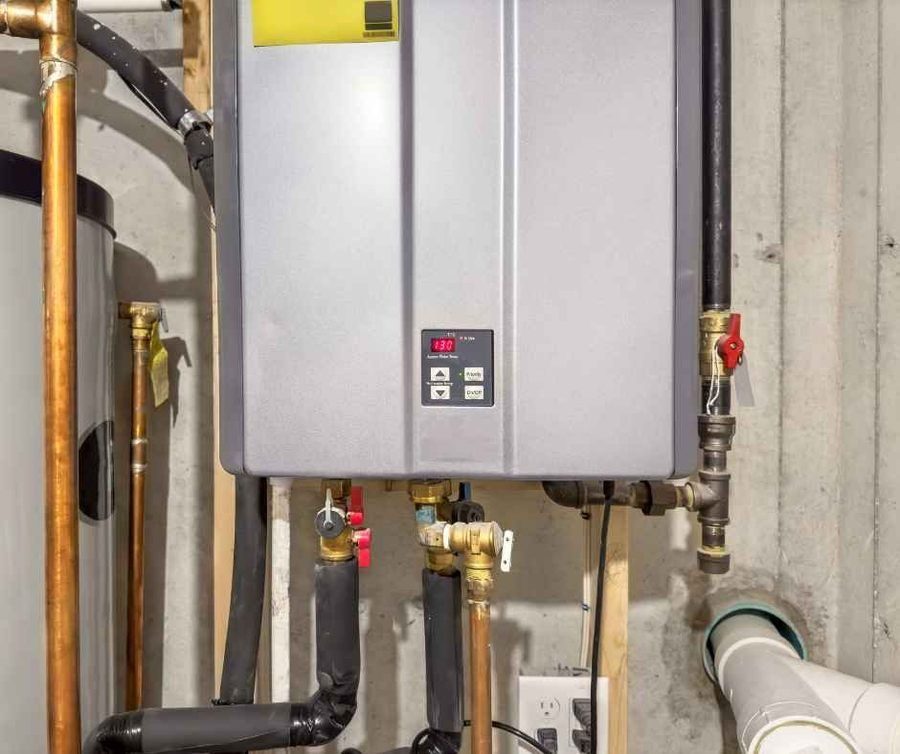
Hard Water & Tankless Systems: Why Massachusetts Mineral Buildup is Your Water Heater’s Worst Enemy
Tankless water heaters can be highly efficient, but mineral buildup can quietly reduce that performance over time. In Massachusetts homes, water conditions vary by location and water source, and even moderately hard water can leave scale inside a tankless heat exchanger, which can lead to lower efficiency, more maintenance, and a shorter equipment life if the buildup is ignored.
Tankless water heaters are popular for a reason. They save space, deliver hot water on demand, and can be a strong long-term upgrade for the right home. But they also have one weakness homeowners often overlook: scale.
When minerals build up inside a tankless water heater, the system has to work harder to transfer heat. That can affect efficiency, hot water performance, maintenance frequency, and long-term reliability. In Massachusetts, that risk depends heavily on local water conditions. Public water hardness can vary from town to town, and private well users can see very different water quality from one property to the next.
In this guide, you will learn how hard water affects tankless systems, why scale buildup is such a problem for heat exchangers, what warning signs to watch for, and when water treatment may be the smarter investment than repeated service calls.
Why Tankless Water Heaters Struggle With Mineral Buildup
A tankless water heater depends on a compact heat exchanger to heat water quickly as it passes through the unit. When mineral scale forms inside the exchanger, heat transfer becomes less efficient, and the system can begin to lose performance. Manufacturers specifically recommend descaling tankless units in hard-water conditions because scale buildup affects operation and maintenance.
That matters because tankless systems have little room for buildup before it starts affecting performance. A small scale can quickly become a bigger efficiency and reliability problem than many homeowners expect.
Why This Matters in Massachusetts
Massachusetts homeowners are not all dealing with the same water. Some municipal systems are only slightly hard. Cambridge, for example, reports about 50 to 70 mg/L of hardness, or roughly 3 to 4 grains per gallon. At the same time, more than 500,000 people in Massachusetts rely on private wells, where water characteristics can vary widely depending on local geology and the individual supply.
That means two nearby homes may have very different risks of mineral buildup. It also means a homeowner can have a tankless system that performs well for years in one location and much less well in another if the incoming water is more scale-forming.
How Scale Affects Tankless Performance
When scale builds up inside the heat exchanger, the tankless unit has to work harder to deliver the same hot water output. Over time, that can lead to:
-
Lower efficiency
-
Reduced hot water performance
-
More maintenance
-
Shorter equipment life
-
Error conditions or overheating protection events in some systems
Tankless manufacturers market scale-prevention products specifically for this reason, and descaling procedures are treated as routine maintenance in hard-water homes.
Why Tankless Systems Are More Sensitive Than Many Homeowners Realize
A traditional tank water heater can also suffer from mineral buildup, but tankless systems are especially sensitive because they heat water so quickly through a narrower heat-transfer path. Once the scale starts coating that internal surface, performance can drop faster than homeowners expect.
That is why a tankless water heater with hard water issues may still run, but not as well as it should. Homeowners may notice symptoms before realizing the cause.
Common Signs Mineral Buildup Is Affecting Your Tankless System
Some of the most common warning signs include:
-
Hot water that seems less consistent
-
Reduced flow or weaker hot water delivery
-
Longer wait times for reliable hot water
-
More frequent maintenance needs
-
Repeated descaling recommendations
-
System warnings or service codes related to scale or overheating
These signs do not always appear all at once, but they often show up gradually as buildup increases inside the unit.
Why Descaling Becomes So Important
If hard water is part of the picture, tankless water heater maintenance usually includes periodic flushing or descaling. Rinnai and Noritz both provide homeowner or technician guidance for flushing tankless units, and Noritz specifically notes that hard-water homes without softening or anti-scale treatment will need periodic descaling, per the unit manual.
That is where the hidden cost starts showing up. If mineral buildup keeps returning, homeowners may end up paying for repeated maintenance or living with declining performance between service visits.
When a Water Treatment Solution Starts Making Sense
Water treatment becomes a much more practical conversation when the same scale-related issues keep coming back. That often includes homes where:
-
The tankless unit needs regular descaling
-
Hot water performance is declining
-
Scale is visible on other fixtures
-
Appliance and plumbing maintenance is becoming more frequent
-
The homeowner wants to protect a newer tankless investment
Scale-prevention systems are sold specifically to protect tankless water heaters and other appliances from calcium and lime deposits, which shows how common this concern is in real installations.
Is a Tankless Water Heater Still Worth It in Hard Water?
Yes, but only if the homeowner treats water quality as part of ownership.
A tankless system can still be an excellent choice in a Massachusetts home with mineral-heavy water. The difference is that water treatment and maintenance become part of protecting that investment. Without that step, hard water can erode the efficiency and value that made tankless systems attractive in the first place.
What Massachusetts Homeowners Should Pay Attention To
If you have a tankless water heater or are considering one, the most important questions are usually:
-
What is the hardness level of your water?
-
Are you on municipal water or a private well?
-
Is the scale already showing up on fixtures?
-
Has the tankless unit needed repeated flushing?
-
Are hot water performance issues starting to show up?
-
Would scale prevention cost less than repeated service over time?
Those questions usually get to the heart of whether mineral buildup is already affecting the system or is likely to soon.
Protect the Water Heater Before Scale Starts Winning
Tankless water heaters are efficient, compact, and convenient, but they are not immune to local water conditions. In Massachusetts homes, mineral buildup can quietly reduce performance and raise maintenance costs long before the unit actually fails.
MillTown Plumbing, Heating, Cooling & Electrical can help you evaluate whether hard water is affecting your tankless system and whether water treatment or maintenance changes would better protect your hot water equipment. Contact us to schedule an evaluation of your water quality or tankless water heater.
Recent News
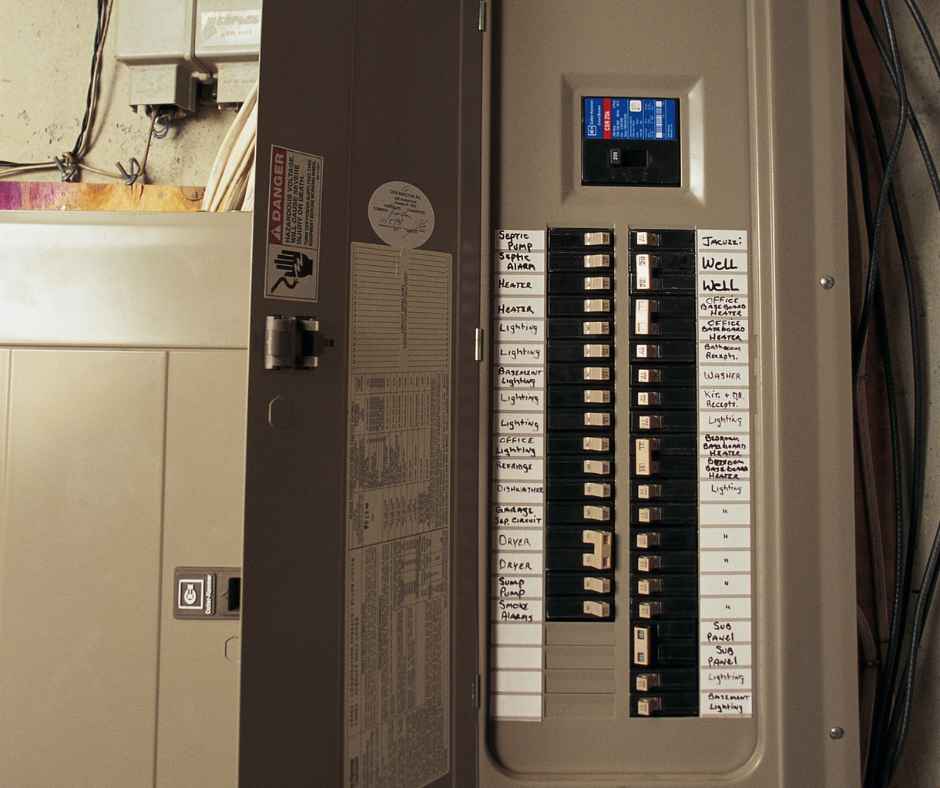
Old Wiring vs. Modern Loads: When Does a Panel Upgrade Become a Safety Necessity in Middlesex County?
A panel upgrade becomes a safety necessity when an older Middlesex County home experiences frequent breaker trips, flickering lights, warm
A panel upgrade becomes a safety necessity when an older Middlesex County home experiences frequent breaker trips, flickering lights, warm
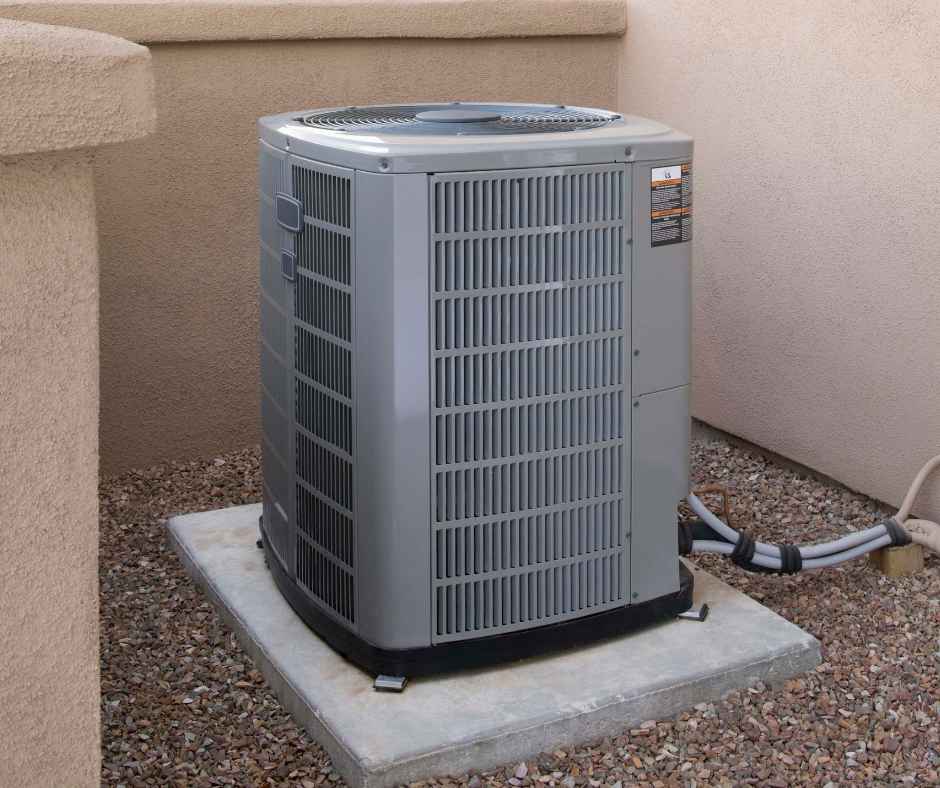
The Cost of Inefficiency: A Deep Dive Into SEER2 Ratings for Massachusetts Homeowners
SEER2 ratings matter because they show how efficiently an air conditioner or heat pump cools your home under updated testing
SEER2 ratings matter because they show how efficiently an air conditioner or heat pump cools your home under updated testing
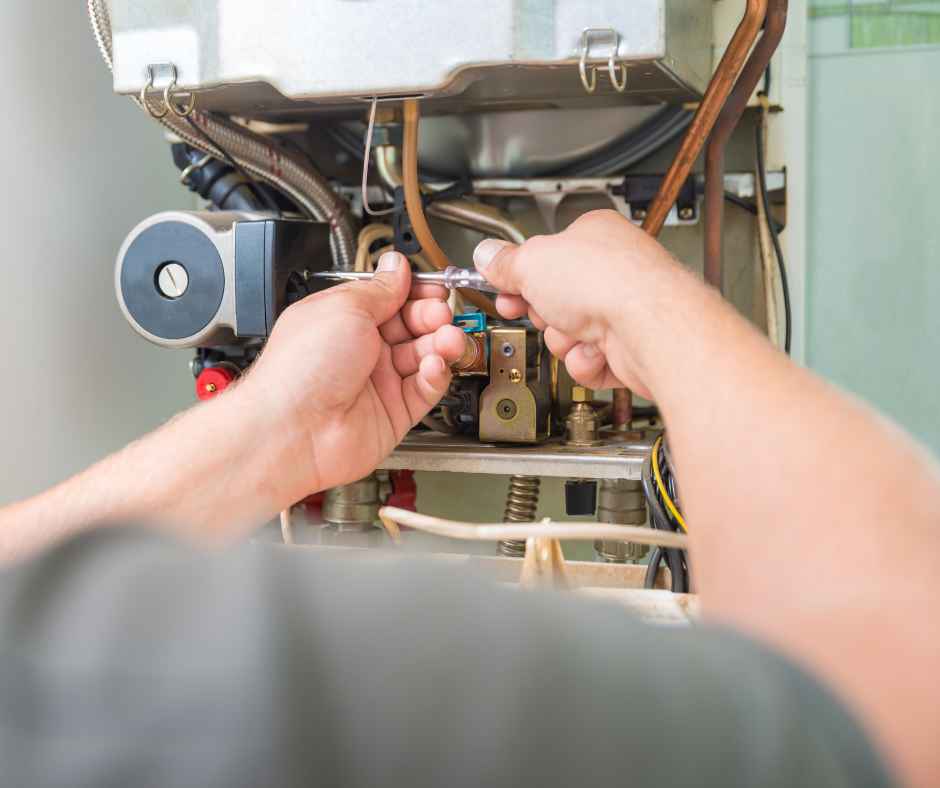
How to Prepare Your Heating System for a Sudden New England Cold Snap
In New England, the weather can shift from a mild afternoon to a bone-chilling freeze in a matter of hours.
In New England, the weather can shift from a mild afternoon to a bone-chilling freeze in a matter of hours.
How to Lower Heating Bills Without Sacrificing Comfort in Massachusetts Homes
Surviving a Massachusetts winter requires more than just a heavy coat and a snow shovel. For homeowners across the state,
Surviving a Massachusetts winter requires more than just a heavy coat and a snow shovel. For homeowners across the state,

25 Plumbing Tips Every Massachusetts Homeowner Should Know
Keep your water flowing smoothly with advice from the experts at MillTown Plumbing, Heating, Cooling & Electrical When it comes
Keep your water flowing smoothly with advice from the experts at MillTown Plumbing, Heating, Cooling & Electrical When it comes
Common Winter HVAC Issues in Massachusetts Homes and When to Call for Service
Massachusetts winters bring freezing temperatures, heavy snowfall, and extended periods of cold weather that place constant strain on home heating
Massachusetts winters bring freezing temperatures, heavy snowfall, and extended periods of cold weather that place constant strain on home heating
Why Professional Drain Cleaning Is Essential Before Holiday Gatherings
The holidays are all about gathering with family, cooking big meals, and making lasting memories. But before guests arrive and
The holidays are all about gathering with family, cooking big meals, and making lasting memories. But before guests arrive and
Areas In Mass We Service
Acton, MA
Andover, MA
Arlington, MA
Ayer, MA
Bedford, MA
Berlin, MA
Billerica, MA
Bolton, MA
Boxborough, MA
Burlington, MA
Carlisle, MA
Chelmsford, MA
Clinton, MA
Concord, MA
Devens, MA
Dracut, MA
Dunstable, MA
Fitchburg, MA
Georgetown, MA
Groton, MA
Groveland, MA
Harvard, MA
Haverhill, MA
Hudson, MA
Lancaster, MA
Lawrence, MA
Leominster, MA
Lexington, MA
Lincoln, MA
Littleton, MA
Lowell, MA
Lunenburg, MA
Marlborough, MA
Maynard, MA
Methuen, MA
North Andover, MA
North Billerica, MA
North Chelmsford, MA
North Reading, MA
Pepperell, MA
Reading, MA
Shirley, MA
Stoneham, MA
Stow, MA
Sudbury, MA
Tewksbury, MA
Townsend, MA
Tyngsborough, MA
Wakefield, MA
Waltham, MA
Wayland, MA
West Groton, MA
Westford, MA
Weston, MA
Wilmington, MA
Woburn, MA
