★ Locally Trusted With 3193+ 5-Star Reviews ★

Back to Blog
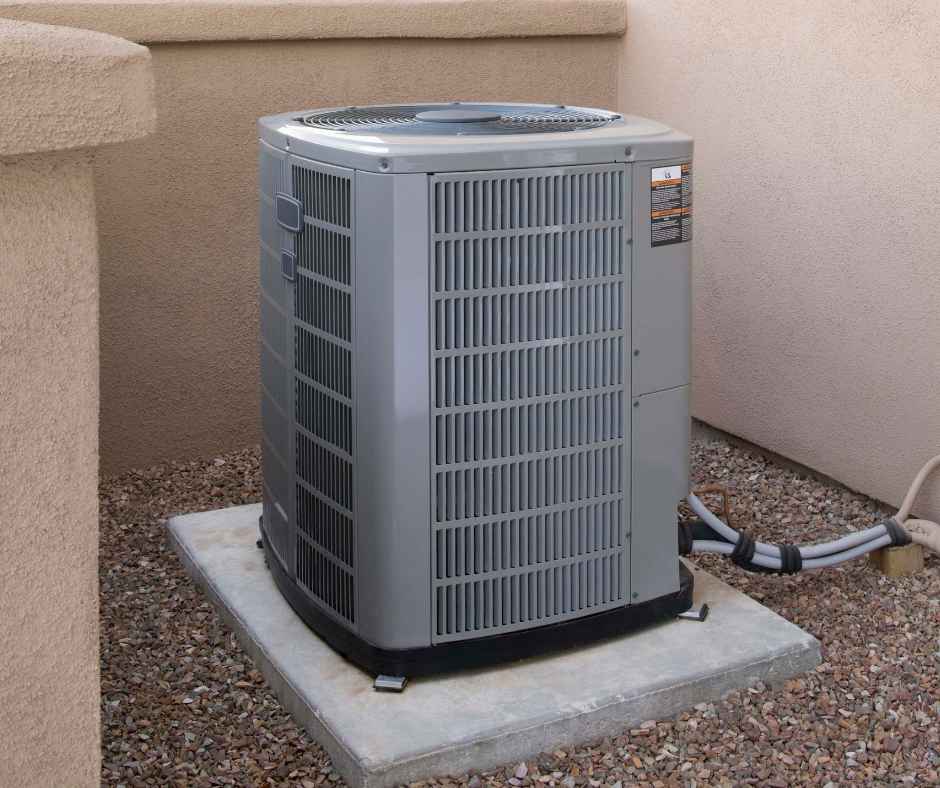
The Cost of Inefficiency: A Deep Dive Into SEER2 Ratings for Massachusetts Homeowners
SEER2 ratings matter because they show how efficiently an air conditioner or heat pump cools your home under updated testing standards. For Massachusetts homeowners, a higher SEER2 rating can mean lower summer electric bills, better comfort in humid weather, and a stronger long-term return on investment when replacing older cooling equipment. SEER2 is the current cooling-efficiency metric used for central air conditioners and heat pumps, and ENERGY STAR has updated product criteria around SEER2 performance.
Many homeowners only consider the installation price when comparing new cooling systems. That is understandable. The upfront number is easy to see. The cost of inefficiency is not.
The real expense shows up month after month when an older or lower-efficiency system runs longer, uses more electricity, and struggles to keep the house comfortable on hot, humid days. In Massachusetts, where many homes are balancing summer cooling needs with broader energy-upgrade decisions, SEER2 is one of the most important numbers to consider before replacing a central AC unit or a heat pump. Mass Save continues to position heat pumps as an efficient heating-and-cooling option and offers rebates and 0% financing pathways for qualifying projects.
In this guide, you will learn what SEER2 means, why it matters for Massachusetts homeowners, how higher-efficiency equipment can affect operating cost, and how to think about SEER2 when comparing repair and replacement options.
What Is SEER2?
SEER2 stands for Seasonal Energy Efficiency Ratio 2. It measures how much cooling a system provides over a cooling season relative to the electricity it uses, using updated testing methods that better reflect real-world external static pressure and operating conditions than older SEER testing methods.
In simple terms, the higher the SEER2 rating, the less electricity the system typically needs to deliver the same amount of cooling. That does not mean SEER2 tells you everything about comfort or installation quality, but it is one of the clearest indicators of cooling efficiency when comparing similar systems.
Why Does SEER2 Matter in Massachusetts?
Massachusetts is not Florida, but that does not make cooling efficiency unimportant. Summer humidity, warm spells, and rising electricity costs still make inefficient air conditioning expensive in the long run. Many homeowners are also making broader home-performance decisions, which means HVAC upgrades are often part of a bigger conversation about comfort, operating cost, and electrification. Mass Save actively promotes high-efficiency heat pumps for year-round comfort and offers incentives tied to qualifying equipment.
That is why SEER2 matters here. A system with a stronger efficiency rating can help lower cooling costs, especially in homes where the AC runs frequently during humid periods or where an older system is already struggling.
What Is the Real Cost of a Low SEER2 System?
The highest hidden cost is not usually the purchase price. It is the ongoing operating cost.
A lower-efficiency system typically needs more electricity to produce the same cooling output as a higher-efficiency model. Over time, that can mean:
- higher summer utility bills
- longer run times
- more strain on major components
- less efficient humidity control when the system is poorly matched or aging
- a weaker long-term return on the replacement investment
The difference may not feel dramatic in one month, but over the life of the equipment, efficiency gaps can add up significantly. That is why higher-efficiency equipment is a bigger deal than many homeowners realize. High-efficiency cooling equipment is a way to reduce energy use and operating costs over time.
Is Higher SEER2 Always Worth Paying For?
Not automatically.
A higher SEER2 rating is valuable, but the best choice depends on how long you plan to stay in the home, how often the system runs, your installation conditions, and whether the rest of the house supports efficient cooling.
In many cases, paying more for better efficiency makes sense when:
- Your current system is old and inefficient
- You plan to stay in the home for years
- Your summer electric bills are already high
- You want to pair new equipment with other comfort upgrades
- You are choosing between systems that are both properly sized and properly installed
The key is not chasing the highest number on paper. It is choosing the best-value efficiency level for your home and usage.
Why Installation Still Matters as Much as the Rating
A strong SEER2 rating does not guarantee strong real-world performance on its own.
Proper sizing and installation are critical. Split-system air conditioners and heat pumps must be matched with appropriate coil components and installed correctly to achieve expected performance. That means a poorly installed high-SEER2 system can still disappoint, while a properly designed and installed system often delivers much better comfort and efficiency.
For Massachusetts homeowners, that matters because many comfort complaints are not caused solely by equipment ratings. They are caused by issues like:
- poor sizing
- duct leakage
- airflow problems
- thermostat or control issues
- insulation and attic losses
- outdated or mismatched system components
SEER2 matters, but installation quality decides whether you actually get the benefit.
How Does SEER2 Compare to an Older SEER Rating?
Many homeowners are still familiar with SEER rather than SEER2. The important thing to know is that SEER2 is the current standard, and ratings are not directly interchangeable one-for-one with older SEER labels because the test procedures have changed.
That means when you compare a new system to an older one, you should compare it using the current rating language shown on today’s equipment literature rather than assuming the older and newer numbers line up exactly.
Does SEER2 Matter for Heat Pumps Too?
Yes. SEER2 applies to central air conditioners and heat pumps on the cooling side. That is especially relevant in Massachusetts, where many homeowners are considering heat pumps as part of a broader efficiency upgrade. Mass Save promotes air-source heat pumps as an efficient all-in-one heating and cooling option, and qualifying equipment is listed through its program resources.
For homeowners comparing central AC to a heat pump, SEER2 measures cooling efficiency, while other ratings describe heating performance. In other words, SEER2 is only part of the full decision, but it is still a critical part.
What SEER2 Rating Should Massachusetts Homeowners Look For?
There is no single perfect number for every home.
A practical way to think about it is:
- Baseline efficiency helps control upfront cost
- Mid-range, higher efficiency often gives the best balance of purchase price and operating savings
- Premium efficiency can make more sense for homeowners planning to stay long-term, electrify, or prioritize lower ongoing energy use
ENERGY STAR certification can also be a useful signal when shopping, because certified systems must meet current product criteria.
The right target depends on your budget, your home, and how much you value lower operating costs over the system’s life.
How Do Rebates and Incentives Affect the Math?
In Massachusetts, incentives can significantly change the value equation.
Mass Save offers rebates on qualifying heat pump projects and also highlights 0% HEAT Loan financing for eligible energy-efficiency upgrades. That can make a higher-efficiency system more affordable upfront and shorten the payback period for homeowners who choose qualifying equipment.
Federal tax-credit rules have changed over time, and the ENERGY STAR page for central air conditioner tax credits states that the referenced federal tax credit applied to products purchased and installed between January 1, 2023, and December 31, 2025. Because incentive programs can change, it is important to verify what is currently available before making a final decision.
When Does a Higher-Efficiency Replacement Make the Most Sense?
A higher-efficiency replacement is often easier to justify when:
- Your current system is older and well below today’s efficiency levels
- Repairs are starting to add up
- Humidity control or comfort has declined
- You plan to stay in the house
- Your home is already making other efficiency upgrades
- You may qualify for rebates or financing support
That is when the cost of inefficiency becomes hardest to ignore. You are not just comparing one condenser to another. You are comparing years of higher operating costs against a better long-term system.
What Massachusetts Homeowners Should Focus On
When comparing new cooling equipment, these are usually the points that matter most:
- SEER2 rating
- installation quality
- proper sizing
- whether the system is ENERGY STAR certified
- rebate eligibility
- how long you plan to stay in the home
- how much you currently spend to stay comfortable in summer
Make Efficiency Part of the Decision, Not an Afterthought
The cheapest system upfront is not always the least expensive system to own. For Massachusetts homeowners, SEER2 is one of the clearest ways to understand the long-term cost of an HVAC choice. A better efficiency rating can mean lower cooling bills, better comfort, and stronger value over the life of the equipment, especially when the system is installed correctly and supported by available incentives.
MillTown Plumbing, Heating, Cooling & Electrical can help you compare efficiency options, evaluate your current equipment, and choose a cooling system that fits your home and long-term budget. If you are weighing repair versus replacement or trying to understand what SEER2 really means for your home, contact MillTown Plumbing, Heating, Cooling & Electrical to schedule an HVAC evaluation.
Recent News
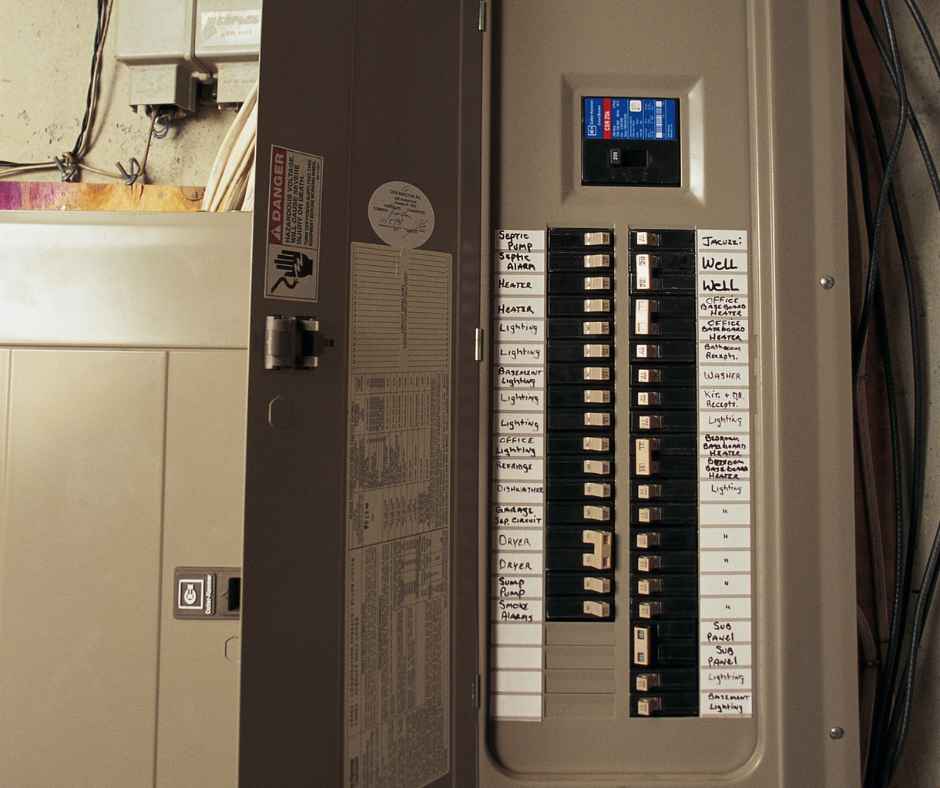
Old Wiring vs. Modern Loads: When Does a Panel Upgrade Become a Safety Necessity in Middlesex County?
A panel upgrade becomes a safety necessity when an older Middlesex County home experiences frequent breaker trips, flickering lights, warm
A panel upgrade becomes a safety necessity when an older Middlesex County home experiences frequent breaker trips, flickering lights, warm
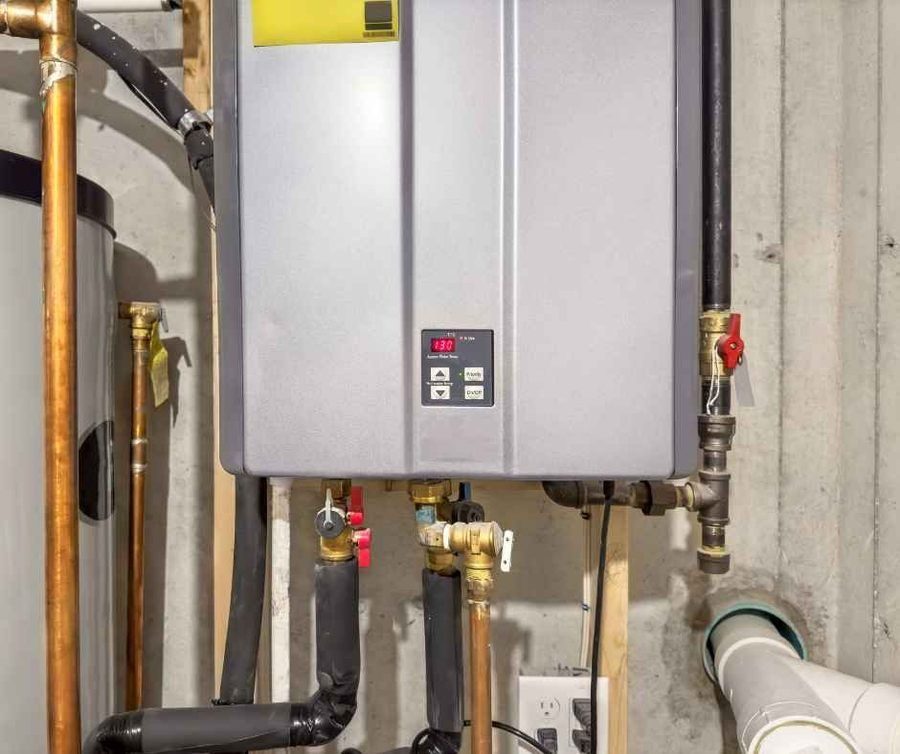
Hard Water & Tankless Systems: Why Massachusetts Mineral Buildup is Your Water Heater’s Worst Enemy
Tankless water heaters can be highly efficient, but mineral buildup can quietly reduce that performance over time. In Massachusetts homes,
Tankless water heaters can be highly efficient, but mineral buildup can quietly reduce that performance over time. In Massachusetts homes,
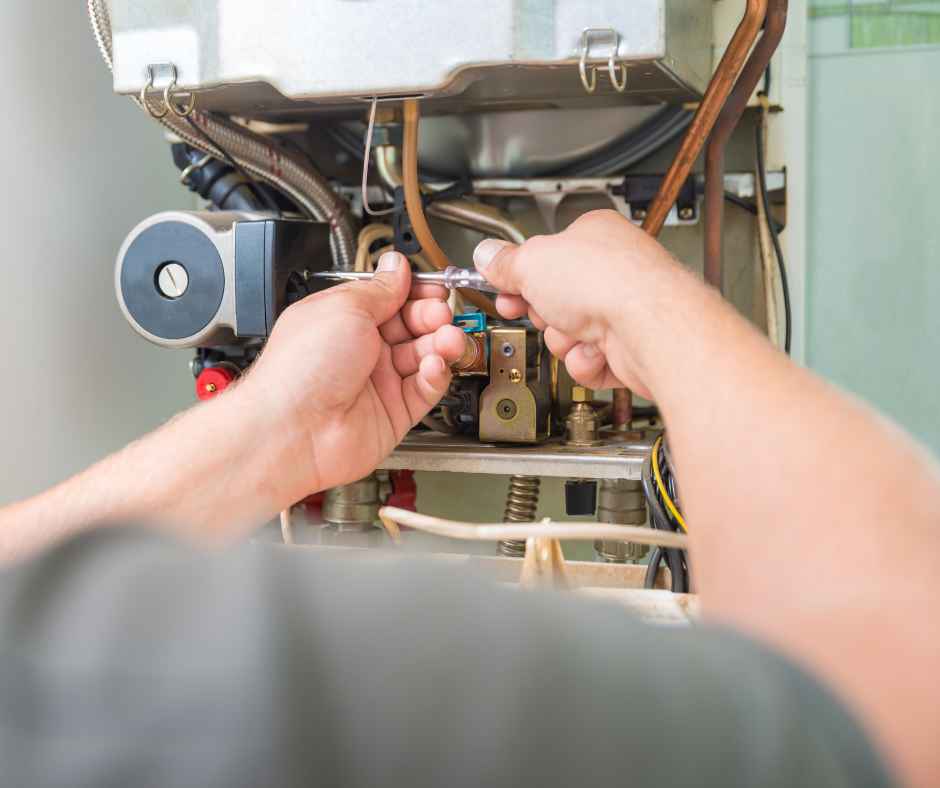
How to Prepare Your Heating System for a Sudden New England Cold Snap
In New England, the weather can shift from a mild afternoon to a bone-chilling freeze in a matter of hours.
In New England, the weather can shift from a mild afternoon to a bone-chilling freeze in a matter of hours.
How to Lower Heating Bills Without Sacrificing Comfort in Massachusetts Homes
Surviving a Massachusetts winter requires more than just a heavy coat and a snow shovel. For homeowners across the state,
Surviving a Massachusetts winter requires more than just a heavy coat and a snow shovel. For homeowners across the state,

25 Plumbing Tips Every Massachusetts Homeowner Should Know
Keep your water flowing smoothly with advice from the experts at MillTown Plumbing, Heating, Cooling & Electrical When it comes
Keep your water flowing smoothly with advice from the experts at MillTown Plumbing, Heating, Cooling & Electrical When it comes
Common Winter HVAC Issues in Massachusetts Homes and When to Call for Service
Massachusetts winters bring freezing temperatures, heavy snowfall, and extended periods of cold weather that place constant strain on home heating
Massachusetts winters bring freezing temperatures, heavy snowfall, and extended periods of cold weather that place constant strain on home heating
Why Professional Drain Cleaning Is Essential Before Holiday Gatherings
The holidays are all about gathering with family, cooking big meals, and making lasting memories. But before guests arrive and
The holidays are all about gathering with family, cooking big meals, and making lasting memories. But before guests arrive and
Areas In Mass We Service
Acton, MA
Andover, MA
Arlington, MA
Ayer, MA
Bedford, MA
Berlin, MA
Billerica, MA
Bolton, MA
Boxborough, MA
Burlington, MA
Carlisle, MA
Chelmsford, MA
Clinton, MA
Concord, MA
Devens, MA
Dracut, MA
Dunstable, MA
Fitchburg, MA
Georgetown, MA
Groton, MA
Groveland, MA
Harvard, MA
Haverhill, MA
Hudson, MA
Lancaster, MA
Lawrence, MA
Leominster, MA
Lexington, MA
Lincoln, MA
Littleton, MA
Lowell, MA
Lunenburg, MA
Marlborough, MA
Maynard, MA
Methuen, MA
North Andover, MA
North Billerica, MA
North Chelmsford, MA
North Reading, MA
Pepperell, MA
Reading, MA
Shirley, MA
Stoneham, MA
Stow, MA
Sudbury, MA
Tewksbury, MA
Townsend, MA
Tyngsborough, MA
Wakefield, MA
Waltham, MA
Wayland, MA
West Groton, MA
Westford, MA
Weston, MA
Wilmington, MA
Woburn, MA
