★ Locally Trusted With 3193+ 5-Star Reviews ★

Back to Blog
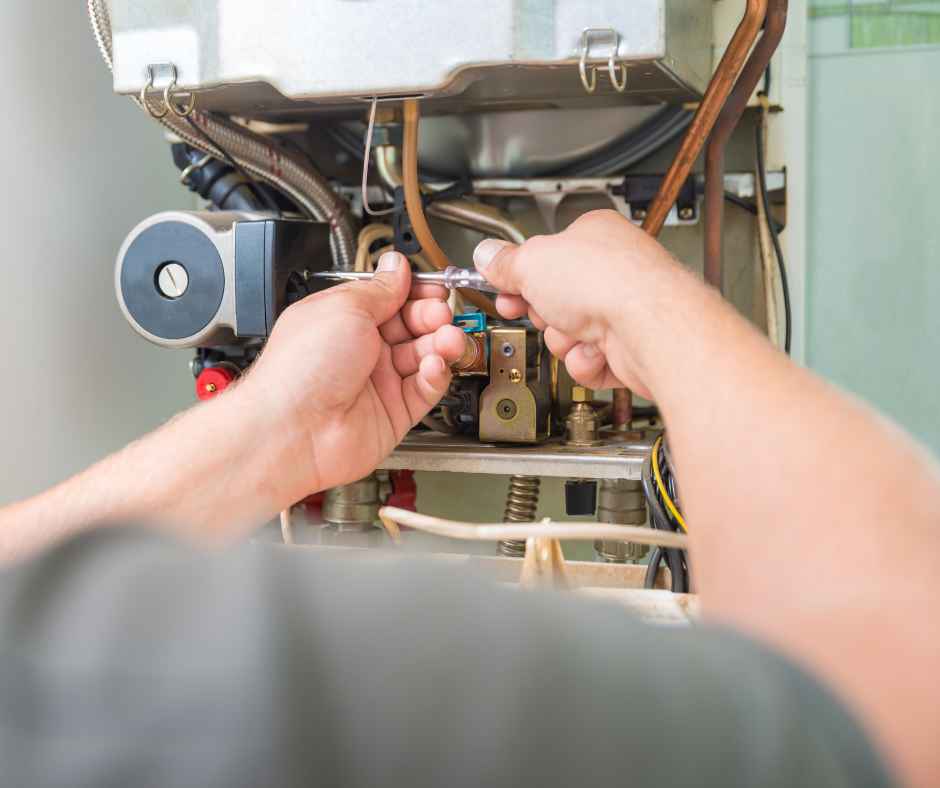
How to Prepare Your Heating System for a Sudden New England Cold Snap
In New England, the weather can shift from a mild afternoon to a bone-chilling freeze in a matter of hours. For homeowners in the Merrimack Valley and Greater Lowell areas, these sudden cold snaps place an enormous amount of stress on your heating system. When the temperature drops into the single digits, your furnace or boiler has to work twice as hard to maintain a safe and comfortable environment.
In this guide, we will discuss how to prepare your heating system for a sudden New England cold snap and provide a prioritized checklist to help you avoid a mid-blizzard breakdown.
The Pre-Snap Checklist: Immediate Actions
Before sub-zero winds arrive, take several low-cost, high-impact steps to ensure your heating system is ready for the surge in demand. A sudden New England cold snap requires your system to run for much longer cycles than it does during a typical winter day. If there is any underlying restriction in your system, such as a dirty filter or a blocked intake, the added strain of a cold snap can trigger a safety shut-off. Performing a quick audit of your system’s “breathing” components can prevent a service call in the middle of a storm.
One of the most common causes of heating failure in extreme cold is insufficient airflow. When a furnace or boiler overheats because it cannot move air or water efficiently, it will shut down to prevent permanent damage. By ensuring your system has a clear path for intake and exhaust, you allow it to operate at peak capacity when you need it most.
- Filter Swap: Install a fresh, high-quality air filter to ensure maximum airflow and reduce strain on the blower motor.
- Clear the Vents: Walk around the exterior of your home and ensure that your PVC intake and exhaust pipes are clear of snow, ice, or bird nests.
- Thermostat Test: Set your heat 5 degrees higher than your usual setting to ensure the system reaches that temperature without struggling or making unusual noises.
- Battery Check: Replace the batteries in your thermostat to prevent a loss of communication with your HVAC unit during a power flicker.
Taking these immediate actions creates a safety buffer for your equipment. A system that is breathing clearly and responding accurately to the thermostat is far less likely to fail when outdoor temperatures plummet. These simple maintenance tasks are your first line of defense against the extreme New England winter, ensuring your home remains a warm refuge regardless of the weather outside.
Protecting Your Pipes: The Critical Heating Link
When a New England cold snap hits, your heating system and your plumbing work as a single unit to protect your home. If your heating system fails to reach certain areas of the house, the water inside your pipes can freeze and expand, leading to catastrophic bursts. This is especially common in older New England homes, where plumbing often runs through uninsulated crawl spaces or along exterior walls. Ensuring that your heating is distributed evenly throughout the structure is just as important as the performance of the boiler or furnace.
Maintaining a minimum temperature in every room prevents “cold pockets” from forming. During extreme weather, it is often better to prioritize pipe safety over energy savings. If you have a room that is notoriously difficult to heat, or if you have plumbing near an exterior wall, taking extra precautions can prevent an expensive emergency repair and the significant water damage that follows a burst pipe.
- Open Cabinet Doors: Allow warm air to circulate around the plumbing under your kitchen and bathroom sinks, especially if they are on exterior walls.
- The “Drip” Method: On the coldest nights, allow a slow drip from your faucets to keep water moving and prevent pressure buildup.
- Consistent Heat: Avoid setting your thermostat back at night during a cold snap; keeping a steady temperature prevents the home from cooling down too much.
- Seal the Drafts: Use foam insulation or even a rolled-up towel to block cold air from entering through gaps in window sills or door frames near plumbing.
These habits ensure your heating system’s hard work effectively protects your home’s infrastructure. By keeping the air moving and the water flowing, you reduce the risk of a plumbing disaster during the peak of a freeze. This holistic approach to winter readiness ensures your comfort isn’t interrupted by frozen pipes or a sudden loss of water service.
Optimizing Airflow and Insulation Efficiency
The goal during a New England cold snap is to keep as much generated heat inside your living space as possible. If your heating system is constantly losing the “battle of the btu” to cold air leaks, it will run continuously, leading to premature wear and higher utility bills. Optimizing your airflow means ensuring that your heat is reaching its intended destination without being sucked out through gaps in your home’s envelope. In many older homes throughout the Merrimack Valley, small improvements in insulation and vent management can feel like adding a whole new level of power to your furnace.
Heat naturally rises, so the attic is often the primary area where your expensive indoor warmth escapes. If your attic is not properly insulated, your heating system will essentially be trying to warm up the entire neighborhood. By focusing on both air distribution and heat retention, you reduce pressure on your mechanical equipment and allow it to cycle more naturally, even when temperatures are below zero.
- Vent Management: Ensure all supply vents are open and not covered by heavy furniture or rugs to allow for proper air circulation.
- The Ceiling Fan Trick: Switch your ceiling fans to the “reverse” or clockwise direction to push the warm air trapped at the ceiling back down to floor level.
- Curtain Strategy: Keep curtains and blinds closed at night to add an extra layer of insulation, and open them on sunny days to maximize natural solar heating.
- Attic Hatch Check: Ensure your attic door or hatch is tightly sealed, as this is one of the most common points where heat bypasses your living areas.
Focusing on these efficiency measures ensures that every dollar you spend on heating stays within your walls. When your home is well-sealed and the air is circulating properly, your heating system doesn’t have to work as hard to maintain your set point. This balance between heat generation and heat retention is the key to staying comfortable through a sudden drop in temperature without overloading your boiler or furnace.
Fuel Management and Emergency Readiness
For homeowners who rely on heating oil or propane, a sudden New England cold snap can cause fuel consumption to double or even triple. During extreme weather events, delivery trucks may be delayed by snow-covered roads or high demand. Running out of fuel during a freeze is more than an inconvenience; it can cause a complete system lockout and frozen pipes within hours. Checking your fuel levels before the storm arrives is a critical part of emergency readiness, ensuring you aren’t left in the dark when temperatures drop to their lowest.
In addition to fuel, you should prepare for the possibility of a power outage. Most modern furnaces and boilers require electricity to run the electronics and pumps. Having an emergency plan that includes a secondary heat source or a properly maintained generator can significantly improve your safety. It is also the most important time of year to ensure your safety detectors are functioning properly, as heating systems operating at maximum capacity pose a higher risk of mechanical issues.
- Check the Tank: Ensure you have at least half a tank of oil or propane before a major cold front is forecast.
- CO Detector Testing: Test every carbon monoxide detector in your home; these are life-saving devices when your heating system is running 24/7.
- Clear the Tank Fill: Shovel a path to your oil fill pipe or propane tank so delivery drivers can reach your home safely and quickly.
- Emergency Kit: Keep a kit with warm blankets, flashlights, and extra batteries in an easily accessible location in case of a temporary power loss.
By managing your fuel and safety equipment proactively, you remove the “unpredictable” elements of a winter storm. Knowing you have enough fuel to last through the freeze allows you to focus on keeping your family comfortable. This level of readiness provides peace of mind, ensuring that even if the power flickers or the roads are closed, your home remains a safe and warm environment for everyone inside.
When to Call the Pros: Warning Signs of Impending Failure
Sometimes, despite your best preparations, a heating system can struggle to keep up with a severe New England winter. Recognizing the early warning signs of a failing furnace or boiler can save you from a complete loss of heat in the middle of a sub-zero night. If you notice your system behaving differently as the temperature drops, it is often better to call for a professional evaluation immediately rather than waiting for the system to shut down entirely.
A system that is underperforming will often give subtle signals that its internal components are nearing capacity. These signs are easy to overlook when you are focused on the weather outside, but they are critical indicators of mechanical stress. Addressing these issues early can prevent a minor part replacement from turning into a full system overhaul.
- Yellow or Flickering Flames: For gas or oil systems, the flame should be a steady blue. A yellow or dancing flame can indicate incomplete combustion and the presence of carbon monoxide.
- Rapid Cycling: If your furnace turns on and off every few minutes without reaching the desired temperature, it may be overheating or experiencing a sensor failure.
- Unusual Noises: Banging, screeching, or whistling sounds are often signs of a failing blower motor, a loose belt, or a cracked heat exchanger.
- The “Cold Air” Symptom: If your vents are blowing cool or lukewarm air while the thermostat is calling for heat, your system’s heating elements or burner assembly may be failing.
If you encounter any of these symptoms, it is time to contact an expert. In New England, a heating failure during a cold snap is a true emergency that can lead to frozen pipes and unsafe indoor temperatures. Professional technicians use diagnostic tools to identify the root cause and perform the necessary repairs safely, ensuring your system returns to peak performance before the next wave of cold air arrives.
Reliable Warmth with MillTown Plumbing, Heating, Cooling & Electrical
For over 40 years, MillTown has been the go-to resource for homeowners throughout Massachusetts and New Hampshire facing the unpredictable New England climate. We understand that your heating system isn’t just a luxury; it’s a vital safety measure for your family. Our team of highly trained technicians is based in the Merrimack Valley, so we know exactly what your home is up against when a “Polar Vortex” or a sudden cold snap is in the forecast.
We pride ourselves on providing rapid, reliable service when you need it most. From precision heating tune-ups to emergency furnace replacements and electrical safety checks, MillTown offers a comprehensive suite of services to keep your home running smoothly all winter long. We are committed to transparent pricing and “best-in-class” craftsmanship, ensuring that your heating system is ready to face the toughest New England weather with confidence.
Don’t let a sudden freeze catch you off guard. Contact MillTown today to schedule your heating system safety inspection and ensure your home is ready for whatever the New England winter throws your way!
Frequently Asked Questions
What should I do if my furnace stops working in the middle of a cold snap?
First, check your thermostat batteries and your circuit breaker. Next, ensure your air filter is clean and your exterior vents aren’t blocked by snow. If the system still won’t start, call for emergency service immediately to prevent your pipes from freezing.
How low can I set my thermostat at night during a freeze?
While you might want to save energy, we recommend keeping your thermostat at no lower than 18°C (65°F) during an extreme cold snap. This ensures that the air in your wall cavities stays warm enough to prevent plumbing from freezing.
Why is my heater running constantly even though it’s not that cold inside?
This usually means your home is losing heat faster than the furnace can produce it. Check for drafts around windows and doors, and ensure your attic hatch is closed. It could also indicate that your system needs a professional cleaning to improve its heat-exchange efficiency.
Can I use my gas oven to help heat the house?
No. Never use a gas oven or stove for space heating. This creates a severe risk of carbon monoxide poisoning and is a major fire hazard. Use approved space heaters or blankets until a professional can repair your primary heating system.
How often should I change my filter during a New England winter?
During a heavy heating season, you should check your filter every 30 days. If you have pets or a dusty environment, you may need to change it monthly to ensure your system can handle the high demand of a cold snap.
Recent News
Old Wiring vs. Modern Loads: When Does a Panel Upgrade Become a Safety Necessity in Middlesex County?
A panel upgrade becomes a safety necessity when an older Middlesex County home experiences frequent breaker trips, flickering lights, warm
A panel upgrade becomes a safety necessity when an older Middlesex County home experiences frequent breaker trips, flickering lights, warm
Hard Water & Tankless Systems: Why Massachusetts Mineral Buildup is Your Water Heater’s Worst Enemy
Tankless water heaters can be highly efficient, but mineral buildup can quietly reduce that performance over time. In Massachusetts homes,
Tankless water heaters can be highly efficient, but mineral buildup can quietly reduce that performance over time. In Massachusetts homes,
The Cost of Inefficiency: A Deep Dive Into SEER2 Ratings for Massachusetts Homeowners
SEER2 ratings matter because they show how efficiently an air conditioner or heat pump cools your home under updated testing
SEER2 ratings matter because they show how efficiently an air conditioner or heat pump cools your home under updated testing
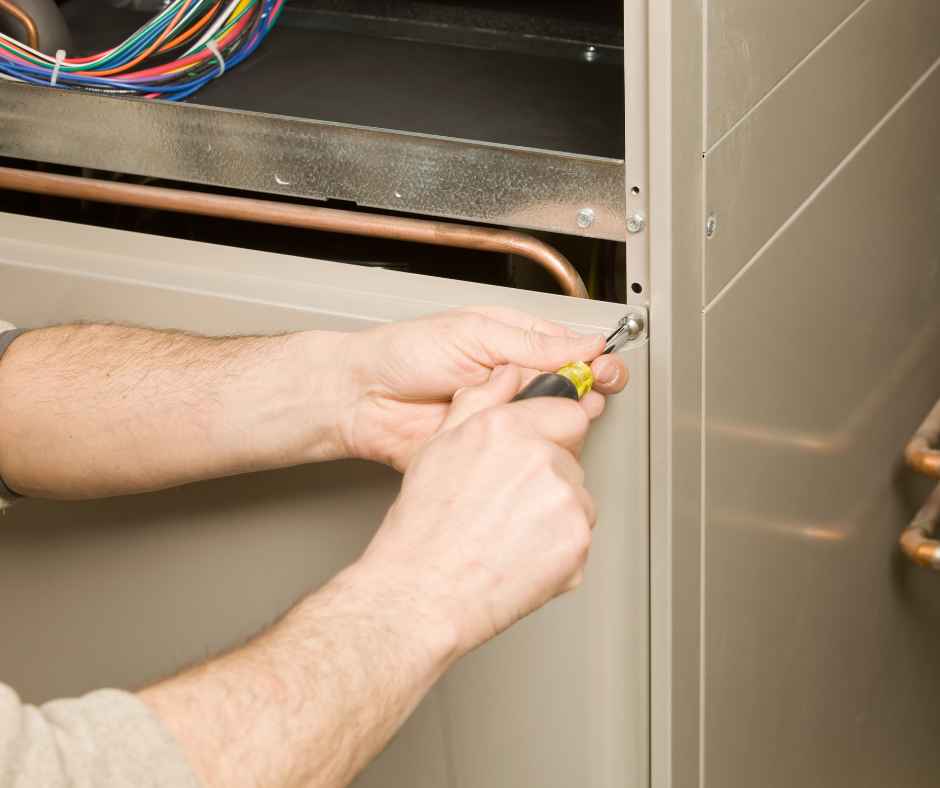
How to Lower Heating Bills Without Sacrificing Comfort in Massachusetts Homes
Surviving a Massachusetts winter requires more than just a heavy coat and a snow shovel. For homeowners across the state,
Surviving a Massachusetts winter requires more than just a heavy coat and a snow shovel. For homeowners across the state,
25 Plumbing Tips Every Massachusetts Homeowner Should Know
Keep your water flowing smoothly with advice from the experts at MillTown Plumbing, Heating, Cooling & Electrical When it comes
Keep your water flowing smoothly with advice from the experts at MillTown Plumbing, Heating, Cooling & Electrical When it comes
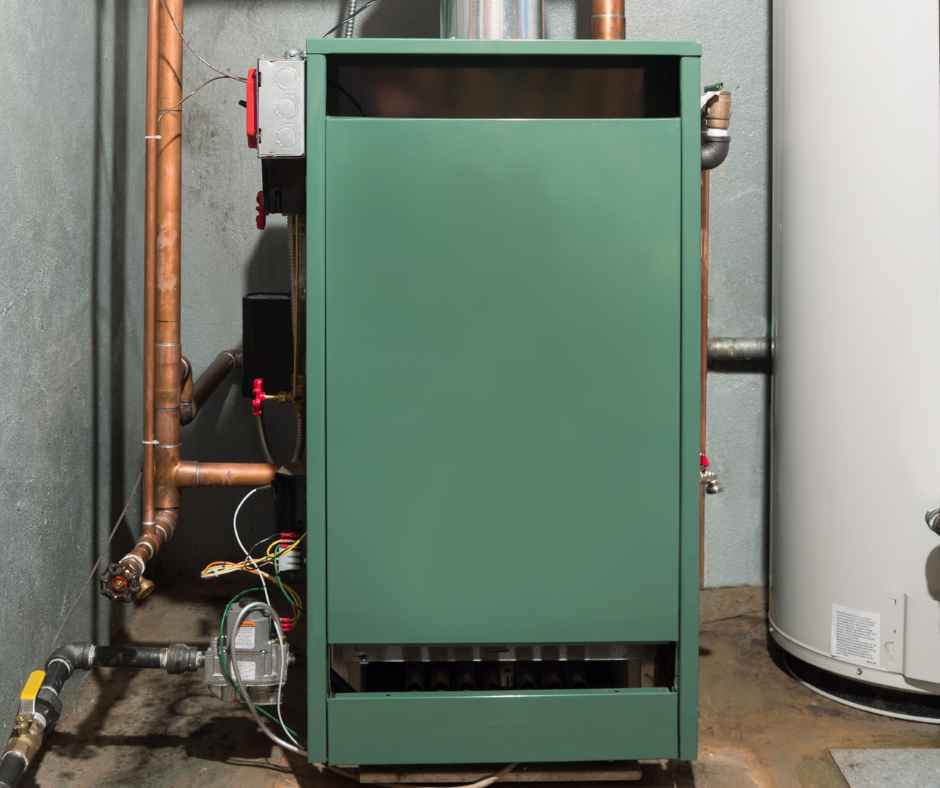
Common Winter HVAC Issues in Massachusetts Homes and When to Call for Service
Massachusetts winters bring freezing temperatures, heavy snowfall, and extended periods of cold weather that place constant strain on home heating
Massachusetts winters bring freezing temperatures, heavy snowfall, and extended periods of cold weather that place constant strain on home heating
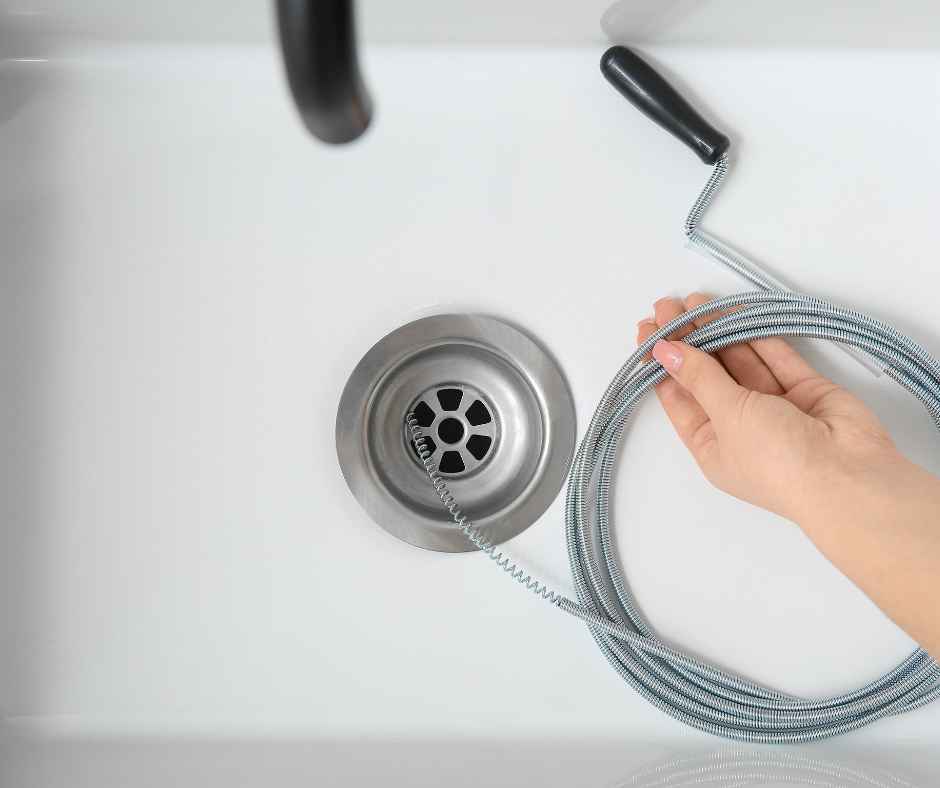
Why Professional Drain Cleaning Is Essential Before Holiday Gatherings
The holidays are all about gathering with family, cooking big meals, and making lasting memories. But before guests arrive and
The holidays are all about gathering with family, cooking big meals, and making lasting memories. But before guests arrive and
Areas In Mass We Service
Acton, MA
Andover, MA
Arlington, MA
Ayer, MA
Bedford, MA
Berlin, MA
Billerica, MA
Bolton, MA
Boxborough, MA
Burlington, MA
Carlisle, MA
Chelmsford, MA
Clinton, MA
Concord, MA
Devens, MA
Dracut, MA
Dunstable, MA
Fitchburg, MA
Georgetown, MA
Groton, MA
Groveland, MA
Harvard, MA
Haverhill, MA
Hudson, MA
Lancaster, MA
Lawrence, MA
Leominster, MA
Lexington, MA
Lincoln, MA
Littleton, MA
Lowell, MA
Lunenburg, MA
Marlborough, MA
Maynard, MA
Methuen, MA
North Andover, MA
North Billerica, MA
North Chelmsford, MA
North Reading, MA
Pepperell, MA
Reading, MA
Shirley, MA
Stoneham, MA
Stow, MA
Sudbury, MA
Tewksbury, MA
Townsend, MA
Tyngsborough, MA
Wakefield, MA
Waltham, MA
Wayland, MA
West Groton, MA
Westford, MA
Weston, MA
Wilmington, MA
Woburn, MA
