★ Locally Trusted With 3193+ 5-Star Reviews ★

Back to Blog
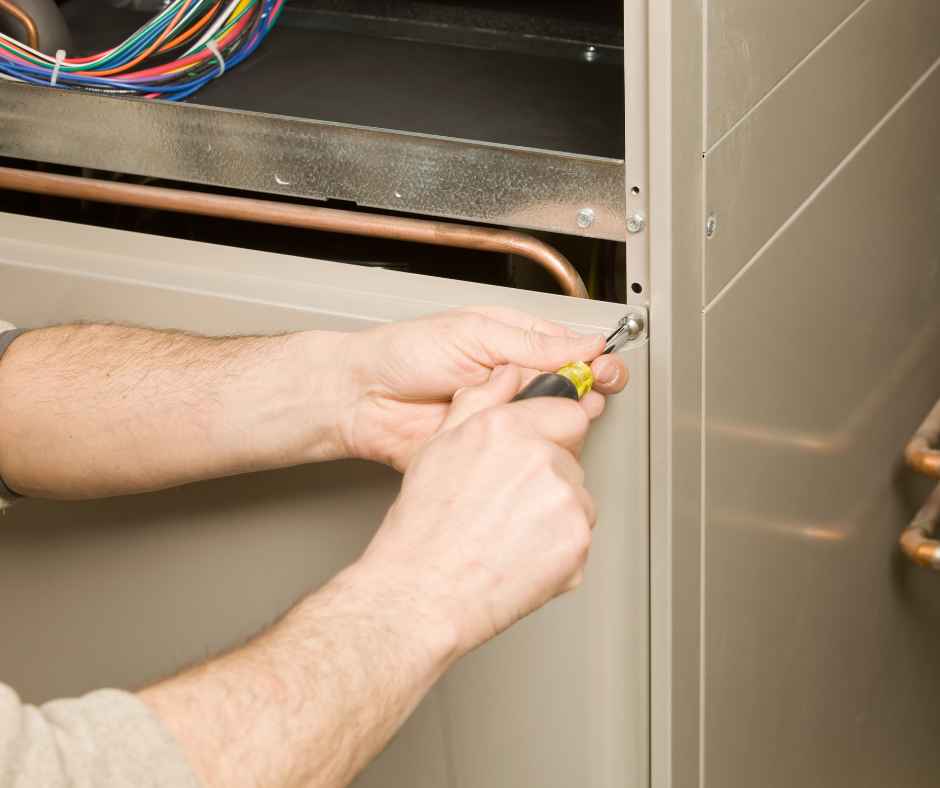
How to Lower Heating Bills Without Sacrificing Comfort in Massachusetts Homes
Surviving a Massachusetts winter requires more than just a heavy coat and a snow shovel. For homeowners across the state, the arrival of January often brings a sense of dread as heating bills begin to climb. The challenge of keeping a home warm in the Northeast is significant, especially amid fluctuating prices for natural gas, heating oil, and electricity. Many families feel forced to choose between a comfortable indoor temperature and a manageable monthly budget.
At MillTown Plumbing, Heating, Cooling & Electrical, we believe you should not have to sacrifice your well-being to save money. By combining professional maintenance with the latest state incentives, you can enjoy a cozy home while keeping more of your hard-earned money in your pocket.
The Thermostat Strategy: Finding the 68-Degree Sweet Spot
One of the most effective ways to lower your energy consumption is to master your thermostat settings. According to the Department of Energy, setting your thermostat to 68 degrees Fahrenheit while you are awake and at home provides a good balance of comfort and savings. For every degree you lower the heat for an eight-hour period, you can save approximately one percent on your annual heating bill. In a season when Massachusetts electric baseboard heating costs are projected to rise by roughly 6%, these small adjustments can prevent your monthly expenses from spiraling.
To maximize your efficiency without feeling the chill, try following this daily schedule:
- At Home and Awake (68°F): This is the ideal baseline. Most people find this comfortable when wearing a sweater or warm socks, and it minimizes the rate at which heat escapes from your home.
- Sleeping or Away (58°F – 62°F): Dropping the temperature by 7 to 10 degrees for 8 hours a day can reduce your annual heating and cooling costs by up to 10 percent.
- The Winter Minimum (55°F): While it is tempting to turn the heat off entirely when you go on vacation, you should never let your home drop below 55°F. This ensures that the pipes tucked inside your outer walls do not freeze during a deep New England freeze.
- The Smart Solution: A programmable or smart thermostat can automate these changes. You can set it to warm the house up thirty minutes before you wake up, so you never have to step out of bed into a cold room.
Navigating Mass Save: 2026 Rebate Updates and Incentives
Massachusetts is home to one of the most robust energy efficiency programs in the country. However, the Mass Save program has undergone significant changes for the 2026 calendar year. It is vital for homeowners to understand these new rules to maximize their return on investment. While some incentive levels have decreased, substantial financial support remains available for those who choose high-efficiency upgrades.
As of January 1, 2026, the updated rebate structure includes:
- Whole-Home Heat Pump Rebates: The incentive has decreased to $2,650 per ton, with a new maximum cap of $8,500 per home.
- Partial-Home Heat Pump Rebates: These now offer $1,125 per ton, capped at $8,500.
- Refrigerant Eligibility: To comply with new environmental standards, heat pumps using R410A refrigerant are no longer eligible for Mass Save rebates. Your new system must use next-generation refrigerants, such as R-32 or R-454B, to qualify.
- Federal Tax Credit Update: It is important to note that the federal residential energy tax credits (IRA Section 25C) for heat pumps expired at the end of 2025. This makes the state-level Mass Save rebates even more critical for offsetting your installation costs.
- Continued Support: Despite these changes, the 0% interest HEAT Loan remains available for up to $25,000, helping to bridge the gap for major home efficiency projects.
Because these rules are subject to strict installation deadlines and equipment specifications, working with a certified installer is essential. At MillTown, we stay current on every program change to ensure our customers receive every dollar they are entitled to.
The Hidden Drain: Maintenance and Airflow Optimization
Even the most expensive heating system will perform poorly if it is not properly maintained. A system that is struggling to move air will run longer and consume more fuel, leading to higher bills and unnecessary wear on mechanical parts. According to the U.S. Department of Energy, simply replacing a dirty, clogged filter with a clean one can lower your heating system’s energy consumption by up to 15 percent.
To keep your system running efficiently, focus on these maintenance essentials:
- Monthly Filter Checks: During the peak of a Massachusetts winter, you should check your furnace or heat pump air filter every 30 days. If it looks gray or dusty, replace it immediately to restore full airflow.
- Venting and Register Care: Walk through your home and ensure that furniture, rugs, or heavy curtains are not blocking your heat registers. Obstructed vents force your blower motor to work harder, which spikes your electricity usage.
- Professional Calibration: A professional tune-up involves more than just a visual check. Technicians clean the burners, test the ignition system, and ensure the heat exchanger is free of cracks. This ensures that every therm of gas or gallon of oil is converted into as much heat as possible.
- Boiler System Bleeding: If you have a radiator system, air bubbles can get trapped inside, creating cold spots. Bleeding your radiators ensures that hot water circulates freely, allowing your home to reach your desired temperature faster.
Regular maintenance is not just about efficiency; it is also about reliability. Most heating system failures happen on the coldest nights of the year when the system is under the most stress. A well-maintained unit is far less likely to leave you in a mid-winter emergency.
Passive Heating Hacks: Using Sunlight and Air Circulation
You can supplement your heating system by using natural heat sources and improving how air moves through your home. These low-cost “hacks” can make a noticeable difference in how warm a room feels without costing a cent in fuel. In a climate like Massachusetts, where winter days are short but often bright, these strategies are particularly effective.
Try these simple techniques to keep your home cozy:
- Maximize Solar Gain: Open your south-facing curtains and blinds during the day to let the sun naturally warm your living spaces. The sunlight provides free radiant heat that can keep a room comfortable even when the outdoor temperature is near freezing.
- Reverse Your Ceiling Fans: Most ceiling fans have a small switch on the motor housing that reverses the blade direction to clockwise. At a low speed, this creates an updraft that pushes the warm air trapped at the ceiling back down toward the floor, where you can feel it.
- Install Thermal Curtains: Switch to heavy, insulated, or blackout curtains during the winter months. These curtains serve as an additional layer of insulation, significantly reducing heat loss through the glass at night.
- Block the Breezes: Use “draft dodgers” or weighted fabric snakes at the base of exterior doors and on window sills. Even a tiny gap can let in a significant amount of cold air, forcing your heater to run more frequently.
- Strategic Landscaping: If you have deciduous trees on the south side of your home, ensure they are trimmed. These trees are perfect for passive heating because they lose their leaves in winter, allowing the sun to hit your windows, while providing shade in the summer.
Long-Term Efficiency: When to Upgrade Your System
While maintenance and behavioral changes go a long way, there comes a point where an aging heating system is simply too inefficient to justify. Most gas furnaces in Massachusetts have a reliable lifespan of about 15 to 20 years. If your system was installed in the early 2000s, you are likely spending significantly more on fuel than you need to. Modern high-efficiency systems can convert nearly 98 percent of their fuel into usable heat, whereas older “standard” models might only reach 80 percent efficiency. This means 20 cents of every dollar you spend is literally going up the chimney as waste.
If you are unsure whether to repair or replace, look for these specific indicators that an upgrade is overdue:
- Rising Energy Bills: If your utility costs are climbing even though fuel prices and your habits have remained steady, your system is likely losing its mechanical efficiency.
- Frequent Breakdowns: If you have called for repairs more than twice in the last two years, you are likely throwing “good money after bad” on a failing unit.
- The Age Milestone: Once a system passes the 15-year mark, the risk of a major component failure, such as a cracked heat exchanger, increases dramatically.
- Uneven Temperatures: Rooms that are noticeably colder than others often signal that an aging blower motor or boiler pump can no longer maintain the necessary pressure to distribute heat.
- The Five Thousand Rule: Multiply the cost of a repair by the age of the unit. If the result is more than 5,000, it is generally more cost-effective to invest that money into a new, warrantied system.
Transitioning to a cold-climate heat pump is an increasingly popular choice for local residents in 2026. These systems provide both heating and cooling in one unit and can operate efficiently even when outdoor temperatures drop well below zero. When combined with the $8,500 Mass Save rebate and the new reduced “heat pump rate” for winter electricity delivery, the long-term savings often far outweigh the initial investment.
A Warmer Home for a Lower Price
Managing your heating costs in Massachusetts does not have to be a source of constant stress. By implementing a smart thermostat strategy, taking advantage of the updated 2026 Mass Save incentives, and keeping your equipment in top condition, you can reclaim control over your winter budget. Remember that energy efficiency is a combination of many small improvements that add up to a significant impact.
At MillTown Plumbing, Heating, Cooling & Electrical, we are here to help you navigate the cold months with ease. Our experts can perform energy consultations, provide professional tune-ups, and help you transition to the latest high-efficiency technology.
Do not let another winter of high bills pass you by. Contact us today to learn how we can help you stay warm for less.
FAQ: Frequently Asked Questions
What is the best temperature for sleeping during a MA winter?
For most people, the ideal sleeping temperature is between 60 and 65 degrees. Not only does this help you save on heating costs, but cooler temperatures are also associated with better sleep quality. Just be sure to use warm bedding and keep the temperature high enough to prevent pipes in outer walls from freezing.
How much can a dirty air filter actually increase my bill?
A heavily clogged filter can increase your energy usage by 5% to 15%. Because the blower motor has to work much harder to pull air through the dirt, it stays on longer and consumes more electricity. Regularly changing your filter is one of the highest-return maintenance tasks you can perform.
Are heat pumps really effective in the extreme Massachusetts cold?
Yes, modern cold-climate heat pumps are designed specifically for regions like New England. They can extract heat from the outside air even at -13 degrees Fahrenheit. Many homeowners now use them as their primary heat source, often keeping their old system only as a backup for the most extreme “polar vortex” events.
How do I know if I qualify for the 2026 Mass Save rebates?
To qualify for most rebates, you must live in a one- to four-unit home and have an account with a participating utility company, such as National Grid or Eversource. The first step is always to schedule a no-cost Home Energy Assessment, which identifies the specific upgrades your home needs to become more efficient.
Recent News
Old Wiring vs. Modern Loads: When Does a Panel Upgrade Become a Safety Necessity in Middlesex County?
A panel upgrade becomes a safety necessity when an older Middlesex County home experiences frequent breaker trips, flickering lights, warm
A panel upgrade becomes a safety necessity when an older Middlesex County home experiences frequent breaker trips, flickering lights, warm
Hard Water & Tankless Systems: Why Massachusetts Mineral Buildup is Your Water Heater’s Worst Enemy
Tankless water heaters can be highly efficient, but mineral buildup can quietly reduce that performance over time. In Massachusetts homes,
Tankless water heaters can be highly efficient, but mineral buildup can quietly reduce that performance over time. In Massachusetts homes,
The Cost of Inefficiency: A Deep Dive Into SEER2 Ratings for Massachusetts Homeowners
SEER2 ratings matter because they show how efficiently an air conditioner or heat pump cools your home under updated testing
SEER2 ratings matter because they show how efficiently an air conditioner or heat pump cools your home under updated testing
How to Prepare Your Heating System for a Sudden New England Cold Snap
In New England, the weather can shift from a mild afternoon to a bone-chilling freeze in a matter of hours.
In New England, the weather can shift from a mild afternoon to a bone-chilling freeze in a matter of hours.

25 Plumbing Tips Every Massachusetts Homeowner Should Know
Keep your water flowing smoothly with advice from the experts at MillTown Plumbing, Heating, Cooling & Electrical When it comes
Keep your water flowing smoothly with advice from the experts at MillTown Plumbing, Heating, Cooling & Electrical When it comes
Common Winter HVAC Issues in Massachusetts Homes and When to Call for Service
Massachusetts winters bring freezing temperatures, heavy snowfall, and extended periods of cold weather that place constant strain on home heating
Massachusetts winters bring freezing temperatures, heavy snowfall, and extended periods of cold weather that place constant strain on home heating
Why Professional Drain Cleaning Is Essential Before Holiday Gatherings
The holidays are all about gathering with family, cooking big meals, and making lasting memories. But before guests arrive and
The holidays are all about gathering with family, cooking big meals, and making lasting memories. But before guests arrive and
Areas In Mass We Service
Acton, MA
Andover, MA
Arlington, MA
Ayer, MA
Bedford, MA
Berlin, MA
Billerica, MA
Bolton, MA
Boxborough, MA
Burlington, MA
Carlisle, MA
Chelmsford, MA
Clinton, MA
Concord, MA
Devens, MA
Dracut, MA
Dunstable, MA
Fitchburg, MA
Georgetown, MA
Groton, MA
Groveland, MA
Harvard, MA
Haverhill, MA
Hudson, MA
Lancaster, MA
Lawrence, MA
Leominster, MA
Lexington, MA
Lincoln, MA
Littleton, MA
Lowell, MA
Lunenburg, MA
Marlborough, MA
Maynard, MA
Methuen, MA
North Andover, MA
North Billerica, MA
North Chelmsford, MA
North Reading, MA
Pepperell, MA
Reading, MA
Shirley, MA
Stoneham, MA
Stow, MA
Sudbury, MA
Tewksbury, MA
Townsend, MA
Tyngsborough, MA
Wakefield, MA
Waltham, MA
Wayland, MA
West Groton, MA
Westford, MA
Weston, MA
Wilmington, MA
Woburn, MA
