★ Locally Trusted With 3193+ 5-Star Reviews ★

Back to Blog
25 Plumbing Tips Every Massachusetts Homeowner Should Know
Keep your water flowing smoothly with advice from the experts at MillTown Plumbing, Heating, Cooling & Electrical
When it comes to home comfort, few systems work harder than your plumbing. From morning showers to dinner clean-up, your plumbing system is working quietly in the background, delivering the comfort you deserve … until something goes wrong.
The good news?
A few smart habits and quick checks can prevent most leaks, clogs, and water damage before they start.
Here are 25 pro plumbing tips from your friends at MillTown to help keep your plumbing system running strong.
Everyday Habits That Prevent Plumbing Problems
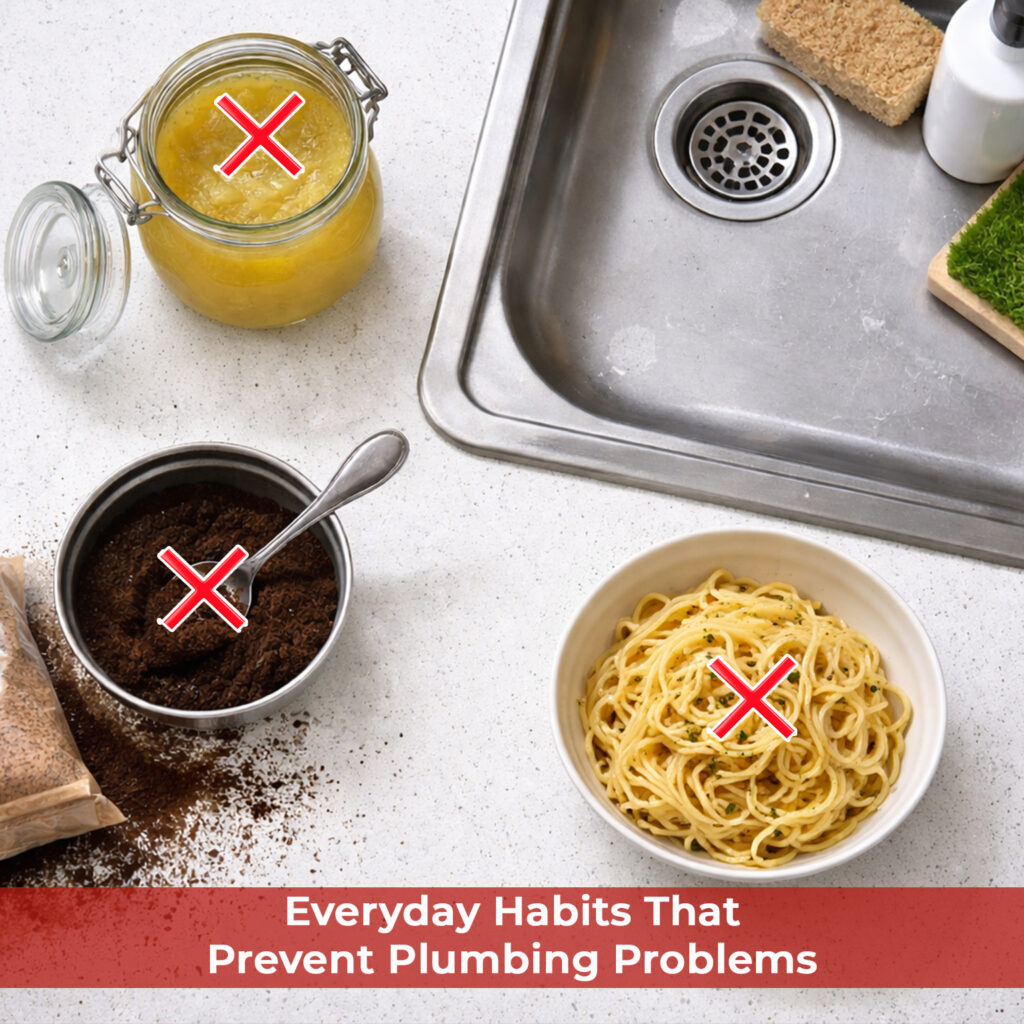
1. Don’t Pour Grease or Oil Down the Drain
Grease, fats and oils may go in as a liquid, but they don’t stay that way. Over time, they cool, harden, and clog your pipes. Instead, pour these items into a container and toss them in the trash or compost bin. Other items not to put down your drain:
- Coffee grounds
- Eggshells
- Pasta, rice & starchy foods
- Produce scraps (potato peels, celery, corn husks)
- Food waste in large amounts
- Hair
- Soap scum buildup
- Baby wipes & makeup wipes (even “flushable” ones)
- Paper towels, tissues & cotton products
- Dental floss
- Cat litter
- Medications
- Paint, solvents & chemicals
- Dirt, sand & debris
2. Use Sink Strainers
Catch food scraps, hair, and soap residue before they cause a clog. A $2 strainer can save you hundreds in plumbing bills.
3. Think Before You Flush
Toilet paper only — everything else belongs in the trash. That includes wipes (even “flushable” ones), paper towels, cotton swabs, and personal hygiene products.
4. Flush the Kitchen Sink with Hot Water
After washing dishes, run hot water for 20–30 seconds. This melts away trace grease before it sticks to your pipes.
5. Ditch the Bars of Soap
Switch to liquid body wash. It leaves less residue in your pipes and helps prevent clogs from forming over time.
Winter-Proof Your Pipes (Especially in New England!)
6. Know Where Your Main Water Shutoff Is Located
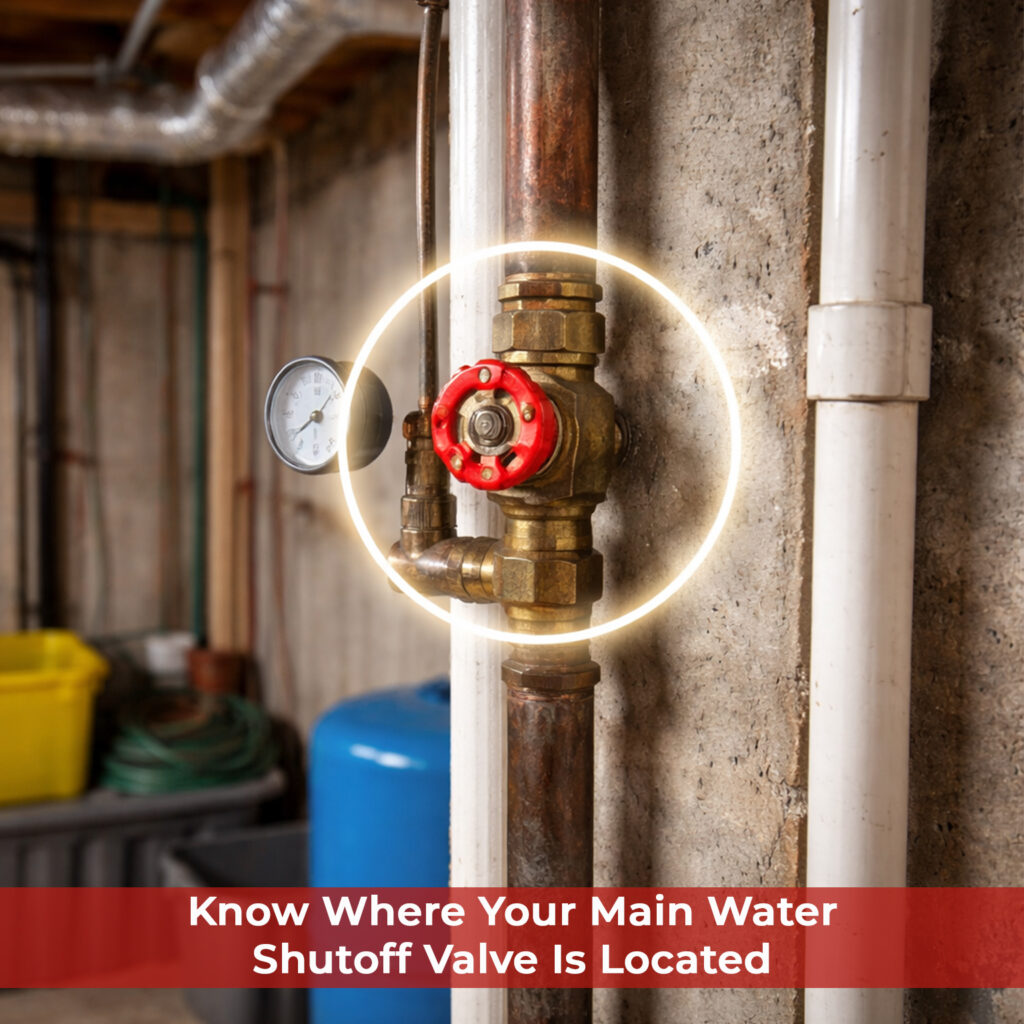
If a pipe bursts, shutting off your water quickly can minimize damage. Find your shutoff valve now — not during an emergency.
7. Keep Your Main Sewer Drain Accessible
If your plumber can’t reach the main drain, they can’t fix a blockage quickly. Make sure it’s not hidden under rugs, furniture, or storage boxes.
8. Protect Pipes from Freezing
Insulate exposed pipes in unheated areas, let faucets drip during extreme cold, and keep cabinet doors open under sinks to allow warm air to circulate. Frozen pipes are one of the biggest winter headaches for Massachusetts homeowners and they can burst without warning.
9. Watch for Signs of Trouble
A bulging pipe, poor water flow, or frost buildup may mean a freeze is coming.
DIY Smarts (and When to Call a Pro)
10. Skip Chemical Drain Cleaners
They may clear a clog fast, but they also corrode your pipes over time. If you’re dealing with a stubborn clog, call a licensed plumber.
11. Use Plumber’s Tape
Wrap Teflon tape 3–4 times around pipe threads before tightening fittings to prevent leaks. White for water, yellow for gas.
12. Don’t Over-Tighten Fittings
“Hand-tight is just right.” Cranking too hard can crack seals or strip threads, turning a quick fix into a bigger problem.
13. Use the Right Tools
Plumbing tools are specialized for a reason. Avoid forcing fittings or improvising with hardware tools, which can be a fast track to broken pipes.
14. Avoid Puncturing Pipes
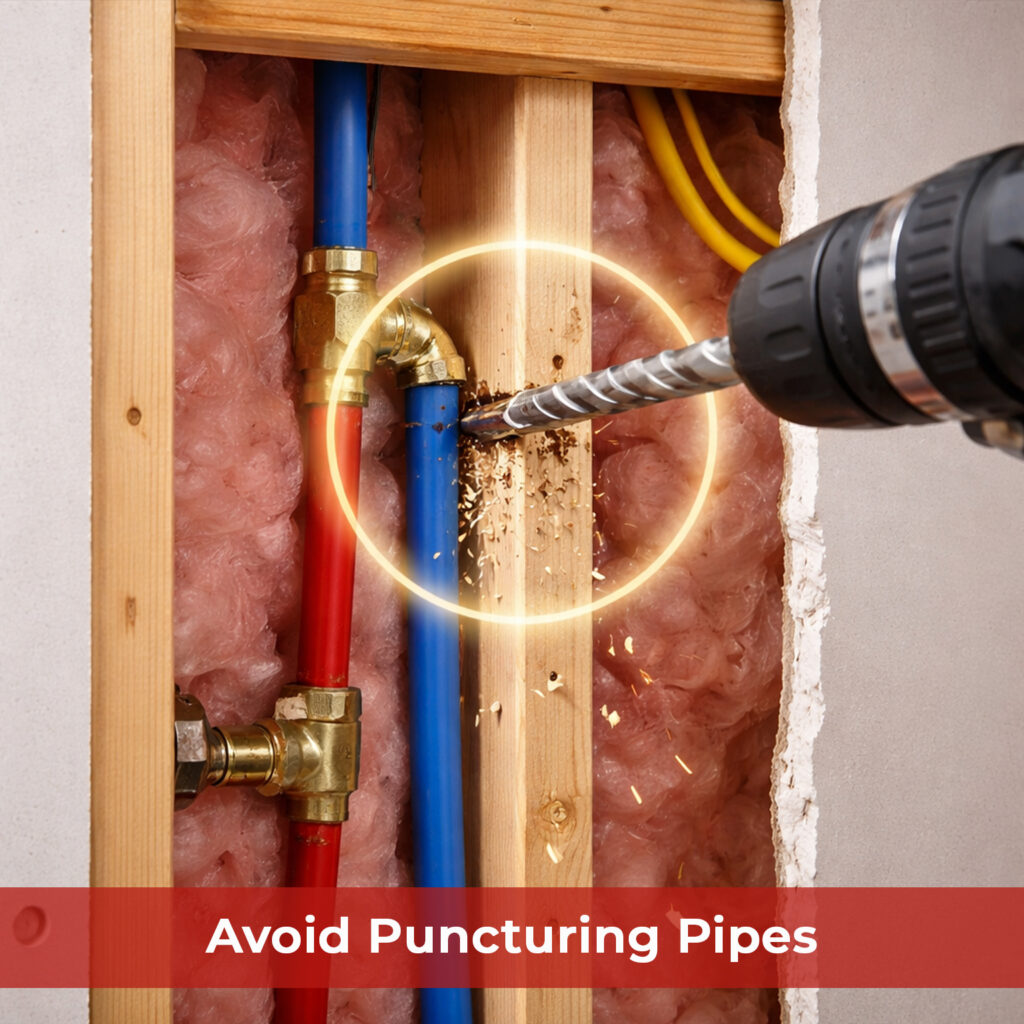
Before drilling into walls or floors, use a stud finder to locate plumbing lines. One misplaced screw can lead to a costly leak.
15. Get a Good Plunger (Two, Actually)
Keep one plunger for sinks and another for toilets. Quality matters! It can mean the difference between a minor clog and an overflowing mess.
Protect Your Plumbing Investment
16. Schedule a Home Plumbing Inspection
An annual inspection can catch small issues before they become expensive repairs and help protect your home’s value. If you’re a Service Partner Plan member, this visit is already included.
17. Watch for Leaks (Even Small Ones)
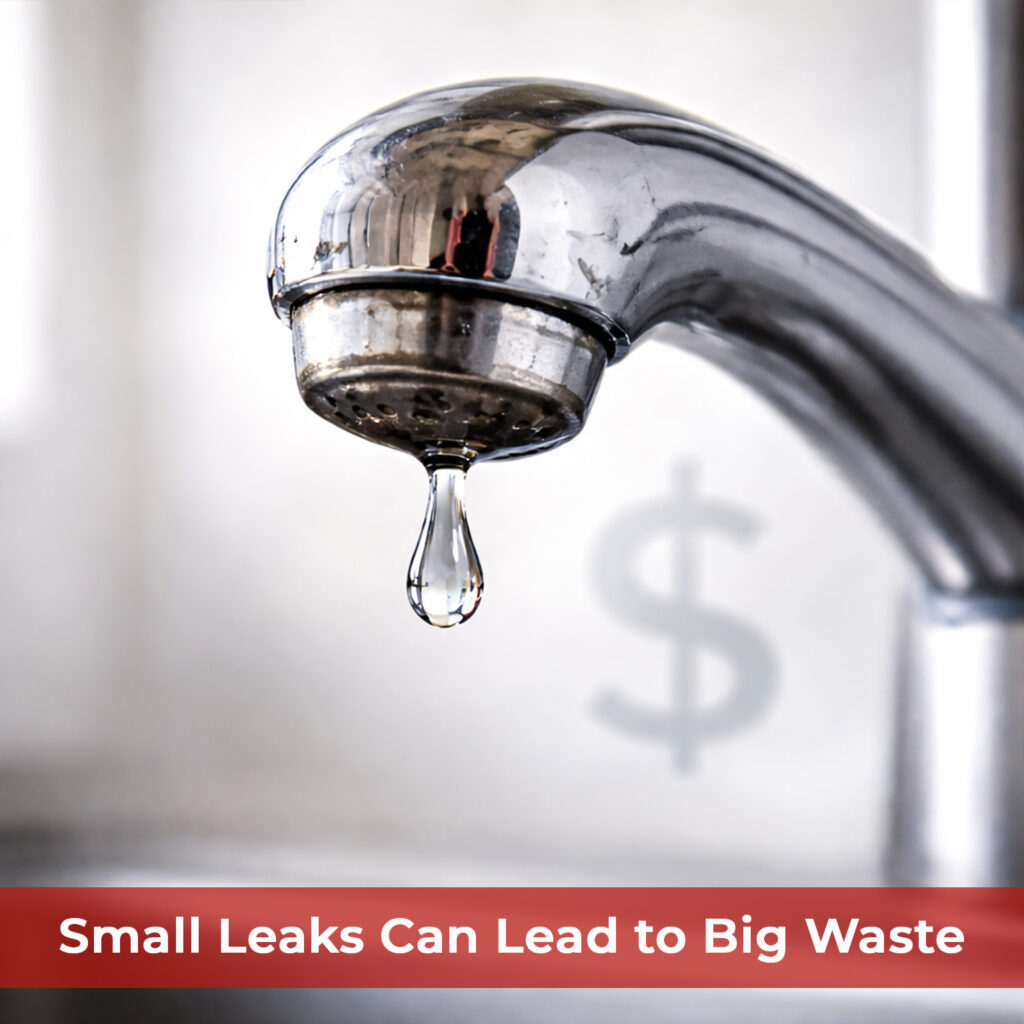
A single dripping faucet can waste over 3,000 gallons of water per year. Fix leaks early to save money and water.
18. Check Your Water Pressure
High pressure might feel great in the shower but can strain your pipes. Ideal home pressure is 50–70 psi. A pressure-reducing valve can help if yours runs too high.
19. Know Your Water Heater’s Age
Traditional tanked heaters last about 8–10 years. If yours is older, it’s time to consider a replacement before it fails and floods.
20. Add Shut-Off Valves for Key Fixtures
Installing local shut-offs under sinks and toilets lets you isolate problems without cutting water to your entire home.
MillTown Pro Tips for a Happier Home
21. Capture What’s in Your Walls

Renovating? Snap photos of your plumbing and electrical lines before closing up walls. Future-you (and your plumber) will thank you.
22. Kitchen Sprayer Hack
If your sprayer hose catches on valves under the sink, cover them with foam pipe insulation for smooth movement.
23. Body Wash > Bar Soap
(Yes, it’s worth repeating.) Liquid soaps prevent soap scum buildup that traps hair and causes clogs.
24. Listen to Your Pipes
Banging, rattling, whistling, or knocking noises aren’t “just old house sounds.” They can signal loose pipes, high water pressure, air in the lines, or failing valves. Catching unusual noises early can prevent leaks, pipe damage, and unexpected repairs down the road.
25. When in Doubt — Contact MillTown
DIY is great for small fixes, but when water’s involved, it’s better to be safe than soaked. Our licensed plumbing experts are here to help with repairs, inspections, and upgrades.
The Bottom Line
Good plumbing habits don’t just prevent headaches; they protect your home, your wallet, and your peace of mind.
If you’d rather not worry about it at all, join the MillTown Service Partner Plan for annual plumbing, HVAC and Electrical checks, priority scheduling, and exclusive discounts that keep your whole home happy all year long.
Recent News
Old Wiring vs. Modern Loads: When Does a Panel Upgrade Become a Safety Necessity in Middlesex County?
A panel upgrade becomes a safety necessity when an older Middlesex County home experiences frequent breaker trips, flickering lights, warm
A panel upgrade becomes a safety necessity when an older Middlesex County home experiences frequent breaker trips, flickering lights, warm
Hard Water & Tankless Systems: Why Massachusetts Mineral Buildup is Your Water Heater’s Worst Enemy
Tankless water heaters can be highly efficient, but mineral buildup can quietly reduce that performance over time. In Massachusetts homes,
Tankless water heaters can be highly efficient, but mineral buildup can quietly reduce that performance over time. In Massachusetts homes,
The Cost of Inefficiency: A Deep Dive Into SEER2 Ratings for Massachusetts Homeowners
SEER2 ratings matter because they show how efficiently an air conditioner or heat pump cools your home under updated testing
SEER2 ratings matter because they show how efficiently an air conditioner or heat pump cools your home under updated testing
How to Prepare Your Heating System for a Sudden New England Cold Snap
In New England, the weather can shift from a mild afternoon to a bone-chilling freeze in a matter of hours.
In New England, the weather can shift from a mild afternoon to a bone-chilling freeze in a matter of hours.
How to Lower Heating Bills Without Sacrificing Comfort in Massachusetts Homes
Surviving a Massachusetts winter requires more than just a heavy coat and a snow shovel. For homeowners across the state,
Surviving a Massachusetts winter requires more than just a heavy coat and a snow shovel. For homeowners across the state,
Common Winter HVAC Issues in Massachusetts Homes and When to Call for Service
Massachusetts winters bring freezing temperatures, heavy snowfall, and extended periods of cold weather that place constant strain on home heating
Massachusetts winters bring freezing temperatures, heavy snowfall, and extended periods of cold weather that place constant strain on home heating
Why Professional Drain Cleaning Is Essential Before Holiday Gatherings
The holidays are all about gathering with family, cooking big meals, and making lasting memories. But before guests arrive and
The holidays are all about gathering with family, cooking big meals, and making lasting memories. But before guests arrive and
Areas In Mass We Service
Acton, MA
Andover, MA
Arlington, MA
Ayer, MA
Bedford, MA
Berlin, MA
Billerica, MA
Bolton, MA
Boxborough, MA
Burlington, MA
Carlisle, MA
Chelmsford, MA
Clinton, MA
Concord, MA
Devens, MA
Dracut, MA
Dunstable, MA
Fitchburg, MA
Georgetown, MA
Groton, MA
Groveland, MA
Harvard, MA
Haverhill, MA
Hudson, MA
Lancaster, MA
Lawrence, MA
Leominster, MA
Lexington, MA
Lincoln, MA
Littleton, MA
Lowell, MA
Lunenburg, MA
Marlborough, MA
Maynard, MA
Methuen, MA
North Andover, MA
North Billerica, MA
North Chelmsford, MA
North Reading, MA
Pepperell, MA
Reading, MA
Shirley, MA
Stoneham, MA
Stow, MA
Sudbury, MA
Tewksbury, MA
Townsend, MA
Tyngsborough, MA
Wakefield, MA
Waltham, MA
Wayland, MA
West Groton, MA
Westford, MA
Weston, MA
Wilmington, MA
Woburn, MA
