★ Locally Trusted With 3193+ 5-Star Reviews ★

Back to Blog
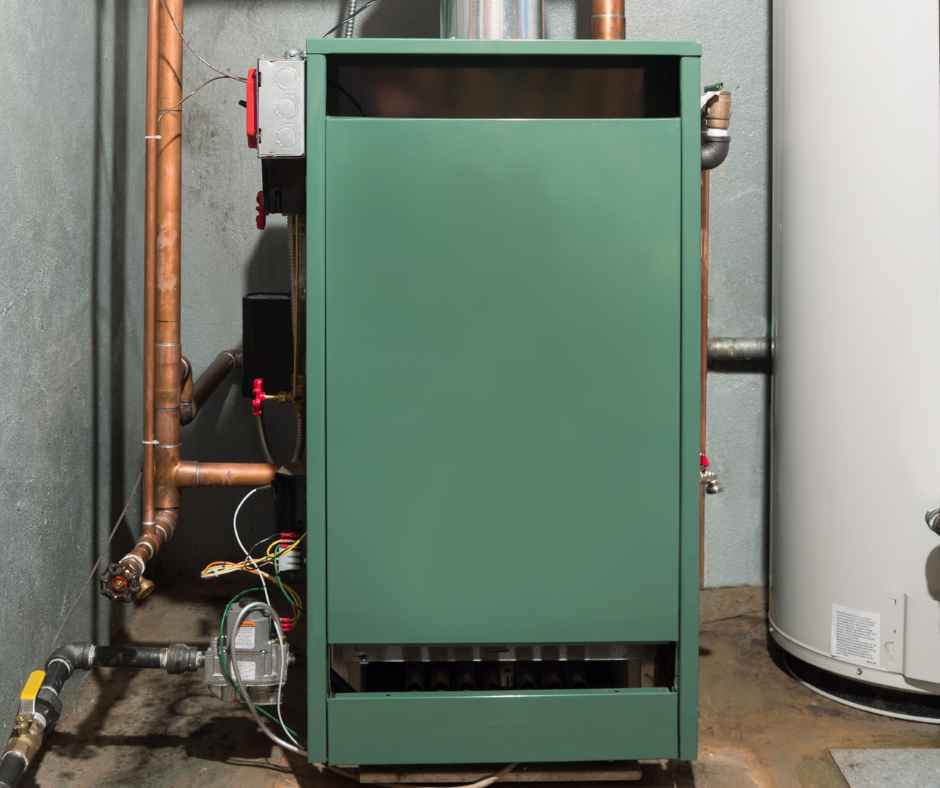
Common Winter HVAC Issues in Massachusetts Homes and When to Call for Service
Massachusetts winters bring freezing temperatures, heavy snowfall, and extended periods of cold weather that place constant strain on home heating systems. When temperatures drop, furnaces, boilers, and heat pumps work harder to maintain comfort, often revealing underlying issues that may not appear during the warmer months. Homeowners may notice uneven heating, strange sounds, weak airflow, or sudden system failures as the winter season progresses.
Because heating systems run almost nonstop during the coldest months, even small problems can grow quickly and lead to discomfort or safety concerns. Understanding the most common winter HVAC issues can help homeowners recognize early warning signs and know when professional service is the safest and most effective solution.
In this blog, we will explore the top heating problems Massachusetts homes experience in winter and explain when it is time to call the experts at MillTown Plumbing, Heating, Cooling & Electrical.
Why Massachusetts Winters Challenge HVAC Systems
Massachusetts homes face some of the toughest winter conditions in the country. Prolonged cold weather, coastal moisture, and frequent snowstorms place continuous pressure on heating systems. As temperatures fall, furnaces, boilers, and heat pumps must run for longer periods, which increases wear on key components and exposes weaknesses that might go unnoticed during milder seasons.
The outdoor environment also plays a major role in system performance. Snow and ice can collect around outdoor units, reducing airflow and causing potential freezing issues. Homes located in older neighborhoods may rely on aging equipment or outdated ductwork that struggles to keep up with modern heating demands. New England’s unpredictable temperature swings can cause systems to cycle more often, which leads to additional stress and higher energy use.
Common Heating Issues Homeowners See in Winter
Winter places heavy demands on heating systems, and Massachusetts homeowners often notice performance issues as temperatures drop. Many of these problems develop gradually and may worsen as the season continues. Recognizing common symptoms helps homeowners address issues early and prevent larger, more expensive repairs.
- Uneven heating can occur when certain rooms stay cold while others warm up quickly.
- Short cycling happens when the system turns on and off too frequently.
- Weak airflow may indicate clogged filters, duct problems, or blower motor issues.
- Strange noises such as banging, rattling, or squealing often signal worn or loose components.
- Thermostat malfunctions can cause inaccurate temperatures or unresponsive controls.
These issues can reduce comfort and increase energy use, and many require a professional inspection to identify the underlying cause.
Frozen or Blocked HVAC Components
Freezing temperatures in Massachusetts can cause key HVAC components to become blocked or iced over. When snow, ice, or debris restricts airflow around the system, performance drops quickly, and the equipment may struggle to keep the home warm. Heat pumps and high-efficiency furnaces are especially vulnerable because they rely on steady airflow to operate correctly.
Ice buildup around outdoor units is one of the most common winter problems. Snowdrifts can block airflow, while freezing rain can create ice layers that prevent the system from releasing heat. Blocked intake or exhaust vents can also cause the system to shut down for safety reasons, leaving homeowners without heat.
- Snow blocking outdoor units reduces airflow and causes the system to overwork.
- Ice forming on heat pump coils prevents proper heat exchange.
- Frozen intake or exhaust pipes can trigger system shutdowns.
- Debris or snow packed around outdoor equipment increases the risk of overheating.
- Persistent freezing issues often require professional service.
While homeowners can clear snow and light debris around the unit, recurring freezing or airflow problems should be evaluated by a trained technician to prevent damage and restore reliable heating.
Pilot Light and Ignition System Problems
Pilot light and ignition issues are common in Massachusetts homes during the winter months. As temperatures drop, furnaces work harder and ignition components experience more stress. Older systems with standing pilot lights may struggle to stay lit, while newer electronic igniters can fail due to wear, dirt buildup, or electrical problems. When the ignition system cannot start the furnace reliably, homeowners are left without heat.
Cold drafts, clogged burners, or failing sensors can interfere with the ignition process. Even minor issues can prevent the furnace from lighting safely, which can lead to repeated shutdowns or long delays before the system turns on. Because ignition components are tied to safety controls, these problems should always be handled with caution.
- A weak or flickering pilot light can signal a failing thermocouple.
- Igniters that do not glow or spark may need cleaning or replacement.
- Dirty burners can prevent proper ignition and reduce heating efficiency.
- Drafts in basements or utility rooms can blow out standing pilot flames.
- Frequent ignition retries often require a professional diagnosis.
Since ignition problems can involve gas flow or safety systems, homeowners should schedule professional service whenever the furnace fails to light or repeatedly shuts down.
Heat Loss from Poor Insulation or Air Leaks
Many Massachusetts homes, especially older constructions, struggle with heat loss during the winter. Poor insulation, drafty windows, and unsealed gaps allow warm air to escape while cold air enters the home. When this happens, the heating system must run longer to maintain a comfortable temperature, which increases energy use and puts extra strain on the furnace or boiler.
Heat loss can also create uneven heating throughout the home. Rooms with exterior walls, large windows, or insufficient insulation often remain cold even when the system is running properly. While insulation issues are not always caused by the HVAC system itself, they directly influence how well the system can heat the home.
- Drafts around doors and windows reduce indoor comfort.
- Uninsulated attics and basements allow large amounts of heat to escape.
- Duct leaks can cause conditioned air to be lost in unheated spaces.
- Old or damaged weatherstripping increases heat loss.
- Excessive heat loss forces the HVAC system to work harder than intended.
Homeowners can address some insulation concerns on their own, but persistent heating problems often require a professional evaluation to determine whether the HVAC system, ductwork, or home envelope is the source of the issue.
Thermostat and Control Issues in Cold Weather
Thermostats play an important role in maintaining comfort during the winter, and even small issues can cause noticeable heating problems. Cold weather often highlights thermostat failures because the system must respond more frequently to temperature changes. When the thermostat is not working correctly, the HVAC system may run too long, shut off too early, or fail to turn on at all.
Battery problems, calibration issues, and incorrect settings are among the most common winter concerns. Older thermostats may struggle to read the indoor temperature accurately, while newer smart thermostats may malfunction if their sensors become obstructed or if software settings are incorrect.
- Low batteries can cause delayed or inaccurate temperature readings.
- Calibration issues may lead to inconsistent indoor temperatures.
- Incorrect mode settings can prevent the system from heating properly.
- Placement near drafts or heat sources can impact thermostat performance.
- Persistent thermostat issues often require repair or replacement.
Addressing thermostat problems promptly helps ensure the heating system operates efficiently and maintains consistent comfort throughout the winter months.
Indoor Air Quality Problems in Winter
Indoor air quality often declines during the winter because homes stay closed for long periods to keep heated air inside. With limited fresh-air circulation, irritants such as dust, pet dander, and pollutants can build up more quickly. Heating systems also tend to dry out indoor air, which can cause discomfort and make certain HVAC issues more noticeable.
Dry air is one of the most common winter concerns. Low humidity can lead to dry skin, irritated sinuses, and static electricity throughout the home. Dust accumulation increases when humidity levels drop, and this can place additional strain on the HVAC system’s filters and air-handling components. Poor ventilation can also cause odors or stale air to linger longer than usual.
- Low humidity can make heated air feel colder than it is.
- Dry conditions can lead to respiratory irritation and discomfort.
- Dust and allergens tend to circulate more during the winter.
- Poor ventilation causes stale or musty air in closed spaces.
- Air-quality accessories may improve comfort and heating efficiency.
Addressing indoor air quality concerns can help improve comfort and support the HVAC system’s performance during the coldest months of the year.
Keep Your Heating System Reliable Through a Massachusetts Winter
Massachusetts winters can push heating systems to their limits, and even well-maintained equipment may struggle when temperatures drop or snow and ice begin to build around critical components. Recognizing early warning signs such as uneven heating, weak airflow, short cycling, or thermostat issues can help prevent small problems from turning into major repairs. Staying proactive with winter maintenance also reduces stress on the system and improves overall comfort during the coldest months of the year.
Whenever you notice persistent performance issues, unusual noises, or a complete loss of heat, professional help is the safest option. For dependable winter HVAC service, expert troubleshooting, and trusted heating repairs, contact MillTown Plumbing, Heating, Cooling & Electrical today.
Frequently Asked Questions
Why does my heating system smell strange when it first turns on in winter?
A slight burning smell is common when dust burns off the heat exchanger or electric elements. However, persistent odors such as mustiness, chemical smells, or smoke may indicate a clogged filter, electrical issue, or mold in the system. These should be checked by a professional.
Is it normal for my furnace to run more frequently during extreme cold?
Yes. When outdoor temperatures drop significantly, furnaces run longer to maintain indoor comfort. If the system runs continuously or struggles to reach the set temperature, there may be issues with airflow, insulation, or heating capacity.
Can closing vents in unused rooms help save energy in winter?
Closing vents often increases pressure in the ductwork and can cause airflow imbalances. This may lead to reduced efficiency or even system damage. It is generally better to keep vents open and ensure proper airflow throughout the home.
How often should I replace furnace filters during the winter season?
Most homes need filter changes every one to three months in winter, depending on filter type and indoor air conditions. Homes with pets, allergies, or high heating usage may require more frequent replacement.
Why does my heat pump not produce very warm air in cold weather?
Heat pumps move heat rather than generate it, so the air they produce feels cooler than air from fuel-based furnaces. In very cold weather, auxiliary heat may activate to maintain comfort. If the heat pump struggles to keep up, it may need a system check to improve performance.
Recent News
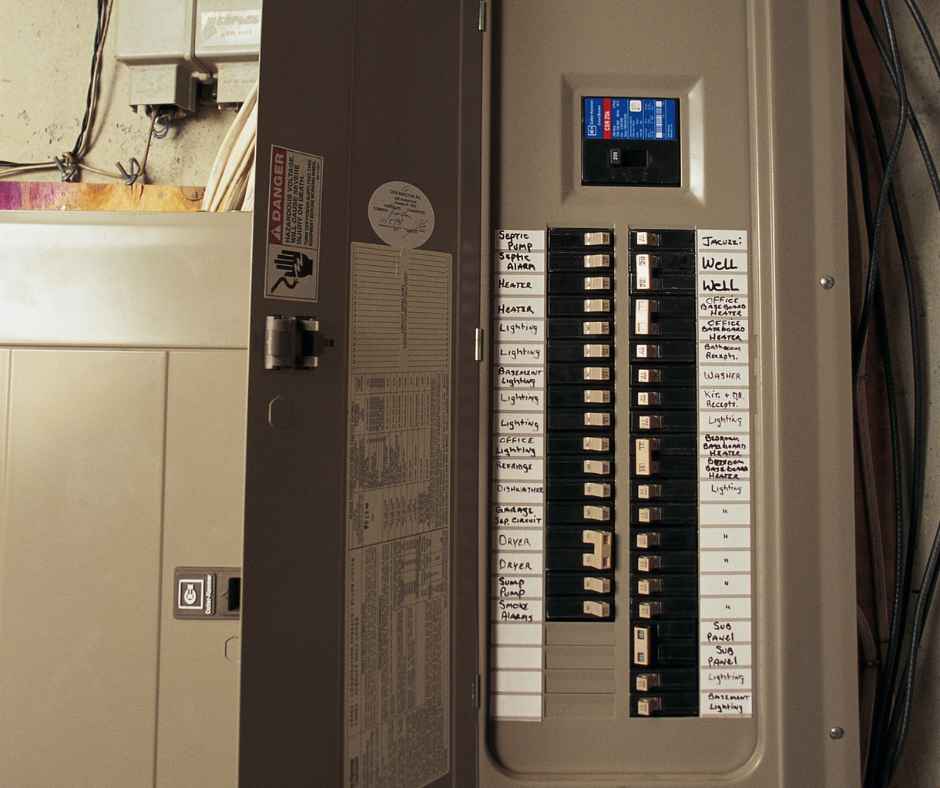
Old Wiring vs. Modern Loads: When Does a Panel Upgrade Become a Safety Necessity in Middlesex County?
A panel upgrade becomes a safety necessity when an older Middlesex County home experiences frequent breaker trips, flickering lights, warm
A panel upgrade becomes a safety necessity when an older Middlesex County home experiences frequent breaker trips, flickering lights, warm
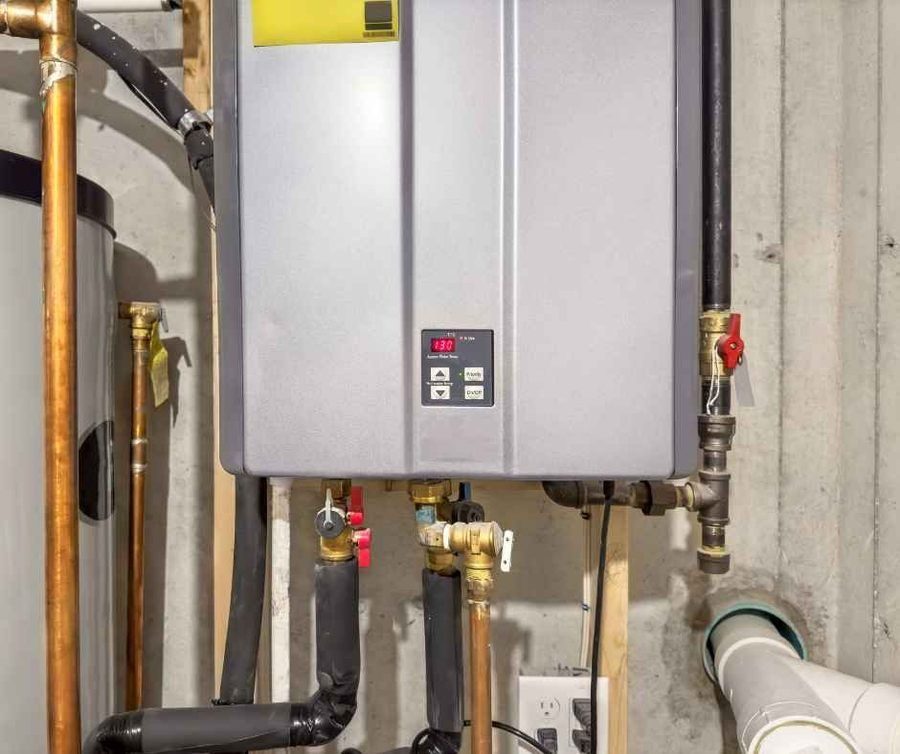
Hard Water & Tankless Systems: Why Massachusetts Mineral Buildup is Your Water Heater’s Worst Enemy
Tankless water heaters can be highly efficient, but mineral buildup can quietly reduce that performance over time. In Massachusetts homes,
Tankless water heaters can be highly efficient, but mineral buildup can quietly reduce that performance over time. In Massachusetts homes,
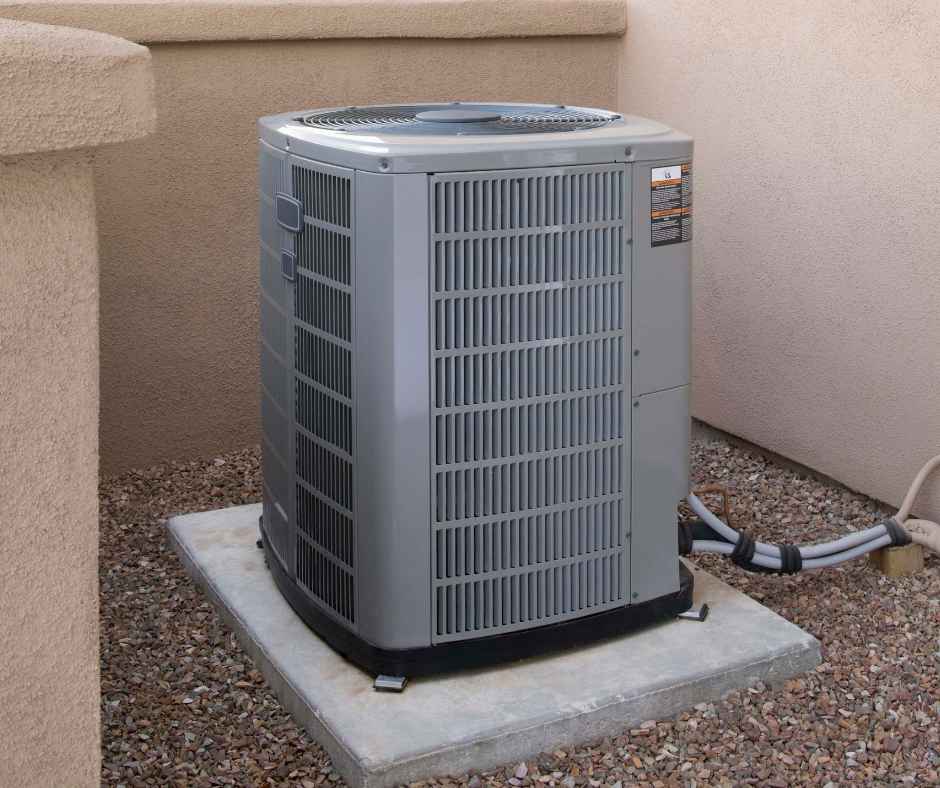
The Cost of Inefficiency: A Deep Dive Into SEER2 Ratings for Massachusetts Homeowners
SEER2 ratings matter because they show how efficiently an air conditioner or heat pump cools your home under updated testing
SEER2 ratings matter because they show how efficiently an air conditioner or heat pump cools your home under updated testing
How to Prepare Your Heating System for a Sudden New England Cold Snap
In New England, the weather can shift from a mild afternoon to a bone-chilling freeze in a matter of hours.
In New England, the weather can shift from a mild afternoon to a bone-chilling freeze in a matter of hours.
How to Lower Heating Bills Without Sacrificing Comfort in Massachusetts Homes
Surviving a Massachusetts winter requires more than just a heavy coat and a snow shovel. For homeowners across the state,
Surviving a Massachusetts winter requires more than just a heavy coat and a snow shovel. For homeowners across the state,

25 Plumbing Tips Every Massachusetts Homeowner Should Know
Keep your water flowing smoothly with advice from the experts at MillTown Plumbing, Heating, Cooling & Electrical When it comes
Keep your water flowing smoothly with advice from the experts at MillTown Plumbing, Heating, Cooling & Electrical When it comes
Why Professional Drain Cleaning Is Essential Before Holiday Gatherings
The holidays are all about gathering with family, cooking big meals, and making lasting memories. But before guests arrive and
The holidays are all about gathering with family, cooking big meals, and making lasting memories. But before guests arrive and
Areas In Mass We Service
Acton, MA
Andover, MA
Arlington, MA
Ayer, MA
Bedford, MA
Berlin, MA
Billerica, MA
Bolton, MA
Boxborough, MA
Burlington, MA
Carlisle, MA
Chelmsford, MA
Clinton, MA
Concord, MA
Devens, MA
Dracut, MA
Dunstable, MA
Fitchburg, MA
Georgetown, MA
Groton, MA
Groveland, MA
Harvard, MA
Haverhill, MA
Hudson, MA
Lancaster, MA
Lawrence, MA
Leominster, MA
Lexington, MA
Lincoln, MA
Littleton, MA
Lowell, MA
Lunenburg, MA
Marlborough, MA
Maynard, MA
Methuen, MA
North Andover, MA
North Billerica, MA
North Chelmsford, MA
North Reading, MA
Pepperell, MA
Reading, MA
Shirley, MA
Stoneham, MA
Stow, MA
Sudbury, MA
Tewksbury, MA
Townsend, MA
Tyngsborough, MA
Wakefield, MA
Waltham, MA
Wayland, MA
West Groton, MA
Westford, MA
Weston, MA
Wilmington, MA
Woburn, MA
