★ Locally Trusted With 3193+ 5-Star Reviews ★

Back to Blog
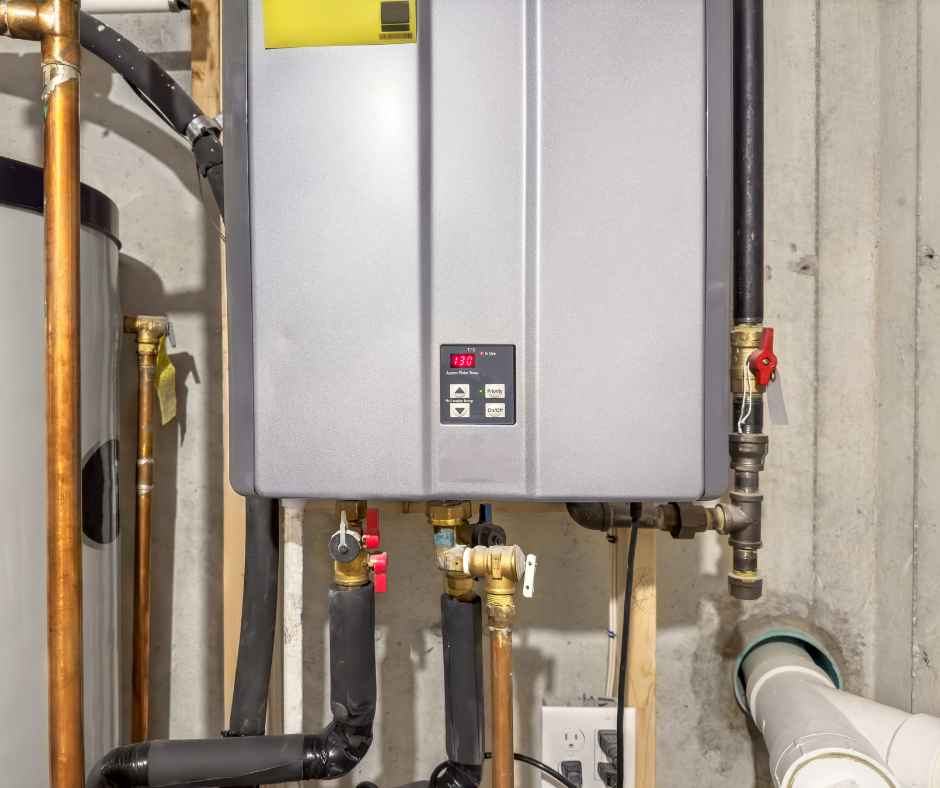
Tank vs. Tankless Water Heaters: Which Is Right for Your Home?
Hot water is something every household relies on daily, from morning showers to running the dishwasher at night. Yet many homeowners don’t think about their water heater until something goes wrong. Choosing the right system is important not just for comfort but also for efficiency, long-term costs, and overall convenience. The big question most people face is whether to stick with a traditional tank water heater or invest in a tankless model. Each option has its own benefits and drawbacks, and the best choice depends on your family’s lifestyle and budget.
In this blog, we break down the differences so you can decide which system is the right fit for your home.
Understanding Traditional Tank Water Heaters
Traditional tank water heaters are the most common type found in homes across Massachusetts. These systems work by storing a large amount of water in an insulated tank, where it’s kept heated and ready for use. Whenever you turn on the hot water tap, the system delivers preheated water from the tank.
On average, tank water heaters last about 8 to 12 years, though this depends on water quality and how well the system is maintained. They require routine care, such as flushing the tank to remove sediment buildup and checking the anode rod to prevent corrosion. Without regular maintenance, efficiency can drop, and the lifespan of the unit may be reduced.
The biggest advantage of a tank system is affordability. Tank water heaters are less expensive to install and can usually meet the needs of larger households that use hot water throughout the day. However, they come with drawbacks as well. Once the stored hot water is used up, the tank needs time to refill and reheat. They also consume more energy since they constantly keep water hot, even when you’re not using it.
Understanding Tankless Water Heaters
Tankless water heaters, often called “on-demand” systems, work differently from traditional tanks. Instead of storing hot water, they heat it instantly as it flows through the unit. This means you’ll never run out of hot water, no matter how many showers or appliances are running at once, provided the system is properly sized for your household.
One of the biggest advantages of tankless systems is their efficiency. Since they don’t waste energy keeping a tank of water heated all day, they can significantly lower monthly utility bills. Homeowners also appreciate their compact design, which takes up less space compared to bulky tank units. With proper maintenance, tankless water heaters typically last 15 to 20 years, making them a longer-term investment.
There are some downsides to consider. The upfront installation cost of a tankless water heater is higher, and depending on your home’s plumbing and electrical setup, additional modifications may be required. Tankless systems also work best for homes with moderate and consistent hot water demand. For large families with multiple bathrooms running at the same time, a single unit may struggle unless properly sized or paired with a second system.
Key Factors to Consider When Choosing a Water Heater
Deciding between a tank and tankless water heater isn’t always simple. The right choice depends on your household’s needs, your budget, and your long-term goals. By weighing these key factors, you can narrow down which system makes the most sense for your home.
Household Size and Hot Water Demand
The size of your household plays a major role in choosing a water heater. Larger families often benefit from a traditional tank since it provides a large supply of ready-to-use hot water. On the other hand, smaller households or those with predictable hot water routines may find that a tankless system is more efficient and convenient.
Installation and Upfront Costs
Budget is another important consideration. Tank water heaters cost less to purchase and install, making them appealing for homeowners looking for a quick replacement. Tankless systems, however, require a higher upfront investment and may need additional modifications to your plumbing or electrical setup. Over time, their efficiency often offsets these initial costs through lower utility bills.
Energy Efficiency and Savings
Energy efficiency is where tankless systems typically shine. Since they only heat water when it’s needed, they reduce standby energy loss and help lower monthly bills. Traditional tanks, by comparison, use energy around the clock to keep water hot, which can lead to higher operating costs over the years.
Which Water Heater Is Best for Your Massachusetts Home?
When deciding between a tank and a tankless water heater, there isn’t a one-size-fits-all answer. The right choice depends on your household size, lifestyle, and long-term goals. Massachusetts homeowners also need to consider the local climate, where cold winters can put extra demand on water heating systems.
For larger families with multiple bathrooms in use at the same time, a traditional tank water heater may provide the most reliable supply. These systems are straightforward, affordable, and capable of delivering enough hot water for high-demand households. However, they come with higher energy use and shorter lifespans compared to tankless units.
Homeowners who want improved efficiency, endless hot water, and a longer-lasting investment may find that a tankless system is the better option. While the upfront cost is higher, the long-term savings on energy bills and reduced maintenance needs often outweigh the initial expense. Tankless units are especially appealing for smaller to mid-sized households or for those looking to free up space in their home.
No matter which system you choose, the licensed professionals at MillTown Plumbing, Heating, Cooling & Electrical can help you make the best decision. Our team considers your household’s needs, budget, and long-term goals to recommend the perfect solution.
Wrap-Up: Call MillTown Plumbing, Heating, Cooling & Electrical
Both tank and tankless water heaters have clear advantages, but the right choice comes down to what fits your household best. If you value lower upfront costs and a steady supply of hot water for a large family, a traditional tank system may be the way to go. If long-term savings, efficiency, and endless hot water are your priorities, a tankless unit could be the smarter investment.
No matter which option you choose, expert installation and guidance are key to making sure your water heater runs safely and efficiently. That’s where MillTown Plumbing, Heating, Cooling & Electrical comes in. Our team has the experience to help you compare options, select the best system for your needs, and install it the right way.
Contact us today to schedule your water heater consultation and find the perfect solution for your home.
Recent News
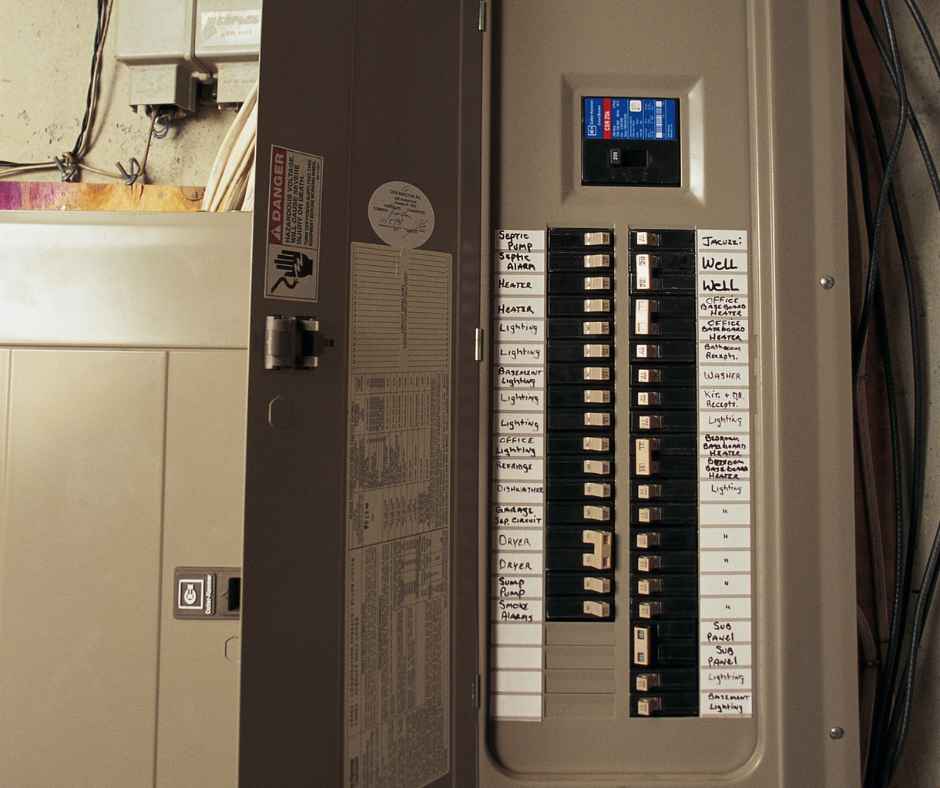
Old Wiring vs. Modern Loads: When Does a Panel Upgrade Become a Safety Necessity in Middlesex County?
A panel upgrade becomes a safety necessity when an older Middlesex County home experiences frequent breaker trips, flickering lights, warm
A panel upgrade becomes a safety necessity when an older Middlesex County home experiences frequent breaker trips, flickering lights, warm
Hard Water & Tankless Systems: Why Massachusetts Mineral Buildup is Your Water Heater’s Worst Enemy
Tankless water heaters can be highly efficient, but mineral buildup can quietly reduce that performance over time. In Massachusetts homes,
Tankless water heaters can be highly efficient, but mineral buildup can quietly reduce that performance over time. In Massachusetts homes,
The Cost of Inefficiency: A Deep Dive Into SEER2 Ratings for Massachusetts Homeowners
SEER2 ratings matter because they show how efficiently an air conditioner or heat pump cools your home under updated testing
SEER2 ratings matter because they show how efficiently an air conditioner or heat pump cools your home under updated testing
How to Prepare Your Heating System for a Sudden New England Cold Snap
In New England, the weather can shift from a mild afternoon to a bone-chilling freeze in a matter of hours.
In New England, the weather can shift from a mild afternoon to a bone-chilling freeze in a matter of hours.
How to Lower Heating Bills Without Sacrificing Comfort in Massachusetts Homes
Surviving a Massachusetts winter requires more than just a heavy coat and a snow shovel. For homeowners across the state,
Surviving a Massachusetts winter requires more than just a heavy coat and a snow shovel. For homeowners across the state,

25 Plumbing Tips Every Massachusetts Homeowner Should Know
Keep your water flowing smoothly with advice from the experts at MillTown Plumbing, Heating, Cooling & Electrical When it comes
Keep your water flowing smoothly with advice from the experts at MillTown Plumbing, Heating, Cooling & Electrical When it comes
Common Winter HVAC Issues in Massachusetts Homes and When to Call for Service
Massachusetts winters bring freezing temperatures, heavy snowfall, and extended periods of cold weather that place constant strain on home heating
Massachusetts winters bring freezing temperatures, heavy snowfall, and extended periods of cold weather that place constant strain on home heating
Areas In Mass We Service
Acton, MA
Andover, MA
Arlington, MA
Ayer, MA
Bedford, MA
Berlin, MA
Billerica, MA
Bolton, MA
Boxborough, MA
Burlington, MA
Carlisle, MA
Chelmsford, MA
Clinton, MA
Concord, MA
Devens, MA
Dracut, MA
Dunstable, MA
Fitchburg, MA
Georgetown, MA
Groton, MA
Groveland, MA
Harvard, MA
Haverhill, MA
Hudson, MA
Lancaster, MA
Lawrence, MA
Leominster, MA
Lexington, MA
Lincoln, MA
Littleton, MA
Lowell, MA
Lunenburg, MA
Marlborough, MA
Maynard, MA
Methuen, MA
North Andover, MA
North Billerica, MA
North Chelmsford, MA
North Reading, MA
Pepperell, MA
Reading, MA
Shirley, MA
Stoneham, MA
Stow, MA
Sudbury, MA
Tewksbury, MA
Townsend, MA
Tyngsborough, MA
Wakefield, MA
Waltham, MA
Wayland, MA
West Groton, MA
Westford, MA
Weston, MA
Wilmington, MA
Woburn, MA
