★ Locally Trusted With 3140+ 5-Star Reviews ★

Back to Blog
Hidden Plumbing Leaks & What to Do About Them
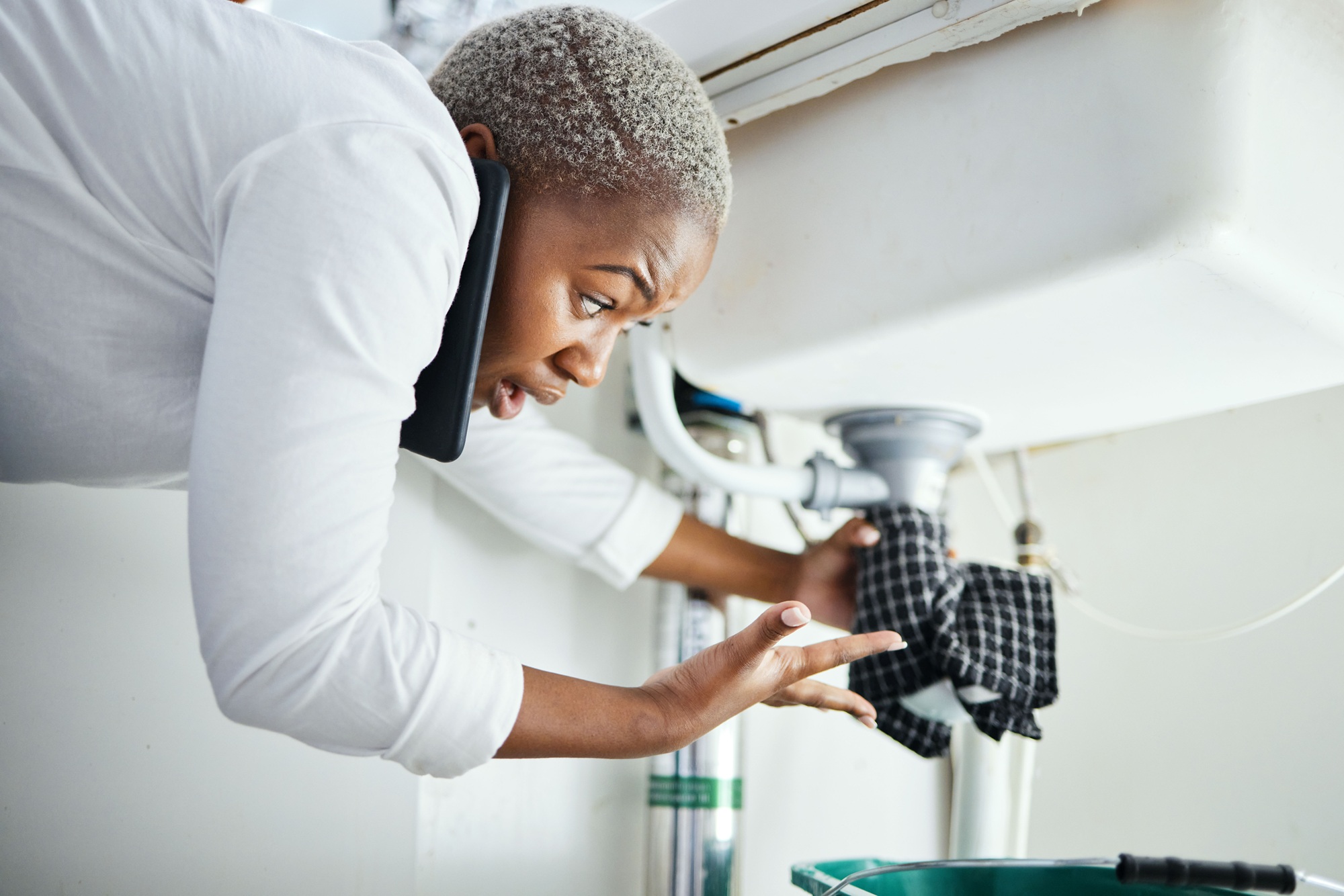
Imagine this: You’re loading the dishwasher when you notice a faint musty smell. You glance under the sink—and there it is. A small pool of water you don’t remember seeing before. Nothing major. No gushing water. Just… dampness. You wipe it up and forget about it.
Fast forward a few weeks: The cabinet base is warped, the smell is worse, and your latest water bill has jumped. Welcome to the not-so-fun world of hidden plumbing leaks.
These sneaky problems don’t come with blaring alarms. They creep in quietly, doing damage before you even know they exist. And during the summer months—when your home’s plumbing is working overtime—they’re more common than you might think.
Let’s explore where these hidden leaks happen, the signs to watch for, and most importantly, how to stop them before they drain your wallet.
Where Do Hidden Leaks Happen?
Not all plumbing leaks announce themselves with a bang. Many hide in plain sight, quietly causing damage behind walls, under floors, and even outside your home.
Here are the most common hotspots:
1. Under the Sink
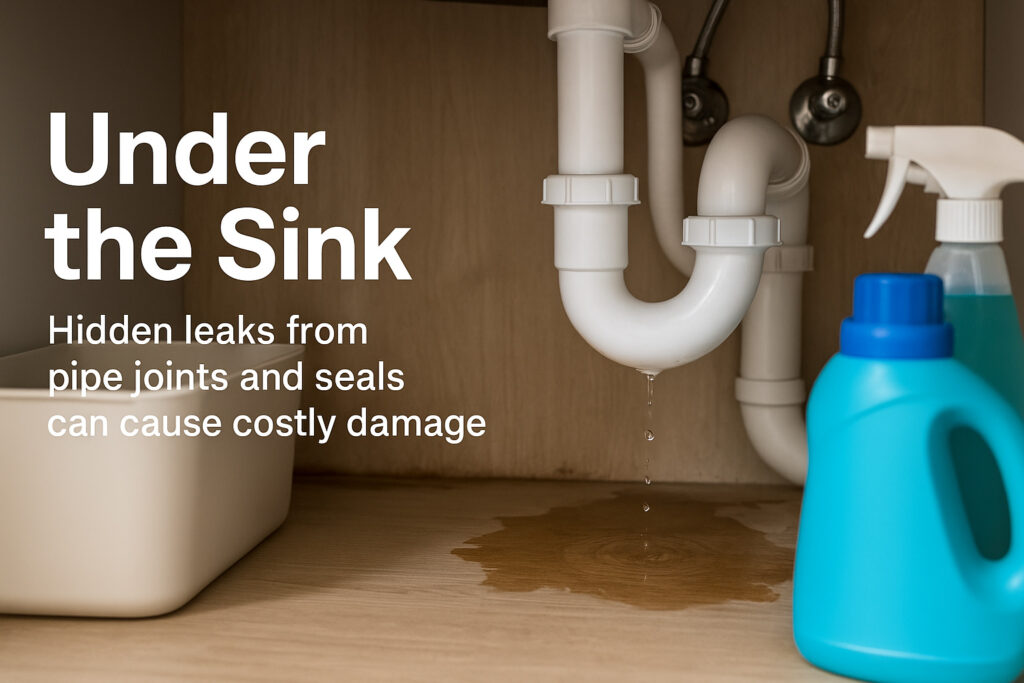
Drips from loose pipe joints or aging seals are easy to miss—especially when tucked behind cleaning supplies or trash bins. Over time, these drips lead to rot, mold, and cabinet damage.
2. Behind the Walls
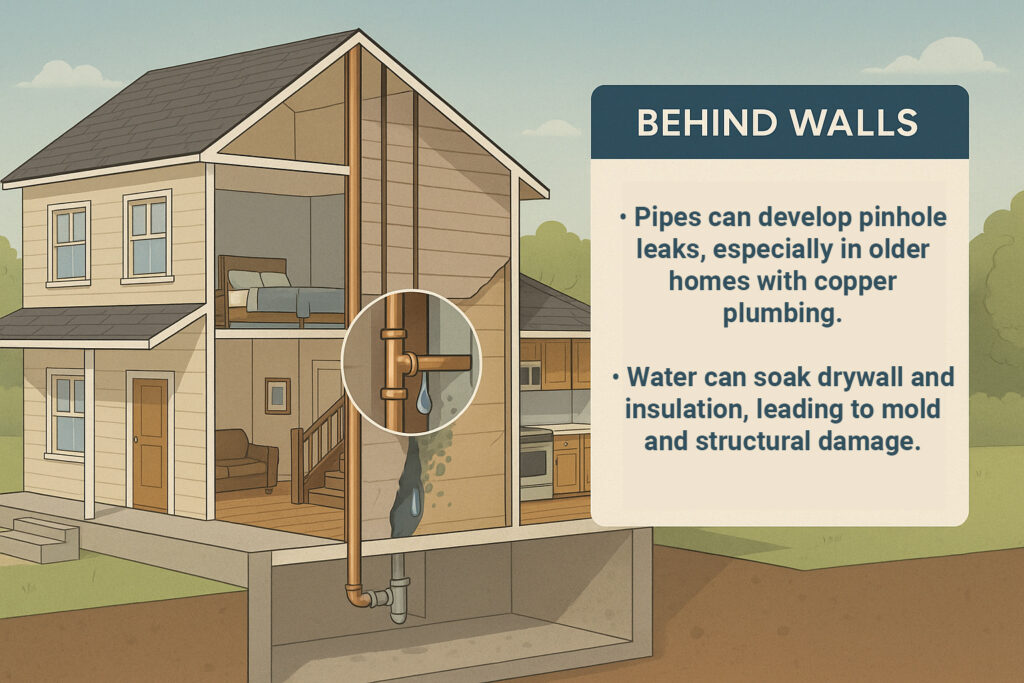
Out of sight, out of mind—but not out of danger. Pipes in your walls can spring pinhole leaks, especially in older homes or those with copper piping. These leaks can quietly soak drywall and insulation, leading to mold growth and structural issues.
3. Beneath the Slab
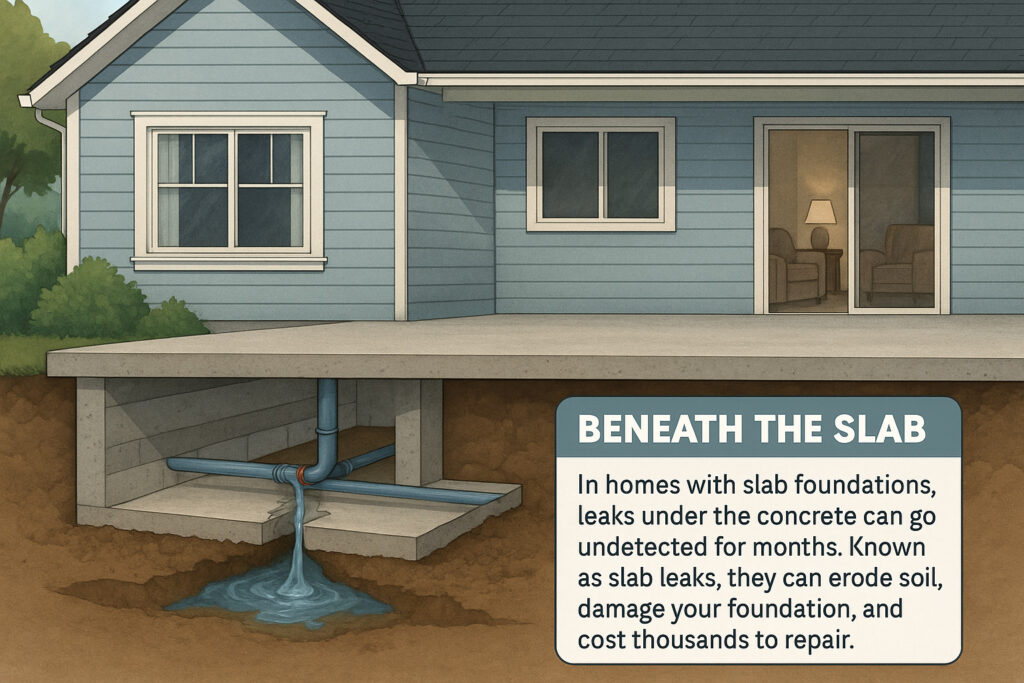
In homes with slab foundations, leaks under the concrete can go undetected for months. Known as slab leaks, they can erode soil, damage your foundation, and cost thousands to repair.
4. Toilets and Faucets
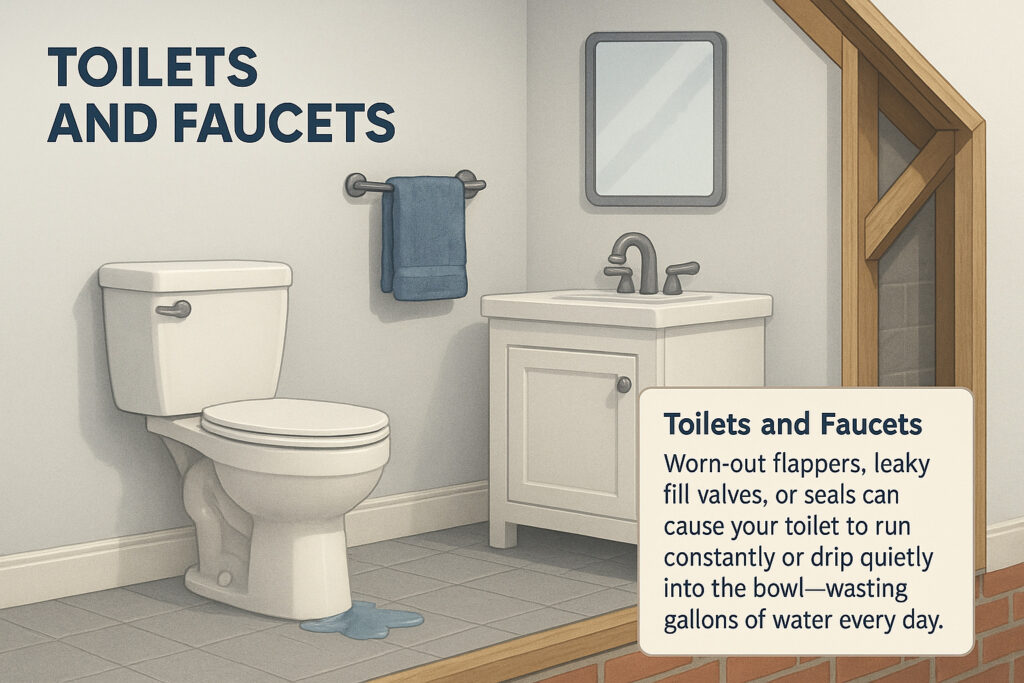
Worn-out flappers, leaky fill valves, or seals can cause your toilet to run constantly or drip quietly into the bowl—wasting gallons of water every day.
5. Outdoor Spigots & Irrigation Lines
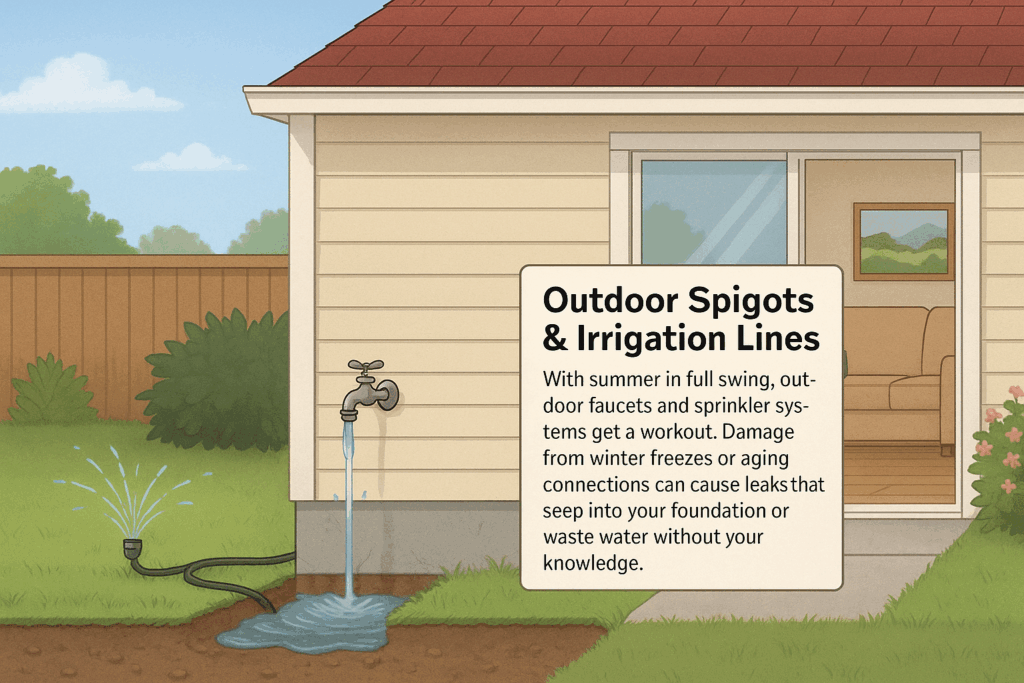
With summer in full swing, outdoor faucets and sprinkler systems get a workout. Damage from winter freezes or aging connections can cause leaks that seep into your foundation or waste water without your knowledge.
Signs You Might Have a Hidden Leak
Not sure if you have a problem? These telltale signs can help you spot a leak before it becomes a disaster:
- Unexplained spikes in your water bill
- The sound of running or dripping water when nothing’s on
- Discoloration or stains on ceilings, walls, or floors
- Musty or earthy odors from hidden mold
- Warped baseboards or bubbling paint
- Sudden drops in water pressure
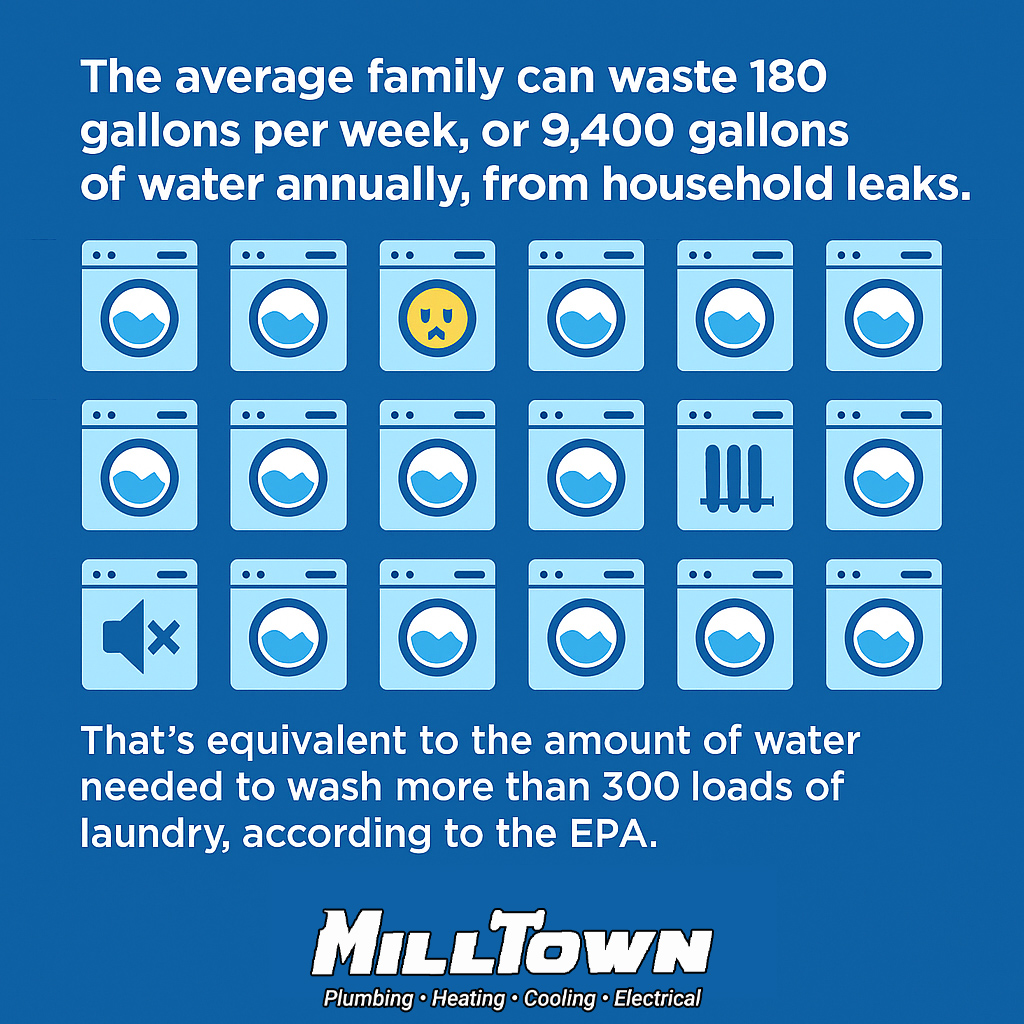
The average family can waste 180 gallons per week, or 9,400 gallons of water annually, from household leaks. That’s equivalent to the amount of water needed to wash more than 300 loads of laundry, according to the EPA.
Why You Shouldn’t Wait
A leak might seem like a small nuisance. But behind the scenes, it can snowball into serious trouble.
Here’s what can happen if you wait:
- Structural Damage – Leaks under floors or inside walls can rot wood framing, damage drywall, and even affect your foundation.
- Mold Growth – Moist environments fuel mold and mildew, which can impact air quality and trigger allergies or asthma.
- Insurance Limitations – Many homeowner insurance policies don’t cover damage caused by unresolved or long-standing leaks.
- Higher Repair Costs – Catching a leak early usually means simple repairs. Ignoring it could mean major plumbing work, mold remediation, or even renovations later on.
Bottom line: The longer you wait, the worse—and more expensive—it gets.
What Happens During a Professional Plumbing Inspection?
That’s where we come in. A professional plumbing inspection is your home’s best defense against hidden leaks and costly surprises.
Here’s what you can expect during a MillTown Plumbing System Check:
- Thorough Visual Inspection – Our licensed plumbers check all accessible plumbing, including under sinks, near appliances, and around your water heater.
- Pipe and Joint Assessment – We inspect visible pipes for signs of corrosion, loose fittings, or improper installations.
- Expert Guidance – We explain any issues we find, walk you through your options, and provide honest recommendations based on your home’s needs.
And if you’re a MillTown Service Partner Plan member, your annual plumbing system check is already included in your membership—at no extra charge.
Preventative Tips You Can Use Today
While some leaks require professional help, there’s plenty you can do to keep plumbing problems at bay:
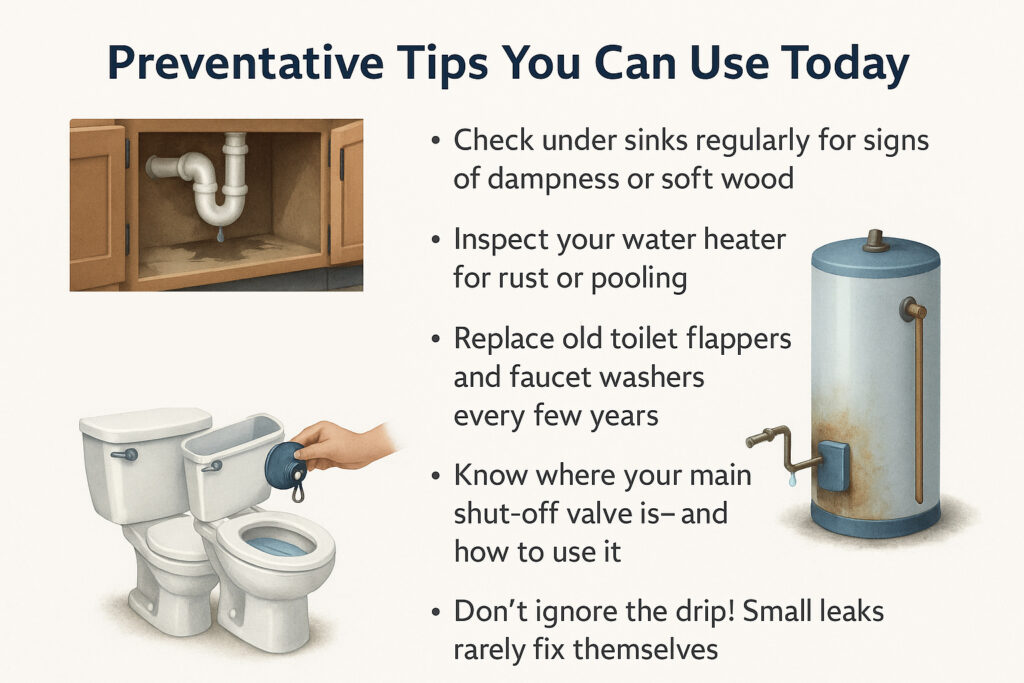
Easy Homeowner Tips:
- Check under sinks regularly for signs of dampness or soft wood
- Inspect your water heater for rust or pooling
- Replace old toilet flappers and faucet washers every few years
- Know where your main shut-off valve is—and how to use it
- Don’t ignore the drip! Small leaks rarely fix themselves.
What Are Customers Saying?
“I called Milltown when my toilet was leaking. I couldn’t believe how quickly someone came out (within 4 hours!) Pedro fixed my toilet for less than quoted. He was awesome! Professional, nice, honest, and knowledgeable. Milltown will be my first call going forward. My only regret is not using them sooner!” – Jennifer Iozzo
Stop Hidden Leaks
Whether you’re dealing with a suspicious water bill or just want peace of mind, now is the time to act.
At MillTown, we help homeowners in Chelmsford and across Middlesex County, MA spot small problems before they spiral into big ones. From high-tech leak detection to honest guidance and expert repairs, we’ve got your home—and your plumbing—covered.
Let MillTown Plumbing, Heating, Cooling and Electrical give your home plumbing system a clean bill of health.
Schedule your plumbing inspection today or give us a call at 978-654-6994.
Recent News
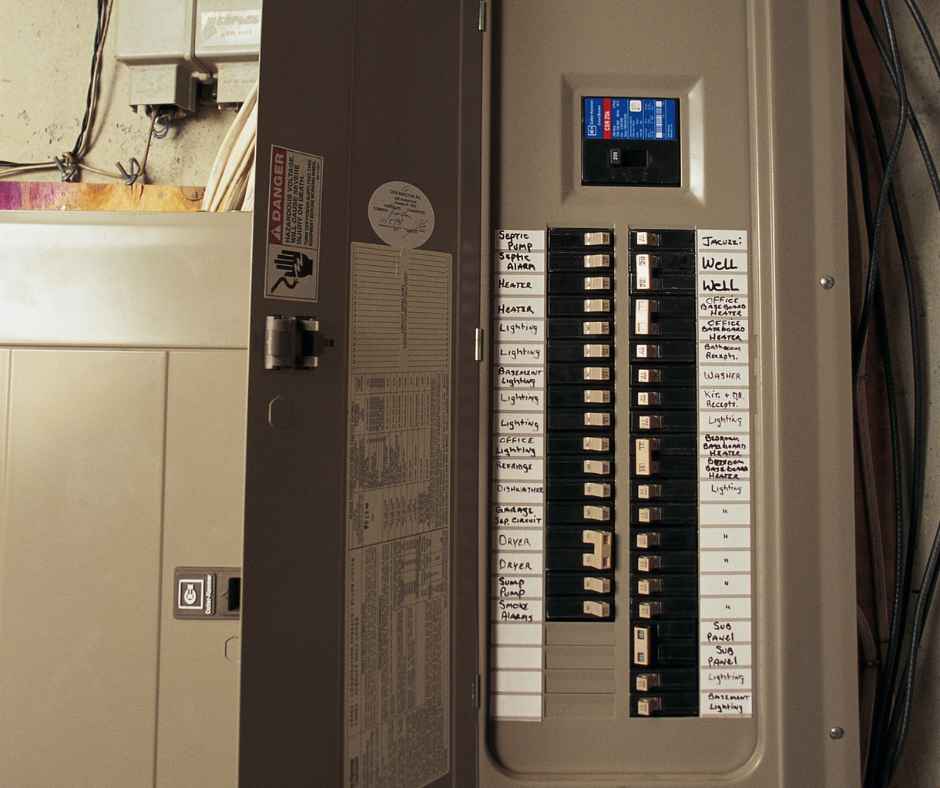
Old Wiring vs. Modern Loads: When Does a Panel Upgrade Become a Safety Necessity in Middlesex County?
A panel upgrade becomes a safety necessity when an older Middlesex County home experiences frequent breaker trips, flickering lights, warm
A panel upgrade becomes a safety necessity when an older Middlesex County home experiences frequent breaker trips, flickering lights, warm
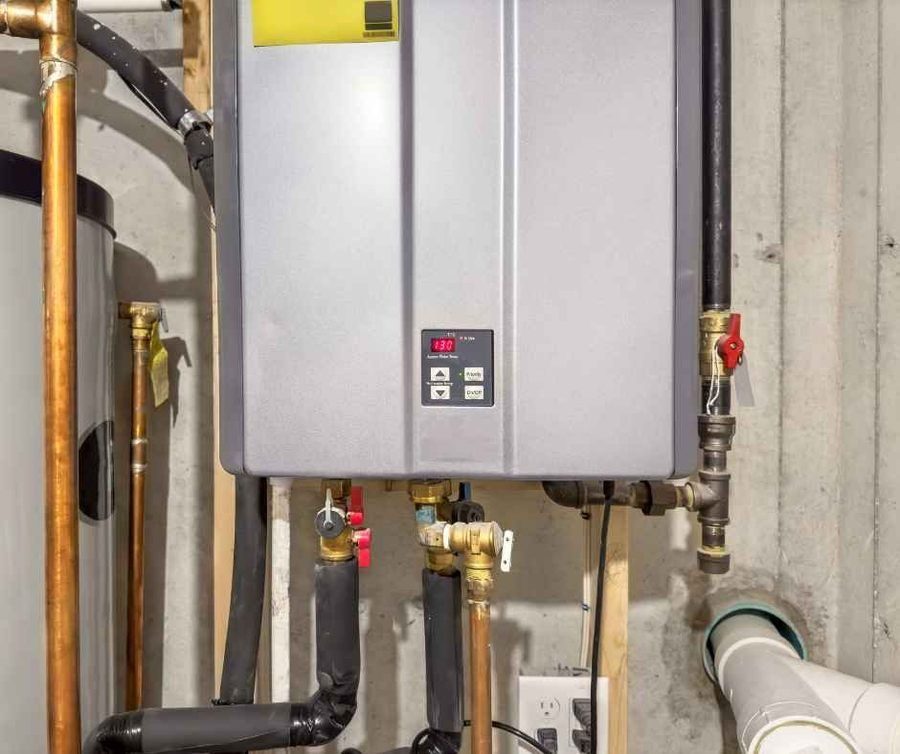
Hard Water & Tankless Systems: Why Massachusetts Mineral Buildup is Your Water Heater’s Worst Enemy
Tankless water heaters can be highly efficient, but mineral buildup can quietly reduce that performance over time. In Massachusetts homes,
Tankless water heaters can be highly efficient, but mineral buildup can quietly reduce that performance over time. In Massachusetts homes,
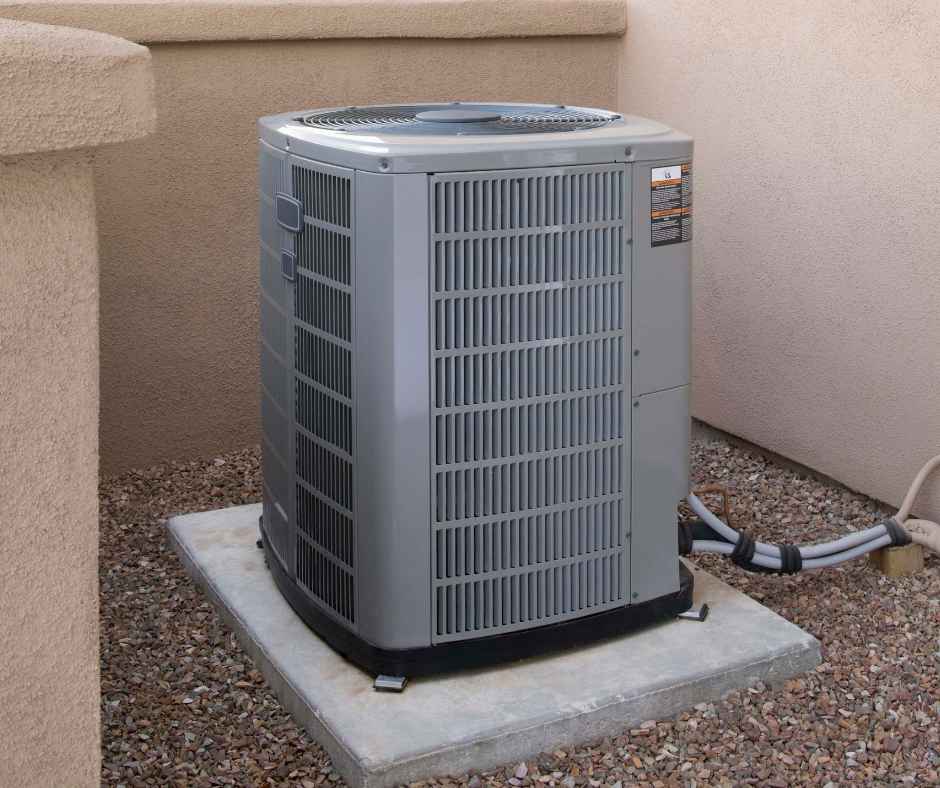
The Cost of Inefficiency: A Deep Dive Into SEER2 Ratings for Massachusetts Homeowners
SEER2 ratings matter because they show how efficiently an air conditioner or heat pump cools your home under updated testing
SEER2 ratings matter because they show how efficiently an air conditioner or heat pump cools your home under updated testing
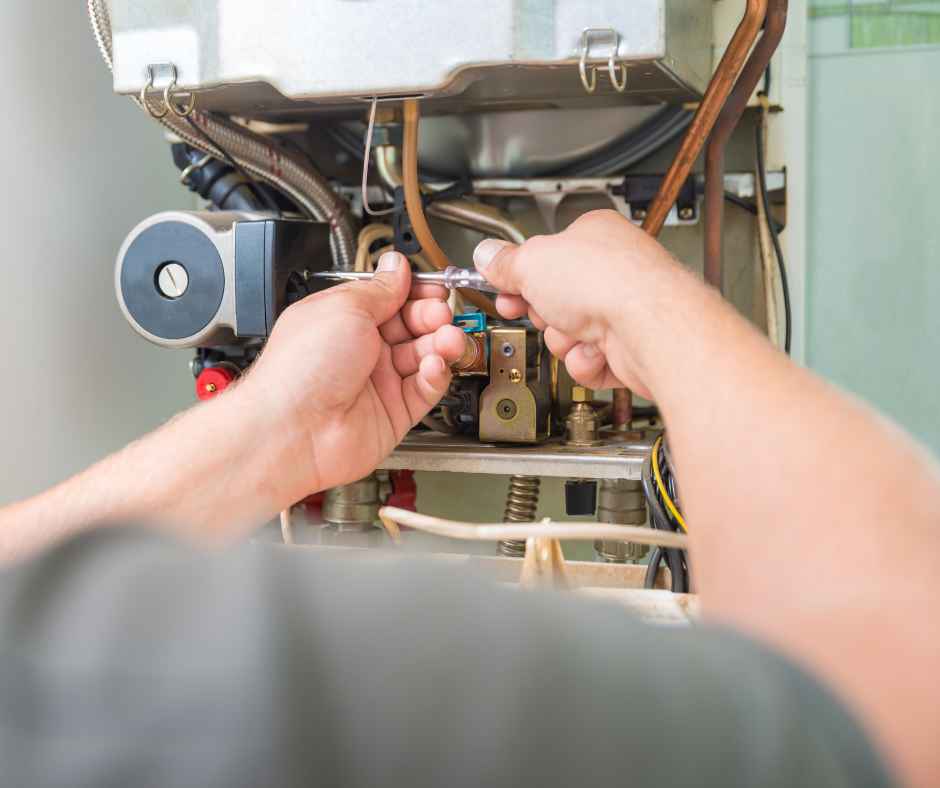
How to Prepare Your Heating System for a Sudden New England Cold Snap
In New England, the weather can shift from a mild afternoon to a bone-chilling freeze in a matter of hours.
In New England, the weather can shift from a mild afternoon to a bone-chilling freeze in a matter of hours.
How to Lower Heating Bills Without Sacrificing Comfort in Massachusetts Homes
Surviving a Massachusetts winter requires more than just a heavy coat and a snow shovel. For homeowners across the state,
Surviving a Massachusetts winter requires more than just a heavy coat and a snow shovel. For homeowners across the state,

25 Plumbing Tips Every Massachusetts Homeowner Should Know
Keep your water flowing smoothly with advice from the experts at MillTown Plumbing, Heating, Cooling & Electrical When it comes
Keep your water flowing smoothly with advice from the experts at MillTown Plumbing, Heating, Cooling & Electrical When it comes
Common Winter HVAC Issues in Massachusetts Homes and When to Call for Service
Massachusetts winters bring freezing temperatures, heavy snowfall, and extended periods of cold weather that place constant strain on home heating
Massachusetts winters bring freezing temperatures, heavy snowfall, and extended periods of cold weather that place constant strain on home heating
Areas In Mass We Service
Acton, MA
Andover, MA
Arlington, MA
Ayer, MA
Bedford, MA
Berlin, MA
Billerica, MA
Bolton, MA
Boxborough, MA
Burlington, MA
Carlisle, MA
Chelmsford, MA
Clinton, MA
Concord, MA
Devens, MA
Dracut, MA
Dunstable, MA
Fitchburg, MA
Georgetown, MA
Groton, MA
Groveland, MA
Harvard, MA
Haverhill, MA
Hudson, MA
Lancaster, MA
Lawrence, MA
Leominster, MA
Lexington, MA
Lincoln, MA
Littleton, MA
Lowell, MA
Lunenburg, MA
Marlborough, MA
Maynard, MA
Methuen, MA
North Andover, MA
North Billerica, MA
North Chelmsford, MA
North Reading, MA
Pepperell, MA
Reading, MA
Shirley, MA
Stoneham, MA
Stow, MA
Sudbury, MA
Tewksbury, MA
Townsend, MA
Tyngsborough, MA
Wakefield, MA
Waltham, MA
Wayland, MA
West Groton, MA
Westford, MA
Weston, MA
Wilmington, MA
Woburn, MA
