★ Locally Trusted With 3140+ 5-Star Reviews ★

Back to Blog
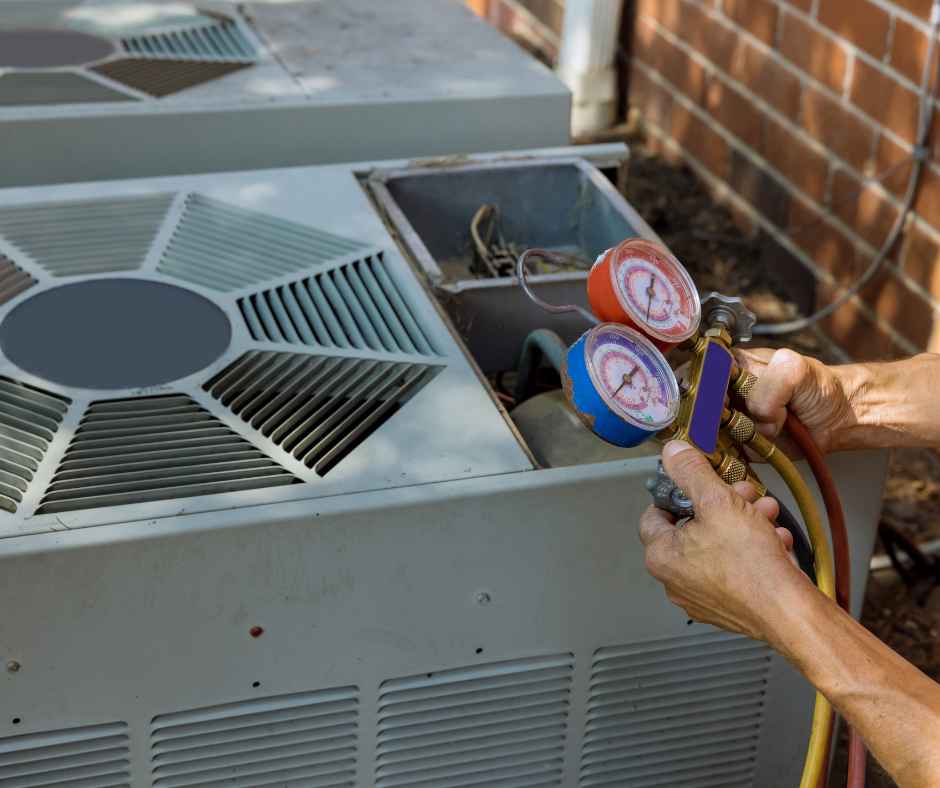
Why Is My Air Conditioner Blowing Hot Air?
Few things are more frustrating than turning on your air conditioner during a hot day—only to feel warm air coming from the vents. When your AC starts blowing hot air, it’s more than just uncomfortable—it’s a sign that something isn’t right. This problem can range from a simple fix to a more serious system issue, but either way, it shouldn’t be ignored. Not only does it impact your comfort, but it can also cause your energy bills to rise and put extra strain on your AC.
Fortunately, there are some common reasons behind this issue, and many of them can be resolved with the right know-how. In this blog, we’ll break down the most likely causes, what you can try at home, and when it’s time to call MillTown for professional help.
What It Means When Your AC Blows Hot Air
If your air conditioner is running but the air coming from your vents feels warm, it’s not doing its job—and that means something inside the system isn’t working the way it should. In many cases, this is a sign that a key component, like the compressor or thermostat, is malfunctioning. It could also be as simple as a dirty filter or incorrect thermostat setting. Either way, your AC is likely unable to complete the cooling cycle properly, which means your home stays warm even though your system is on.
This is one of the most common problems homeowners face, especially during peak summer months when air conditioners are working harder than usual. Sometimes the cause is preventable with regular maintenance; other times, it’s a result of aging equipment or a deeper mechanical issue. If left unresolved, the problem can lead to higher energy bills, excessive strain on your system, or even full system failure.
Understanding what this issue means—and responding quickly—can make all the difference in your home’s comfort and your system’s longevity.
Key Signs and Causes of Hot Air
When your air conditioner starts acting up, it often gives you clues before it completely stops working. Here’s what to watch for—and what could be causing it.
Common Signs
- Warm Air from Vents: Even when the thermostat is set to cool, the air feels noticeably warm or room temperature.
- Constant Operation Without Cooling: The system runs non-stop but fails to bring the temperature down.
- Sticky or Humid Indoor Air: Hot air often comes with a rise in indoor humidity levels.
- Thermostat Disconnected from Reality: You set the thermostat lower, but the AC doesn’t seem to respond.
- Unexpected Energy Spikes: Your energy bills increase despite no change in how often you run your system.
- Unusual Noises: Buzzing, rattling, or hissing noises may indicate mechanical or refrigerant issues.
Causes/Why It Happens
- Incorrect Thermostat Settings: Sometimes, the issue is as simple as the thermostat being set to “heat” or “fan-only” instead of “cool.”
- Dirty or Clogged Air Filters: Restricted airflow can prevent your system from cooling properly and cause it to overheat.
- Low Refrigerant Levels: Leaks or insufficient refrigerant keep your system from absorbing and removing heat effectively.
- Frozen or Dirty Evaporator Coils: When coils freeze or are covered in grime, they can’t transfer heat as intended.
- Electrical Issues: Problems with the capacitor, compressor, or wiring can prevent the system from cooling even when it runs.
- Thermostat or Sensor Malfunctions: If your thermostat can’t communicate with the system, it may deliver the wrong signals.
- Tripped Breaker or Blown Fuse: A power issue in the outdoor unit can stop the cooling process altogether.
Solutions for Fixing an AC That Blows Hot Air
Once you’ve identified that your AC is blowing hot air, it’s time to figure out how to fix it. Depending on the cause, some solutions are simple and safe to try on your own—while others are best left to the professionals.
DIY Solutions
- Check Your Thermostat Settings: Make sure the system is set to “cool,” not “heat” or “fan.” Confirm the temperature is lower than the current room temperature.
- Replace the Air Filter: A dirty or clogged filter can block airflow. Replace it if it looks dusty or hasn’t been changed in the last 1–3 months.
- Inspect the Outdoor Unit: Clear away leaves, grass, or debris from around the condenser to ensure proper airflow.
- Reset the Breaker: If the outdoor unit isn’t running at all, check the electrical panel for a tripped breaker and reset it if needed.
- Turn Off the System if Coils Are Frozen: If you see ice buildup on the coils, turn off the system and let it thaw completely before restarting.
When to Call a Professional
- Refrigerant Leaks: Low refrigerant can’t be refilled like gas in a car—it requires a licensed technician to find and fix the leak.
- Electrical or Wiring Issues: Problems with the compressor, capacitor, or internal wiring are dangerous to handle without training.
- Recurring Hot Air Problems: If the issue keeps coming back despite basic fixes, you need expert diagnostics to find the root cause.
- System Age or Efficiency Issues: A technician can evaluate whether it’s time for a repair or a more energy-efficient upgrade.
- Thermostat Malfunctions: If recalibrating or changing batteries doesn’t help, it may need replacement or rewiring.
How to Prevent Your AC from Blowing Hot Air Again
Preventive maintenance goes a long way in keeping your air conditioner reliable—even on the hottest days of the year. Here are some practical tips to help avoid future hot air surprises:
- Schedule Annual Maintenance: Book a professional tune-up each spring to ensure your AC is in peak condition before summer.
- Change Filters Frequently: Replace your air filter every 1–3 months to maintain healthy airflow and prevent strain on your system.
- Keep Vents and Returns Clear: Avoid blocking vents with furniture or curtains, and clean visible dust regularly.
- Clean Around the Outdoor Unit: Keep grass, leaves, and debris away from the condenser to help with proper heat exchange.
- Use a Smart or Programmable Thermostat: Automating temperature settings reduces overuse and helps your system run more efficiently.
- Address Issues Early: If you notice weak airflow, rising humidity, or inconsistent cooling, call for help before the problem gets worse.
Wrap-Up: Don’t Let Hot Air Disrupt Your Comfort
When your air conditioner is blowing hot air, it’s more than just an inconvenience—it’s a sign that your system needs attention. From simple fixes like thermostat adjustments and filter changes to more serious issues like refrigerant leaks or failing components, the key is to act quickly. Staying proactive with maintenance and responding to early warning signs can help you avoid major repairs and keep your home cool all summer long.
If your AC isn’t keeping you comfortable, don’t wait for the problem to get worse. The trusted team at MillTown Plumbing, Heating, Cooling & Electrical is here to help with expert diagnostics, reliable repairs, and full-system support. Contact us today and let’s get your air conditioner back to blowing cool, refreshing air.
Recent News
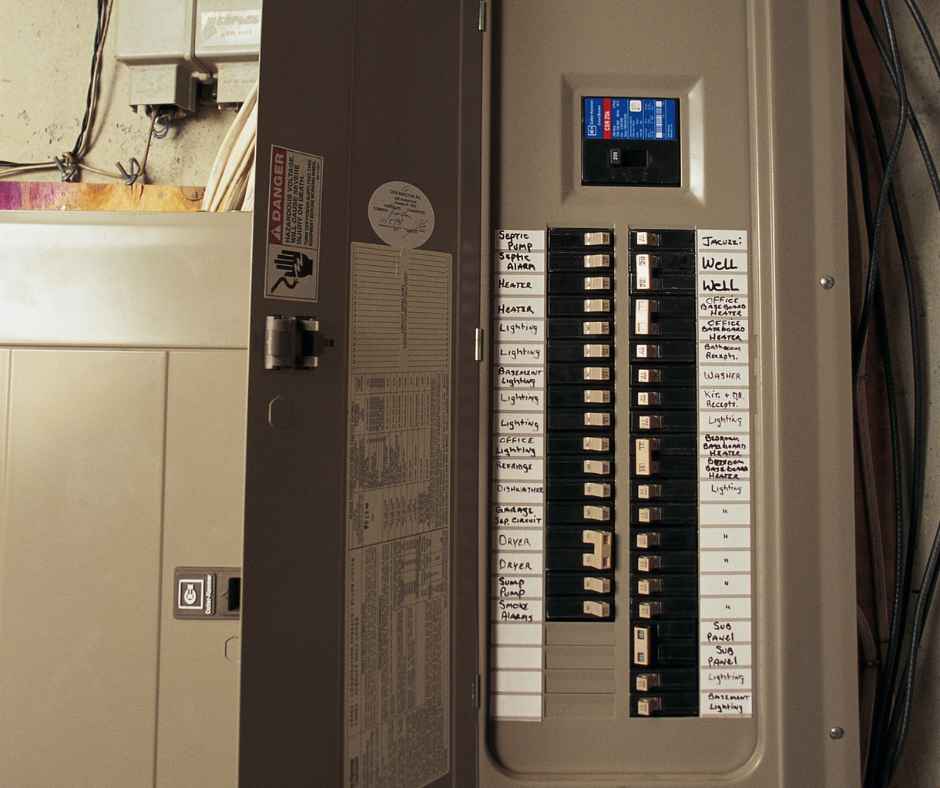
Old Wiring vs. Modern Loads: When Does a Panel Upgrade Become a Safety Necessity in Middlesex County?
A panel upgrade becomes a safety necessity when an older Middlesex County home experiences frequent breaker trips, flickering lights, warm
A panel upgrade becomes a safety necessity when an older Middlesex County home experiences frequent breaker trips, flickering lights, warm
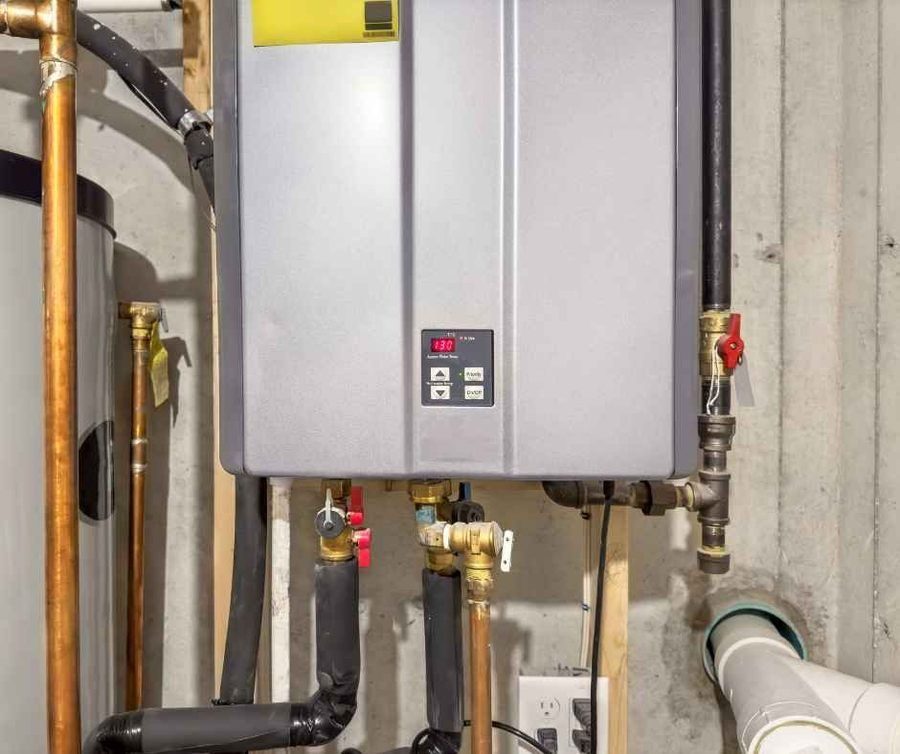
Hard Water & Tankless Systems: Why Massachusetts Mineral Buildup is Your Water Heater’s Worst Enemy
Tankless water heaters can be highly efficient, but mineral buildup can quietly reduce that performance over time. In Massachusetts homes,
Tankless water heaters can be highly efficient, but mineral buildup can quietly reduce that performance over time. In Massachusetts homes,
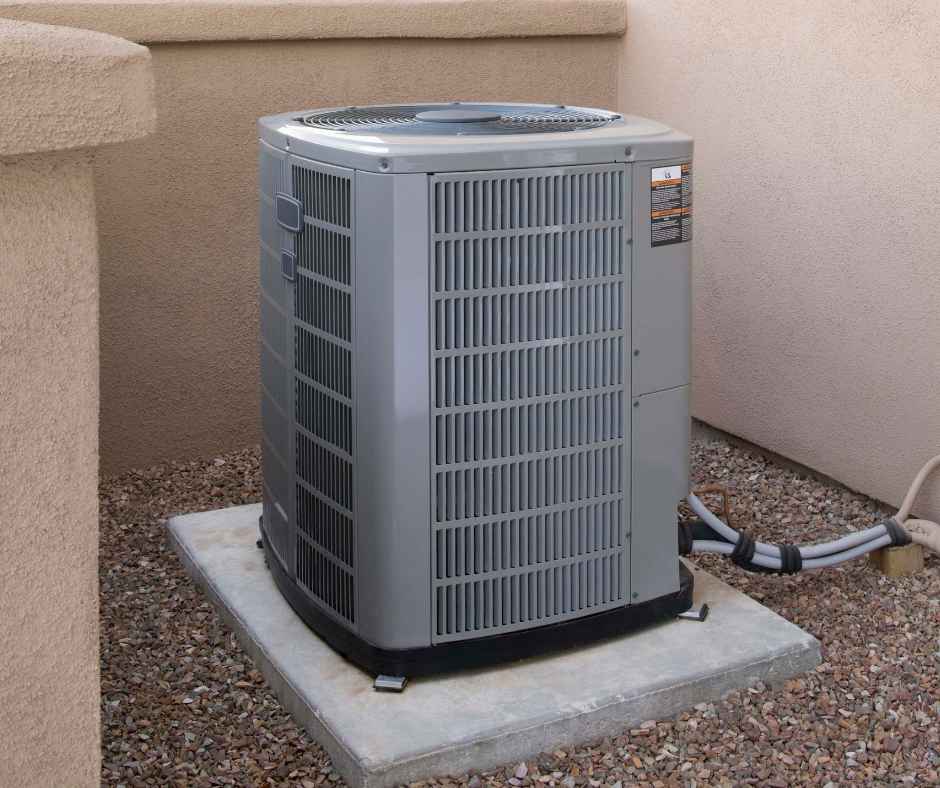
The Cost of Inefficiency: A Deep Dive Into SEER2 Ratings for Massachusetts Homeowners
SEER2 ratings matter because they show how efficiently an air conditioner or heat pump cools your home under updated testing
SEER2 ratings matter because they show how efficiently an air conditioner or heat pump cools your home under updated testing
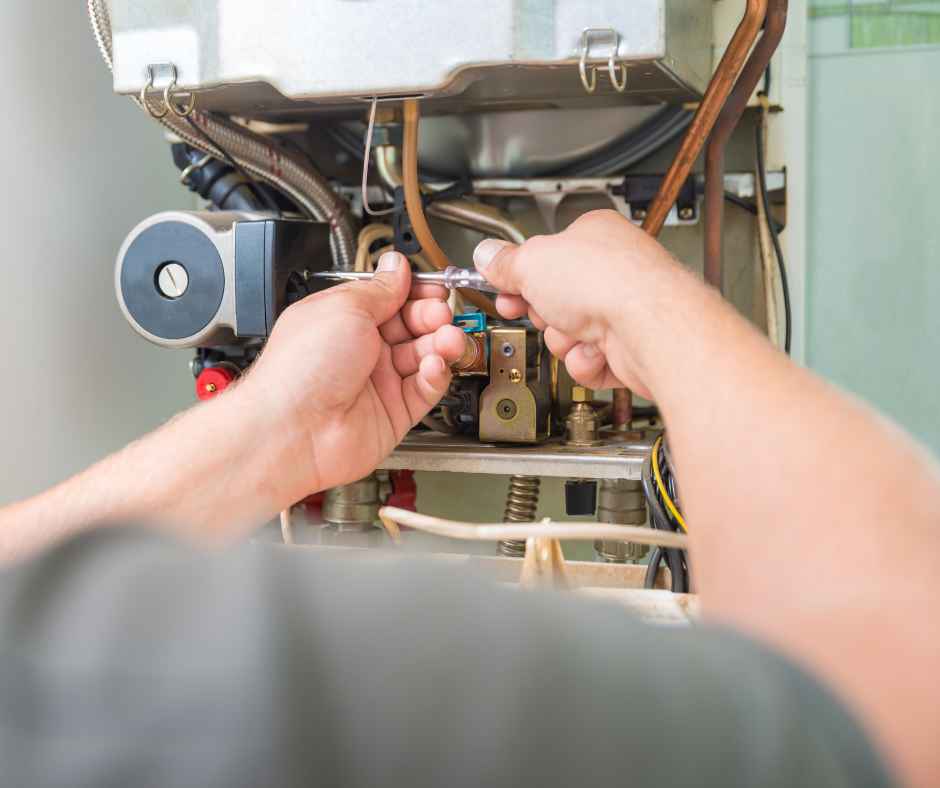
How to Prepare Your Heating System for a Sudden New England Cold Snap
In New England, the weather can shift from a mild afternoon to a bone-chilling freeze in a matter of hours.
In New England, the weather can shift from a mild afternoon to a bone-chilling freeze in a matter of hours.
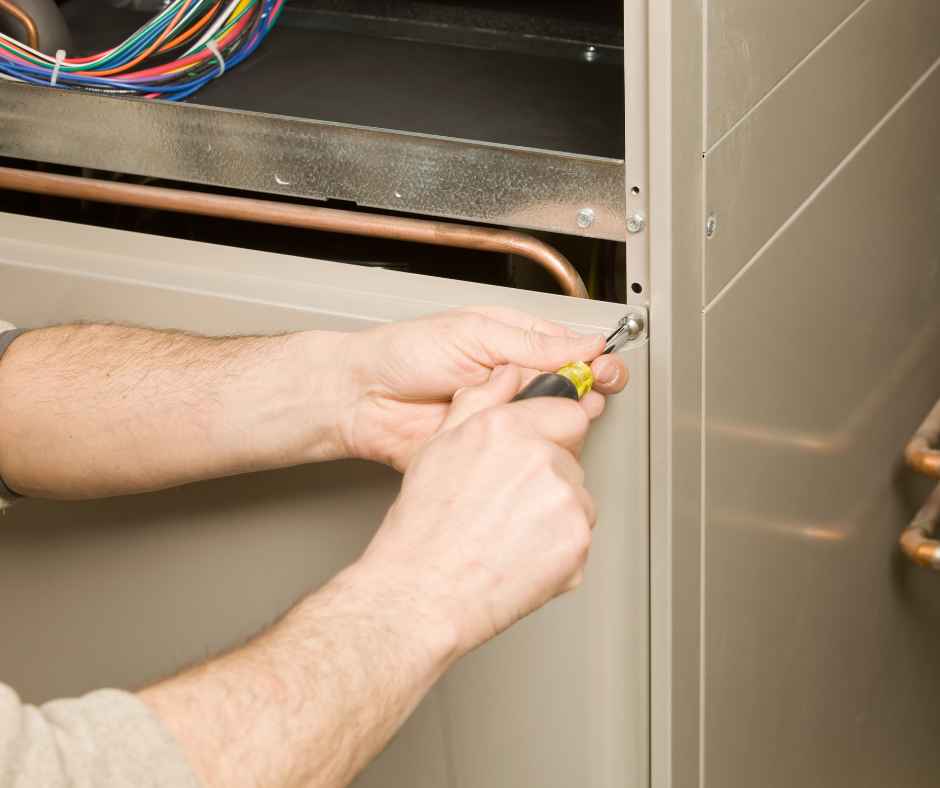
How to Lower Heating Bills Without Sacrificing Comfort in Massachusetts Homes
Surviving a Massachusetts winter requires more than just a heavy coat and a snow shovel. For homeowners across the state,
Surviving a Massachusetts winter requires more than just a heavy coat and a snow shovel. For homeowners across the state,

25 Plumbing Tips Every Massachusetts Homeowner Should Know
Keep your water flowing smoothly with advice from the experts at MillTown Plumbing, Heating, Cooling & Electrical When it comes
Keep your water flowing smoothly with advice from the experts at MillTown Plumbing, Heating, Cooling & Electrical When it comes
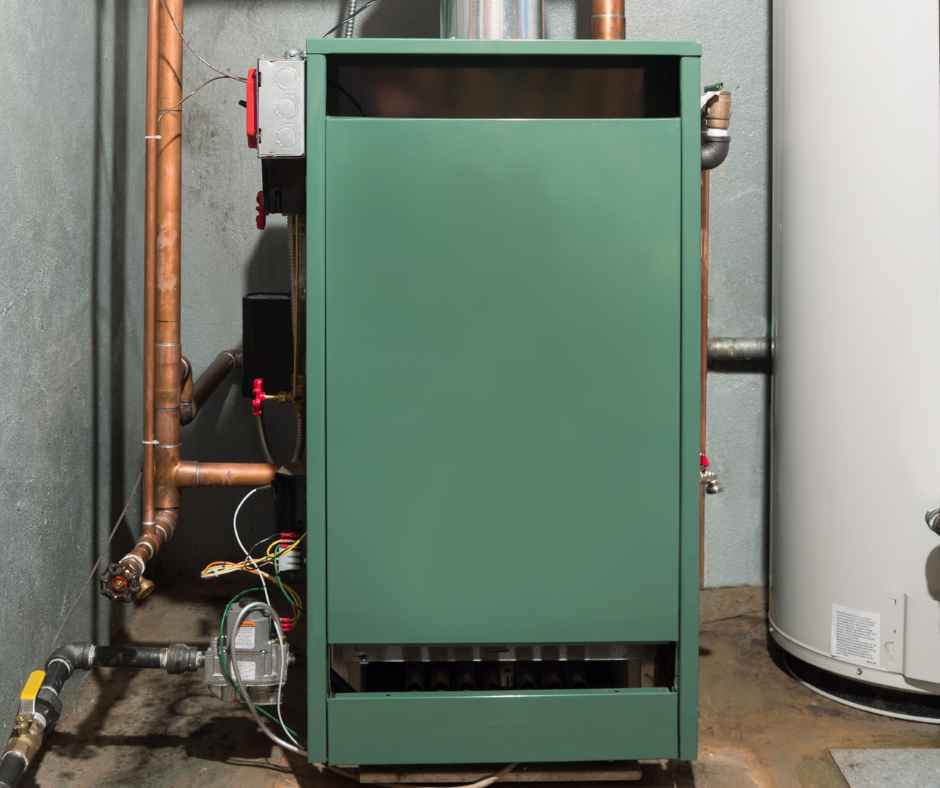
Common Winter HVAC Issues in Massachusetts Homes and When to Call for Service
Massachusetts winters bring freezing temperatures, heavy snowfall, and extended periods of cold weather that place constant strain on home heating
Massachusetts winters bring freezing temperatures, heavy snowfall, and extended periods of cold weather that place constant strain on home heating
Areas In Mass We Service
Acton, MA
Andover, MA
Arlington, MA
Ayer, MA
Bedford, MA
Berlin, MA
Billerica, MA
Bolton, MA
Boxborough, MA
Burlington, MA
Carlisle, MA
Chelmsford, MA
Clinton, MA
Concord, MA
Devens, MA
Dracut, MA
Dunstable, MA
Fitchburg, MA
Georgetown, MA
Groton, MA
Groveland, MA
Harvard, MA
Haverhill, MA
Hudson, MA
Lancaster, MA
Lawrence, MA
Leominster, MA
Lexington, MA
Lincoln, MA
Littleton, MA
Lowell, MA
Lunenburg, MA
Marlborough, MA
Maynard, MA
Methuen, MA
North Andover, MA
North Billerica, MA
North Chelmsford, MA
North Reading, MA
Pepperell, MA
Reading, MA
Shirley, MA
Stoneham, MA
Stow, MA
Sudbury, MA
Tewksbury, MA
Townsend, MA
Tyngsborough, MA
Wakefield, MA
Waltham, MA
Wayland, MA
West Groton, MA
Westford, MA
Weston, MA
Wilmington, MA
Woburn, MA
