★ Locally Trusted With 3140+ 5-Star Reviews ★

Back to Blog
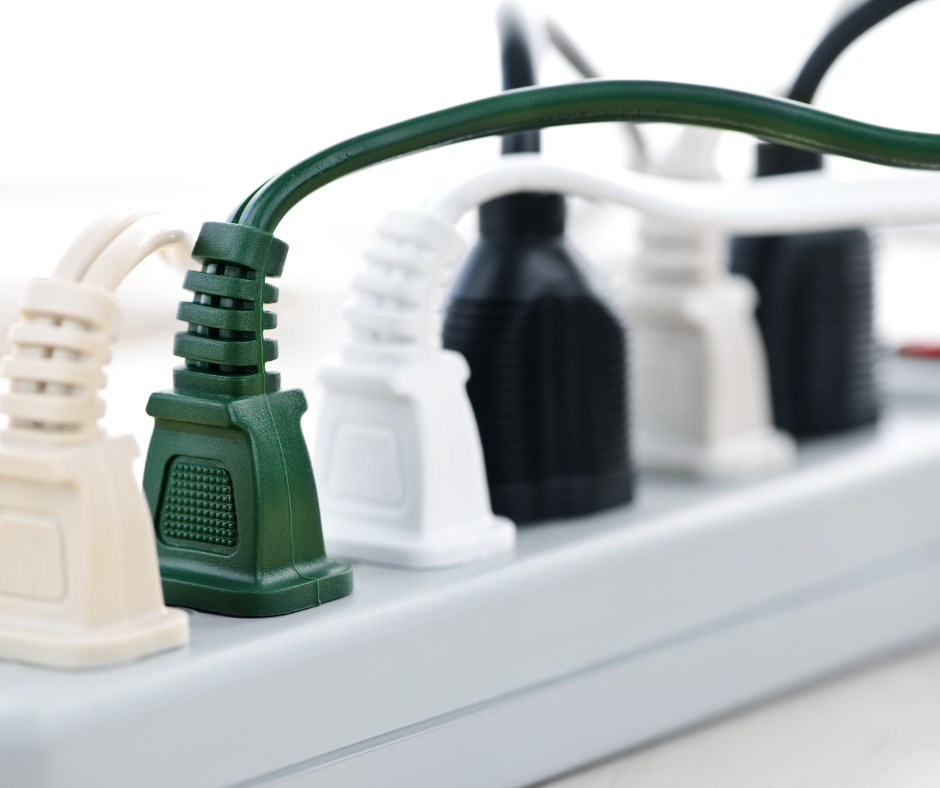
Electrical Safety Month: Real-World Tips to Keep Your Home Safe
May is here, making it the perfect time to spark conversations for National Electrical Safety Month! We’re flipping the switch on safety awareness to help our customers stay safe, avoid costly hazards, and protect what matters most—their homes and families.
While it’s not the most glamorous topic, it’s one of the most important. Electricity keeps our homes running, but it also comes with serious risks if we’re not paying attention. The truth is, many electrical hazards are easy to prevent—you just need to know what to look for.
Here’s a helpful guide about how to keep your home safe, bright, and shock-free—literally!
⚡ Eye-Opening Electrical Stats
- Around 46,000 home fires in the U.S. are caused by electrical issues every year.
- Faulty wiring, damaged cords, and overloaded circuits are common culprits.
- Nearly 400 electrocutions happen each year—many involving household appliances or outdoor equipment.
Let’s make sure none of that happens on your watch.
🏠 Electrical Safety Tips for Your Home
#1 – Inspect Your Cords and Outlets Regularly
Every few months, walk around and check all your visible cords, extension cables, and plugs. Here’s what to look for:
- Cracks, frays, or exposed wires – these are fire and shock hazards.
- Warm or discolored outlets – a sign of overheating or a wiring issue inside the wall.
- Loose plugs or wobbly sockets – these can spark or cause arcing.
💡 What to do: Replace damaged cords immediately. Don’t try to patch with tape. If an outlet feels warm or looks damaged, stop using it and call an electrician.
#2 – Avoid Overloading Circuits
Your outlets are designed to handle a certain amount of current. Plugging in too many devices—especially high-wattage ones like space heaters, hair dryers, or microwaves—can overload the circuit and start a fire.
💡 What to do:
- Spread out devices between outlets in different rooms when possible.
- Unplug small appliances when not in use to reduce strain and save energy.
- Call an electrician to provide an additional dedicated circuit for any large appliances in your home.
#3 – GFCIs and AFCIs Save Lives
- GFCIs (Ground Fault Circuit Interrupters) cut power if they detect moisture or an imbalance in current—perfect for bathrooms, kitchens, laundry rooms, garages, and outdoors.
- AFCIs (Arc Fault Circuit Interrupters) detect dangerous electrical arcs that can cause fires—great for bedrooms and living rooms.
💡What to do: Press the “test” button on your GFCI outlets monthly to ensure they’re working. If your home is older, have an electrician upgrade your panel or replace outlets to include AFCI protection where needed.
If the GFCI doesn’t reset, it’s time to contact an electrician to replace it.
#4 – Hire a Pro for Anything Beyond the Basics
Changing a lightbulb? Go for it. Swapping out a light fixture or rewiring a room? That’s best left to the pros. Improper electrical work can lead to hidden hazards—arcing, overloaded wires, or even structural fires.
Just because it was working for years doesn’t mean it was installed correctly or safely.
💡 What to do:
Call an electrician any time you need work done inside a junction box such as adding circuits. Wiring isn’t a hobby and it’s worth calling a pro for the safety alone.
#5 – Keep Electricity and Water Far Apart
Combining the two is dangerous.
💡 What to do:
- Never use hair dryers, space heaters, or radios near bathtubs or sinks.
- Wipe hands dry before plugging anything in.
- Make sure kitchen and bathroom outlets are GFCI-protected.
- Store outdoor electrical tools in dry, covered areas when not in use.
#6 – If You Have Kids, Childproof Your Electrical System
Little ones are naturally curious, and outlets are right at eye level.
💡 What to do:
- Install tamper-resistant outlets (TRRs), which are now code in new homes.
- Use plug protectors on older outlets.
- Bundle and secure long cords so they’re out of reach.
- Teach your kids early about the dangers of electricity—age-appropriate, of course
🌟 Don’t Skip the Outdoors: Lighting & Safety Go Hand-in-Hand
Outdoor lighting isn’t just for ambiance—it’s a major safety feature, too.
Here’s why it matters:
- Security: Motion lights deter burglars, especially near entryways, garages, and dark corners of your yard.
- Safety: Path lights help guests (and you!) avoid tripping on stairs, walkways, or garden features.
- System protection: Outdoor outlets need to be covered with in-use weatherproof covers and connected to GFCI circuits.
💡 What to do:
- Use only outdoor-rated lights, extension cords, and fixtures.
- Check for cracked or sun-damaged wires. Replace any that look worn.
- Position lights to highlight potential hazards—like steps or uneven ground.
- Test motion sensors regularly to make sure they’re working as expected.
🛠️ One Last Tip: Schedule an Electrical Inspection
If your home is over 10–15 years old—or you’ve made lots of changes like installing a hot tub or new HVAC—it’s a good idea to have an electrician do a full inspection.
💡 What they’ll check:
- Outdated wiring
- Overloaded panels
- Proper grounding and bonding
- Overall circuit health and safety
Final Thoughts
Electricity keeps your home running, but it’s easy to forget how powerful—and dangerous—it can be if not treated with care. This Electrical Safety Month, take a little time to protect your home and loved ones. Whether it’s replacing a worn-out cord, updating an outlet, or installing outdoor motion lights, even small changes can have a big impact.💡
Recent News
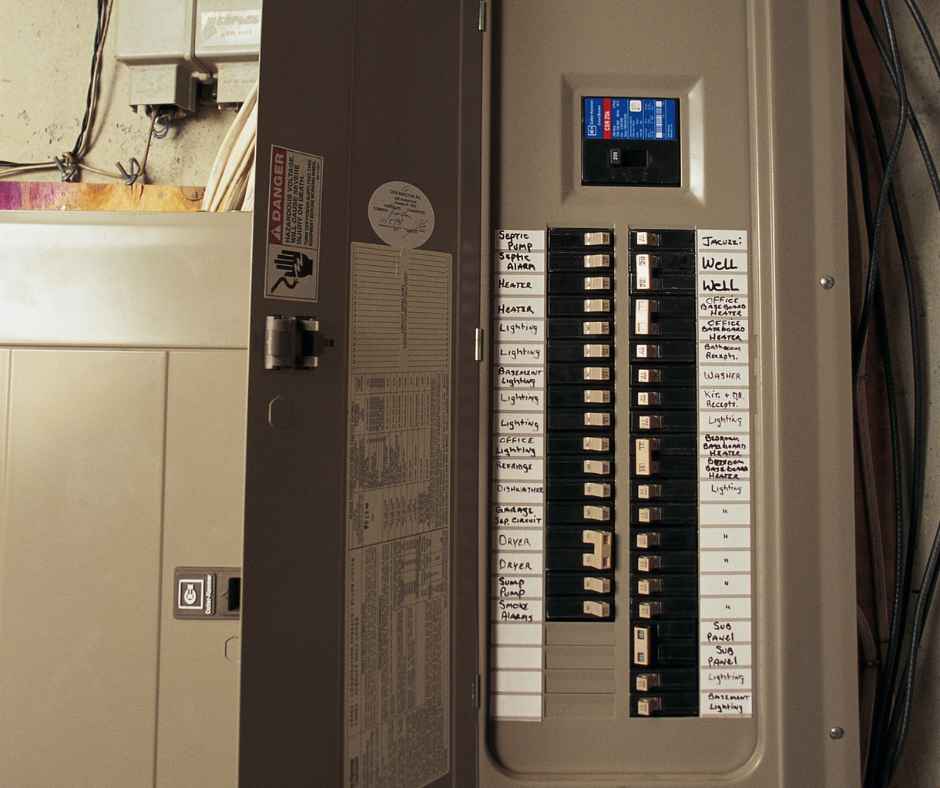
Old Wiring vs. Modern Loads: When Does a Panel Upgrade Become a Safety Necessity in Middlesex County?
A panel upgrade becomes a safety necessity when an older Middlesex County home experiences frequent breaker trips, flickering lights, warm
A panel upgrade becomes a safety necessity when an older Middlesex County home experiences frequent breaker trips, flickering lights, warm
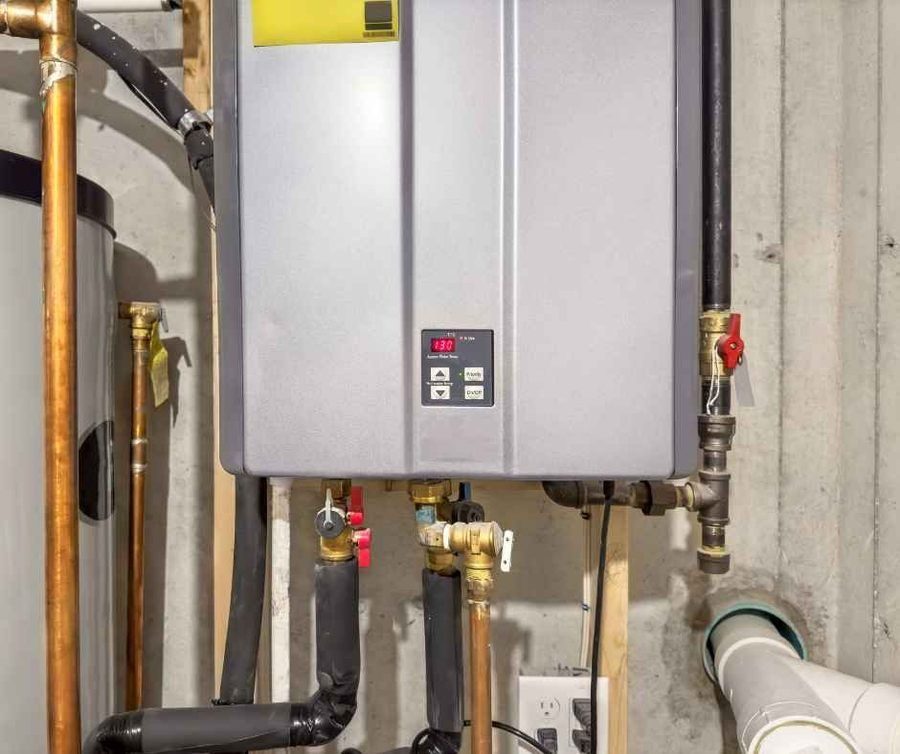
Hard Water & Tankless Systems: Why Massachusetts Mineral Buildup is Your Water Heater’s Worst Enemy
Tankless water heaters can be highly efficient, but mineral buildup can quietly reduce that performance over time. In Massachusetts homes,
Tankless water heaters can be highly efficient, but mineral buildup can quietly reduce that performance over time. In Massachusetts homes,
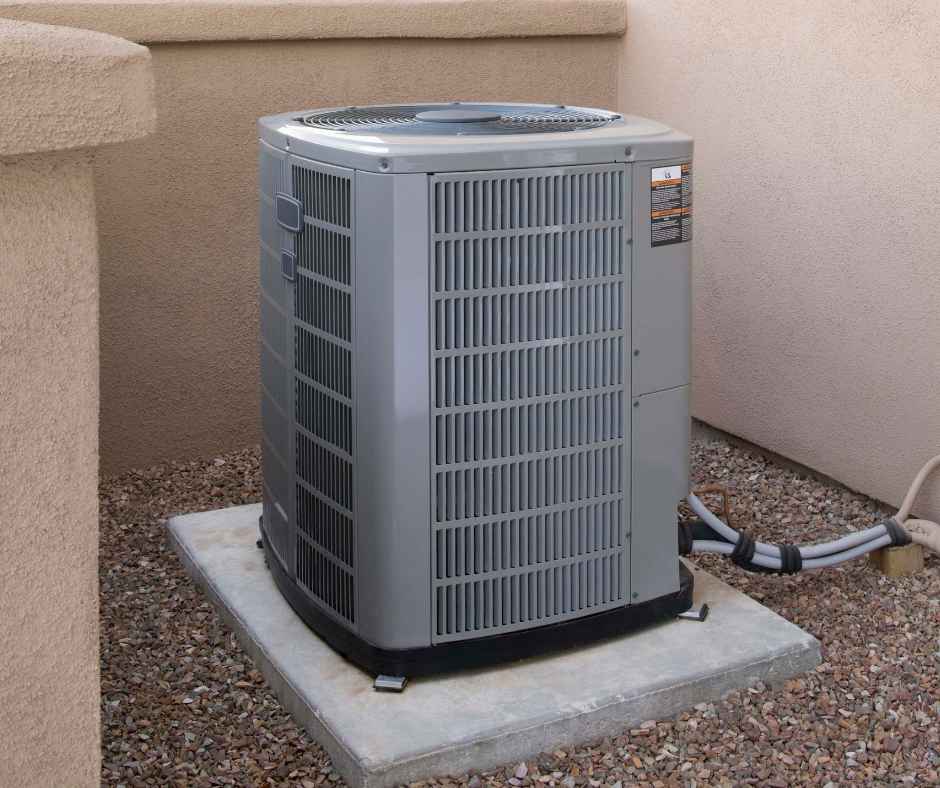
The Cost of Inefficiency: A Deep Dive Into SEER2 Ratings for Massachusetts Homeowners
SEER2 ratings matter because they show how efficiently an air conditioner or heat pump cools your home under updated testing
SEER2 ratings matter because they show how efficiently an air conditioner or heat pump cools your home under updated testing
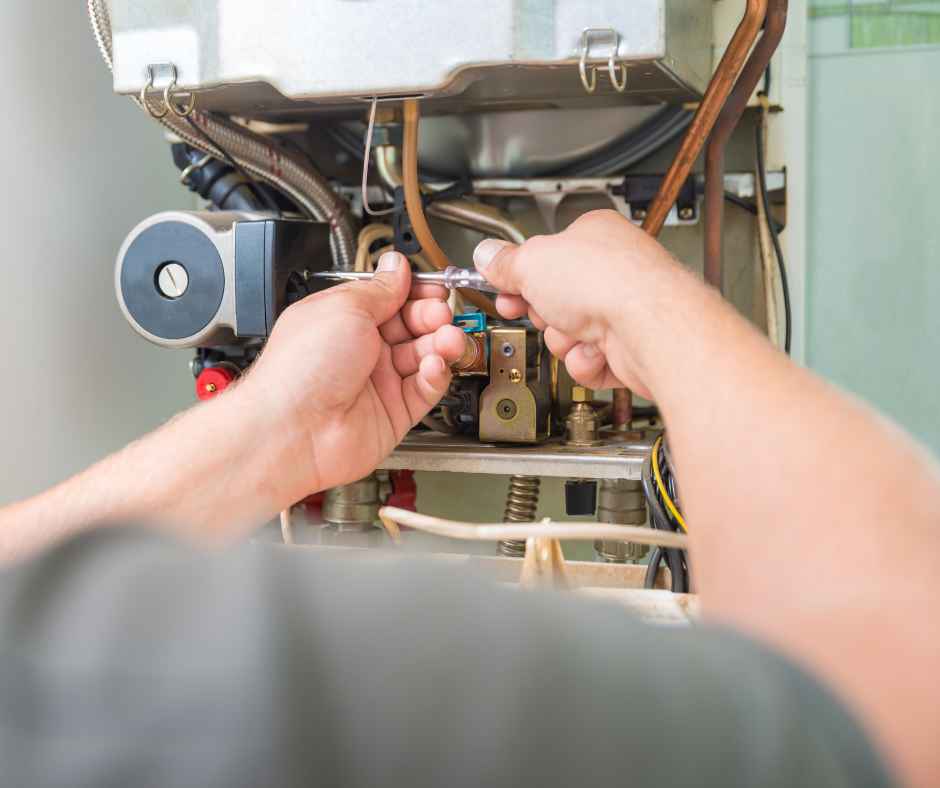
How to Prepare Your Heating System for a Sudden New England Cold Snap
In New England, the weather can shift from a mild afternoon to a bone-chilling freeze in a matter of hours.
In New England, the weather can shift from a mild afternoon to a bone-chilling freeze in a matter of hours.
How to Lower Heating Bills Without Sacrificing Comfort in Massachusetts Homes
Surviving a Massachusetts winter requires more than just a heavy coat and a snow shovel. For homeowners across the state,
Surviving a Massachusetts winter requires more than just a heavy coat and a snow shovel. For homeowners across the state,

25 Plumbing Tips Every Massachusetts Homeowner Should Know
Keep your water flowing smoothly with advice from the experts at MillTown Plumbing, Heating, Cooling & Electrical When it comes
Keep your water flowing smoothly with advice from the experts at MillTown Plumbing, Heating, Cooling & Electrical When it comes
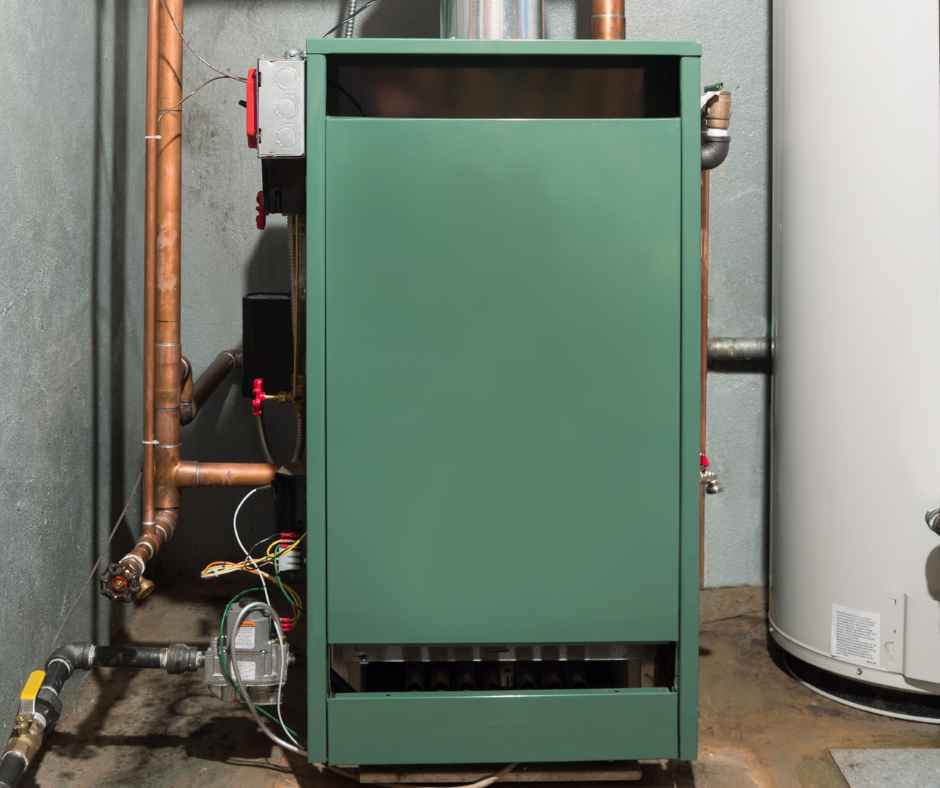
Common Winter HVAC Issues in Massachusetts Homes and When to Call for Service
Massachusetts winters bring freezing temperatures, heavy snowfall, and extended periods of cold weather that place constant strain on home heating
Massachusetts winters bring freezing temperatures, heavy snowfall, and extended periods of cold weather that place constant strain on home heating
Areas In Mass We Service
Acton, MA
Andover, MA
Arlington, MA
Ayer, MA
Bedford, MA
Berlin, MA
Billerica, MA
Bolton, MA
Boxborough, MA
Burlington, MA
Carlisle, MA
Chelmsford, MA
Clinton, MA
Concord, MA
Devens, MA
Dracut, MA
Dunstable, MA
Fitchburg, MA
Georgetown, MA
Groton, MA
Groveland, MA
Harvard, MA
Haverhill, MA
Hudson, MA
Lancaster, MA
Lawrence, MA
Leominster, MA
Lexington, MA
Lincoln, MA
Littleton, MA
Lowell, MA
Lunenburg, MA
Marlborough, MA
Maynard, MA
Methuen, MA
North Andover, MA
North Billerica, MA
North Chelmsford, MA
North Reading, MA
Pepperell, MA
Reading, MA
Shirley, MA
Stoneham, MA
Stow, MA
Sudbury, MA
Tewksbury, MA
Townsend, MA
Tyngsborough, MA
Wakefield, MA
Waltham, MA
Wayland, MA
West Groton, MA
Westford, MA
Weston, MA
Wilmington, MA
Woburn, MA
