★ Locally Trusted With 3140+ 5-Star Reviews ★

Back to Blog
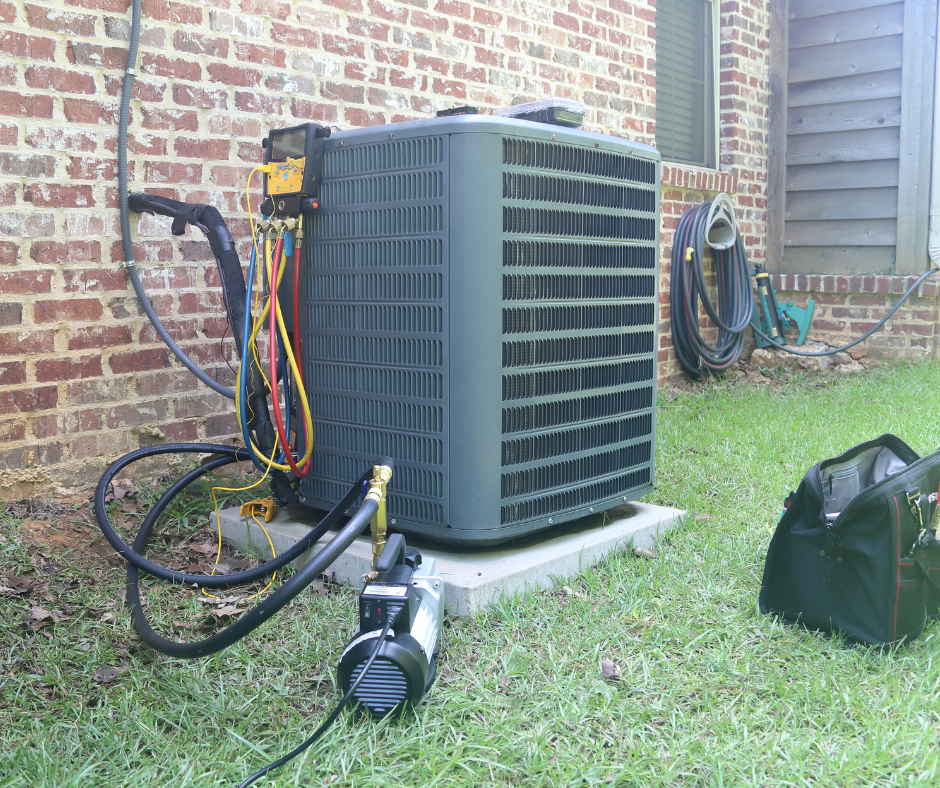
Do I Need a New AC?
Summer heat is no joke when your air conditioner isn’t working like it used to. Maybe the cool breeze just isn’t as strong, or you’ve noticed your energy bill creeping higher each month. As temperatures rise, knowing whether your AC just needs a tune-up or it’s time for a full replacement becomes crucial. Waiting too long can lead to costly breakdowns right when you need cooling the most.
In this blog, we’ll help you understand the telltale signs that your AC may be reaching the end of its lifespan. You’ll learn what to look for, what might be causing the issues, how to fix them—and when it’s time to call in the pros
How to Know if It’s Time for a New AC
Your air conditioner plays a vital role in keeping your home cool and comfortable—especially during the hottest days of the year. But like any appliance, it won’t last forever. Most central AC units are designed to last around 10 to 15 years, depending on how well they’ve been maintained and how often they’re used. Even with regular tune-ups, parts wear down over time, and efficiency drops.
That’s why understanding when it’s time to stop repairing and start replacing your AC is essential. Many homeowners struggle with this decision—hoping for a simple fix when their system acts up, but not realizing it could be a symptom of a bigger issue. Replacing your AC before it fails completely can save you from the discomfort and inconvenience of a mid-summer breakdown—not to mention the frustration of spending money on repeated repairs that don’t fully solve the problem.
Older units also tend to use more energy to cool the same space, which drives up utility costs. On top of that, they may rely on outdated refrigerants that are no longer environmentally friendly or even available. If your system is creeping toward the end of its lifespan, or if it’s simply not keeping your home as comfortable as it used to, it might be time to consider an upgrade.
In the next section, we’ll go over the warning signs that your AC may be on its last legs—and what might be causing those issues in the first place.
Key Signs You Might Need a New AC
When your air conditioner starts struggling, the signs are usually there—you just need to know what to look for. Some problems are easy to spot, while others creep up slowly over time. Paying attention to these symptoms can help you avoid unexpected breakdowns and costly emergency repairs.
Below are the most common signs homeowners notice when their AC is nearing the end of its lifespan.
Common Signs
Keep an eye out for these warning signs:
- Warm Air Coming From Vents: If your AC is blowing warm or room-temperature air, it’s a clear indication something’s not working properly.
- Rising Energy Bills: Have your energy costs gone up even though your usage hasn’t changed? An inefficient AC has to work harder and longer to cool your home.
- Frequent Repairs: Needing constant repairs—especially for major parts like the compressor or evaporator coil—is a sign your system is wearing down.
- Your AC Is Over 10-15 Years Old: Age alone doesn’t mean you need to replace your unit, but once it crosses the 10- to 15-year mark, it’s wise to start planning.
- Strange Noises: Grinding, banging, squealing, or rattling sounds aren’t normal and may point to serious internal damage.
- Inconsistent Temperatures: Are some rooms cool while others feel like a sauna? Uneven cooling often indicates a failing system.
Causes/Why It Happens
Several factors contribute to these issues:
- Normal Wear and Tear: Like any appliance, AC units degrade over time with regular use.
- Dirty or Failing Components: Dust, dirt, and debris can clog filters, coils, and moving parts, leading to poor performance.
- Outdated Technology: Older units aren’t as energy-efficient as modern systems, leading to higher bills and less effective cooling.
- Lack of Regular Maintenance: Skipping annual AC maintenance can shorten your system’s lifespan and cause preventable issues.
If you’re noticing several of these signs happening at once, it’s probably time to think about replacing your air conditioner rather than continuing to repair it.
Solutions or Ways to Fix the Problem
Not every air conditioning issue means you need a brand-new system. In some cases, a small fix or bit of maintenance can get your AC back on track. However, other situations call for the expertise of a professional and possibly investing in a new unit. Understanding the difference can help you make the best decision for your home and budget.
DIY Solutions
Before calling in the experts, there are a few things homeowners can do to troubleshoot or improve AC performance:
- Replace the Air Filter Regularly: A clogged or dirty air filter is one of the most common causes of poor AC performance. Check your filter every 1-3 months and replace it as needed to keep air flowing properly.
- Clear Debris Around the Outdoor Unit: Grass, leaves, dirt, and debris can block airflow around your outdoor condenser unit. Keep at least two feet of clear space around it.
- Check Thermostat Settings: Make sure your thermostat is set to “cool” and that the temperature settings haven’t accidentally been changed.
- Seal Air Leaks: Look for gaps or cracks around doors and windows that might be letting cool air escape. Sealing these can help your AC work more efficiently.
- Clean Vents and Registers: Ensure that all supply and return vents in your home are open and unobstructed by furniture, rugs, or dust buildup.
When to Call a Professional
While minor fixes can improve performance, some problems require the attention of a licensed HVAC technician—especially when safety or major components are involved.
Call a professional if:
- Your AC is 10-15+ Years Old: Even if it’s still running, older units are less efficient and more prone to costly breakdowns.
- Repair Costs Are Adding Up: If the cost of repairs is approaching 50% of the price of a new system, replacement is often the smarter investment.
- Refrigerant Leaks: Low refrigerant levels usually mean there’s a leak somewhere in the system—a problem that should only be handled by a professional.
- Compressor or Motor Failure: These are some of the most expensive parts to replace. If either fails, it often makes more financial sense to replace the unit.
- Inconsistent or Poor Cooling: If your AC is struggling to maintain a comfortable temperature despite regular maintenance, it may no longer be sized properly for your home or is nearing the end of its life.
An HVAC expert from MillTown Plumbing, Heating, Cooling & Electrical can inspect your system, provide honest advice, and help you choose the best solution for your home.
Additional Tips or Maintenance to Prevent the Issue
Whether your AC is brand new or still going strong after a decade, regular care can help it run efficiently and last longer. Preventative maintenance is one of the best ways to avoid unexpected repairs and extend the life of your system.
Here are some simple but effective tips to keep your AC in top shape:
- Schedule Annual Maintenance: Have a professional inspect, clean, and tune up your AC once a year—ideally in the spring before peak cooling season starts.
- Change Air Filters Frequently: Dirty filters restrict airflow and make your system work harder. Swap them out every 1 to 3 months depending on usage and air quality.
- Keep Vents and Registers Clear: Make sure nothing is blocking airflow, like furniture or curtains, and regularly clean dust from vents.
- Install a Programmable Thermostat: This helps reduce wear and tear by adjusting temperatures automatically when you’re away or asleep.
- Upgrade Your Home’s Insulation: Better insulation reduces strain on your AC by keeping conditioned air inside your home.
- Use Ceiling Fans to Assist Cooling: Circulating air helps maintain even temperatures and reduces the load on your AC system.
- Keep the Outdoor Unit Clean: Regularly remove leaves, twigs, and other debris, and trim nearby plants to maintain airflow.
By building these habits into your routine, you can protect your investment and improve your home’s comfort year-round.
Wrap-Up: Call MillTown for AC Replacement Today
Knowing whether you need a new AC can feel overwhelming—but paying attention to the signs can save you money, stress, and uncomfortable summer days. From rising energy bills to frequent repairs, these red flags are your system’s way of telling you it’s time to take action.
While some issues can be solved with simple DIY maintenance, other problems—like refrigerant leaks, compressor failure, or an aging system—require professional attention. Investing in a new, energy-efficient air conditioner not only improves your home comfort but can also lead to long-term savings on your energy bills.
If you’ve noticed any of these warning signs or if your AC just isn’t keeping up with your home’s cooling needs, MillTown Plumbing, Heating, Cooling & Electrical is here to help. Our expert team can assess your system, recommend the best solution, and handle your AC replacement with care and professionalism.
Contact MillTown Plumbing, Heating, Cooling & Electrical today to schedule your AC inspection or replacement consultation—and stay cool and comfortable all summer long.
Recent News
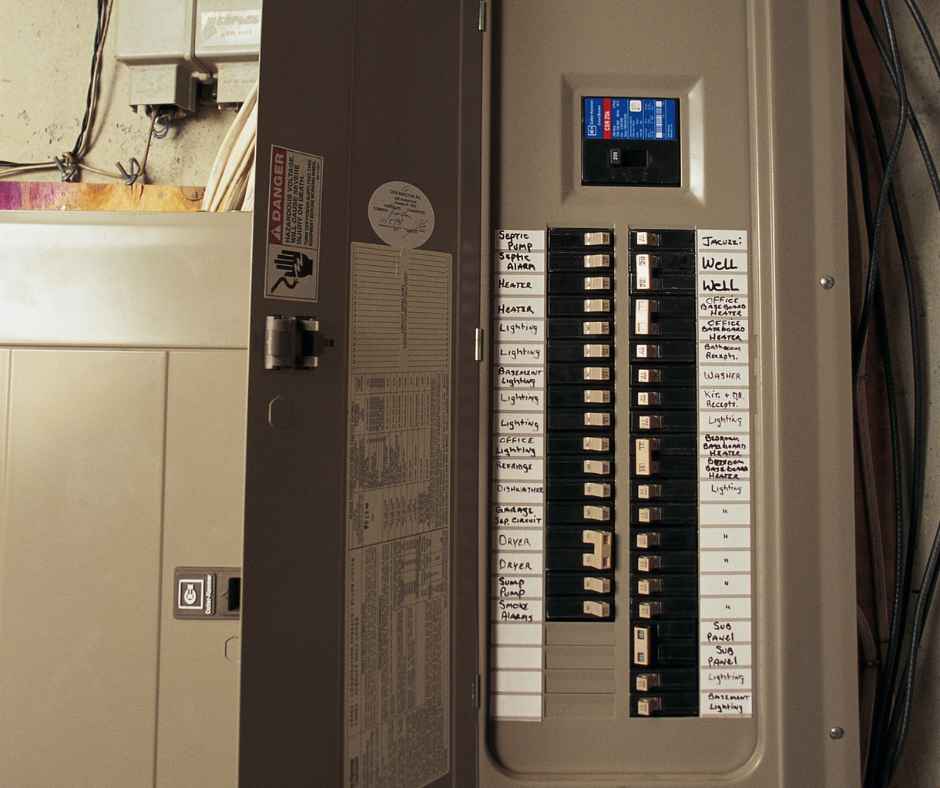
Old Wiring vs. Modern Loads: When Does a Panel Upgrade Become a Safety Necessity in Middlesex County?
A panel upgrade becomes a safety necessity when an older Middlesex County home experiences frequent breaker trips, flickering lights, warm
A panel upgrade becomes a safety necessity when an older Middlesex County home experiences frequent breaker trips, flickering lights, warm
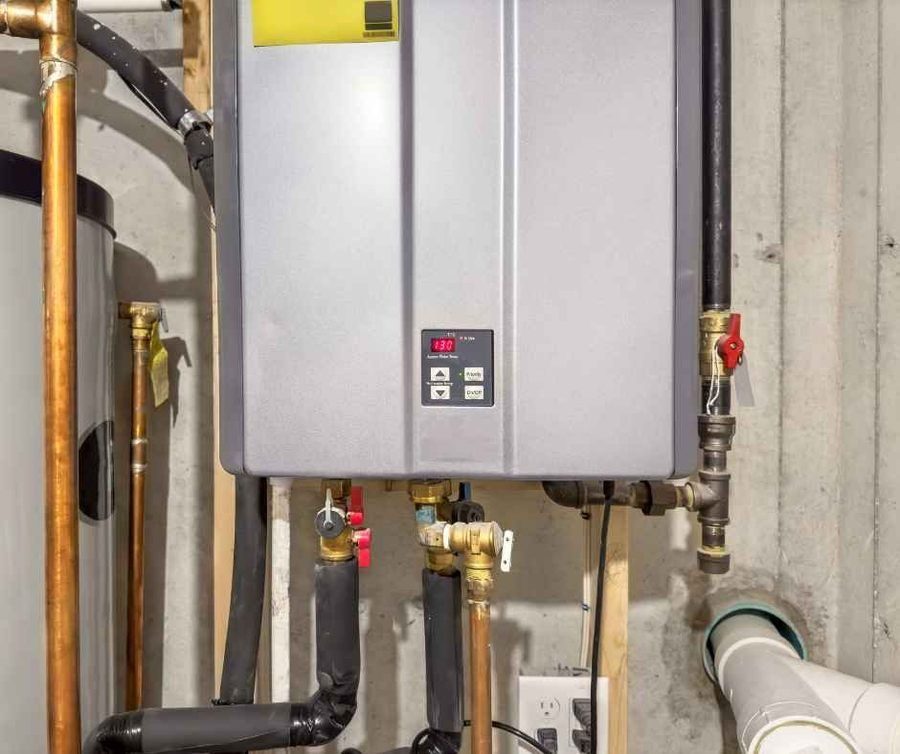
Hard Water & Tankless Systems: Why Massachusetts Mineral Buildup is Your Water Heater’s Worst Enemy
Tankless water heaters can be highly efficient, but mineral buildup can quietly reduce that performance over time. In Massachusetts homes,
Tankless water heaters can be highly efficient, but mineral buildup can quietly reduce that performance over time. In Massachusetts homes,
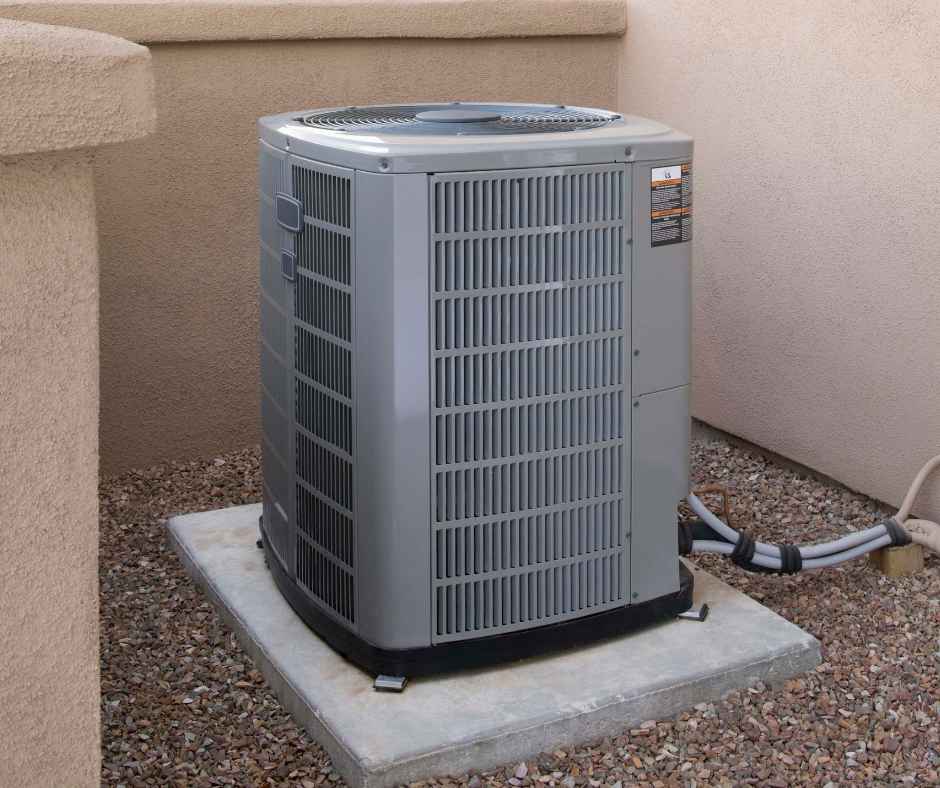
The Cost of Inefficiency: A Deep Dive Into SEER2 Ratings for Massachusetts Homeowners
SEER2 ratings matter because they show how efficiently an air conditioner or heat pump cools your home under updated testing
SEER2 ratings matter because they show how efficiently an air conditioner or heat pump cools your home under updated testing
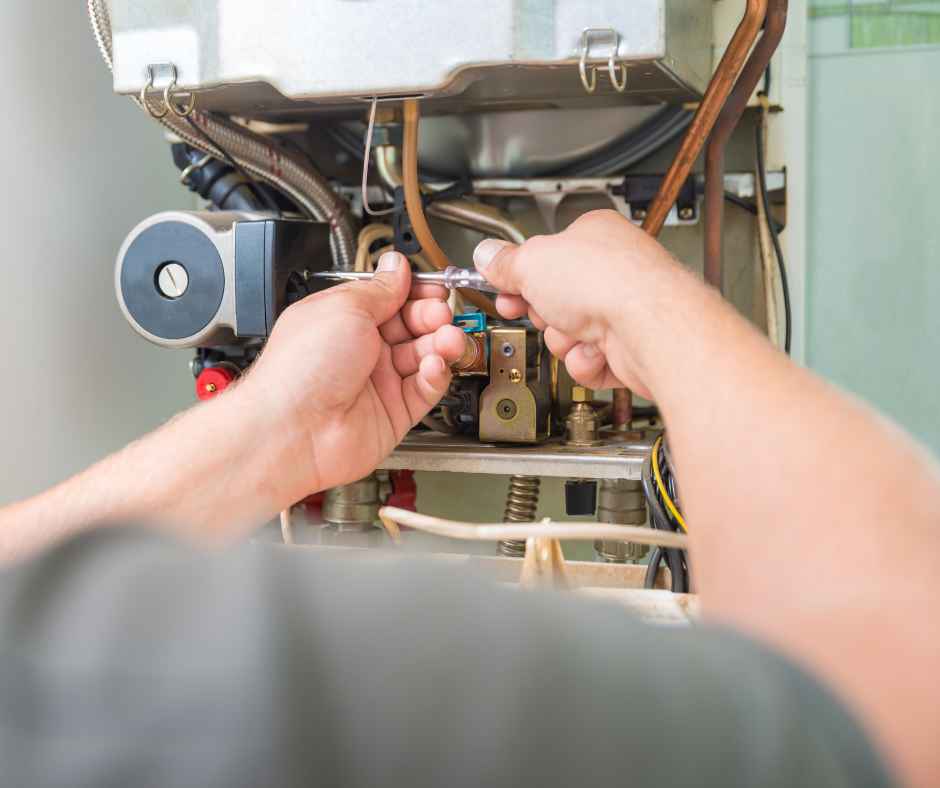
How to Prepare Your Heating System for a Sudden New England Cold Snap
In New England, the weather can shift from a mild afternoon to a bone-chilling freeze in a matter of hours.
In New England, the weather can shift from a mild afternoon to a bone-chilling freeze in a matter of hours.
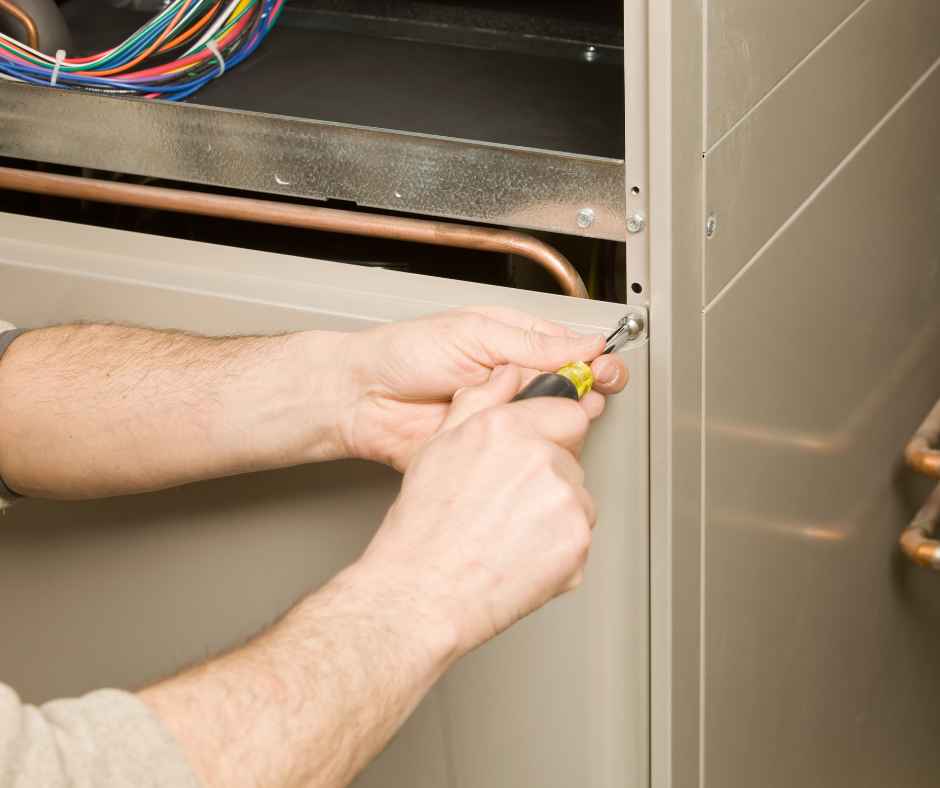
How to Lower Heating Bills Without Sacrificing Comfort in Massachusetts Homes
Surviving a Massachusetts winter requires more than just a heavy coat and a snow shovel. For homeowners across the state,
Surviving a Massachusetts winter requires more than just a heavy coat and a snow shovel. For homeowners across the state,

25 Plumbing Tips Every Massachusetts Homeowner Should Know
Keep your water flowing smoothly with advice from the experts at MillTown Plumbing, Heating, Cooling & Electrical When it comes
Keep your water flowing smoothly with advice from the experts at MillTown Plumbing, Heating, Cooling & Electrical When it comes
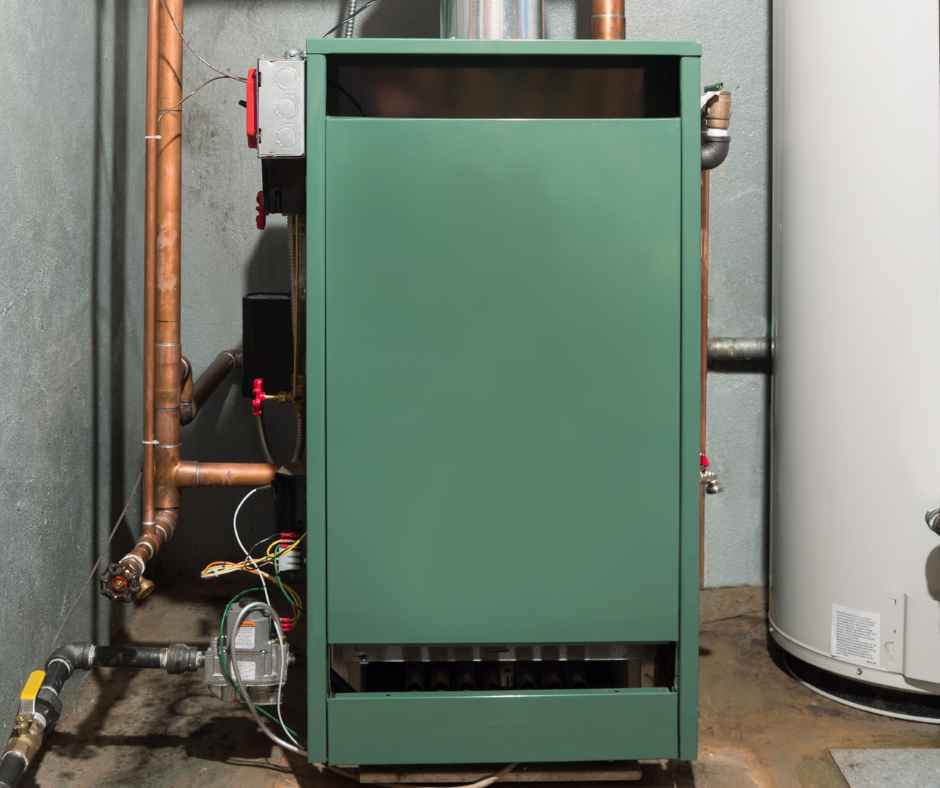
Common Winter HVAC Issues in Massachusetts Homes and When to Call for Service
Massachusetts winters bring freezing temperatures, heavy snowfall, and extended periods of cold weather that place constant strain on home heating
Massachusetts winters bring freezing temperatures, heavy snowfall, and extended periods of cold weather that place constant strain on home heating
Areas In Mass We Service
Acton, MA
Andover, MA
Arlington, MA
Ayer, MA
Bedford, MA
Berlin, MA
Billerica, MA
Bolton, MA
Boxborough, MA
Burlington, MA
Carlisle, MA
Chelmsford, MA
Clinton, MA
Concord, MA
Devens, MA
Dracut, MA
Dunstable, MA
Fitchburg, MA
Georgetown, MA
Groton, MA
Groveland, MA
Harvard, MA
Haverhill, MA
Hudson, MA
Lancaster, MA
Lawrence, MA
Leominster, MA
Lexington, MA
Lincoln, MA
Littleton, MA
Lowell, MA
Lunenburg, MA
Marlborough, MA
Maynard, MA
Methuen, MA
North Andover, MA
North Billerica, MA
North Chelmsford, MA
North Reading, MA
Pepperell, MA
Reading, MA
Shirley, MA
Stoneham, MA
Stow, MA
Sudbury, MA
Tewksbury, MA
Townsend, MA
Tyngsborough, MA
Wakefield, MA
Waltham, MA
Wayland, MA
West Groton, MA
Westford, MA
Weston, MA
Wilmington, MA
Woburn, MA
