★ Locally Trusted With 3175+ 5-Star Reviews ★

Back to Blog
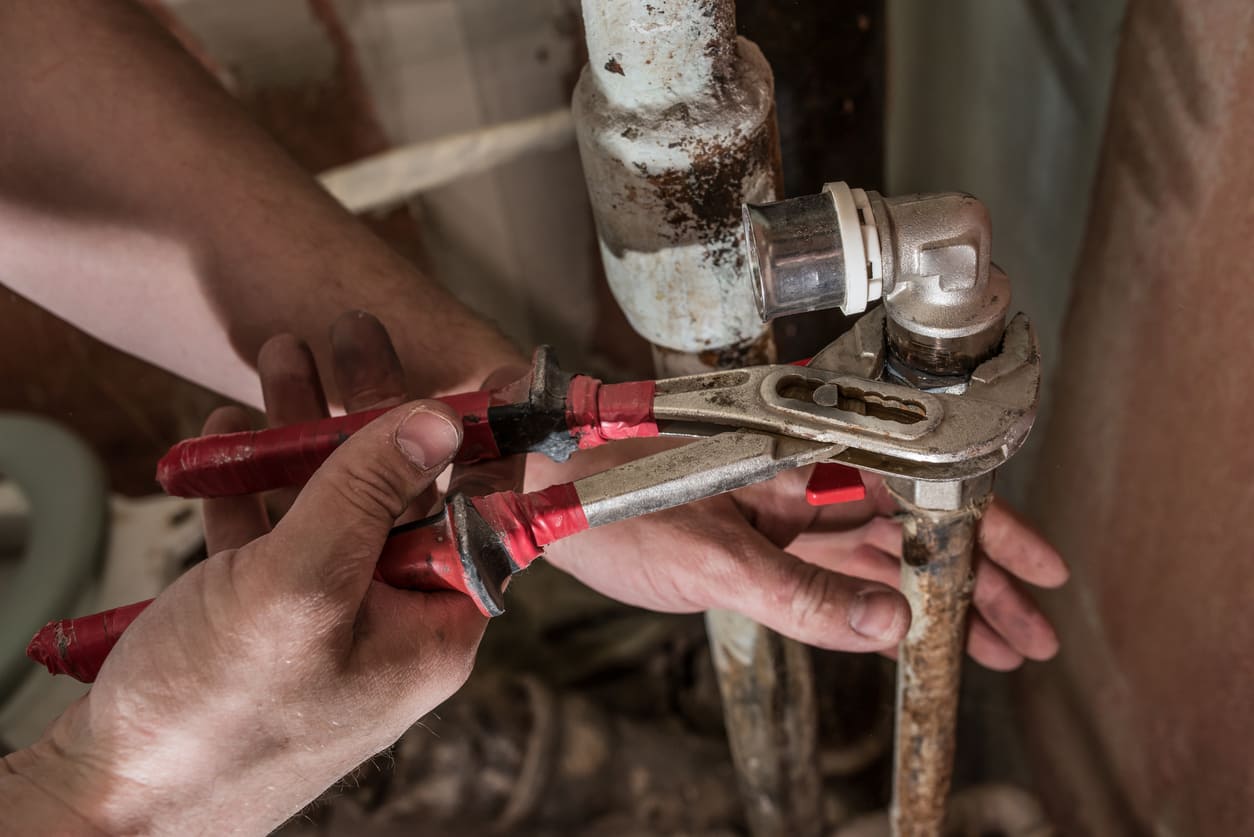
Have an Old House? You Probably Have Old Plumbing
Many homeowners are drawn to older houses for their unique character and charm. However, an older home’s plumbing system can present challenges that new homeowners need to be aware of. Understanding the intricacies of older plumbing systems will arm you with essential knowledge as you navigate your purchase.
Take a Proactive Approach
Staying ahead of potential plumbing issues offers numerous benefits. A trusted professional can conduct a thorough evaluation, potentially saving you from future catastrophes. Ignoring the importance of this could lead to significant home damage in the event of a plumbing crisis, posing risks to your family’s safety and leading to inefficient utility usage and higher costs. Plumbing issues can also necessitate costly repairs to walls, floors, and furnishings due to leaks and flooding.
A small noise might seem insignificant, but it could signal a larger plumbing problem. While some issues like small leaks, noisy toilets, or slow flushing come with warnings, others can emerge suddenly, causing extensive damage from floods or sewage backups. Although home inspections offer a basic check, it’s advisable to have a thorough plumbing assessment by a professional—ideally before the purchase or immediately afterward if you decide to buy the home.
Every plumbing issue is unique, and the best course of action should be determined by a professional. Significant plumbing problems are not DIY-friendly. Sometimes, entire lines need replacement or excavation for a proper fix. Professionals often use cameras to locate issues within the pipes. Ignoring these problems won’t make them disappear. Below are the eight most common plumbing issues you might face as an owner of an older home.
Water and Raw Sewage Issues
Homes built before the 1960s often have galvanized plumbing, consisting of steel pipes coated with zinc for protection. Over time, the zinc erodes, leading to reduced water pressure and compromised water quality, eventually rendering the plumbing useless.
From the late ’70s to the mid-’90s, builders used polybutylene plumbing. Experts have found that over time, the plastic deteriorates, developing cracks due to chlorine and other oxidants in the public water supply, causing sudden and significant damage.
Lead service lines, mainly used to connect outside service lines to your home, pose a significant risk as chemicals cause lead to leach into the water supply. It’s advisable to have your water tested by your supplier. If lead is detected, replacing the service lines is crucial.
A ‘belly’ in your sewer line indicates improper installation or bedding. A sag in the line allows for sediment buildup, leading to clogs and restricted flow.
Many older homes feature concrete or cast iron pipes. Cast iron pipes are only durable for 20 to 30 years before they start to disintegrate, causing soil erosion. Concrete pipes last longer but can still suffer from shifting ground or home movements. These rigid systems can be challenging to locate if installed under the home, where settling may have occurred over time.
Older homes may also face issues with sewer lines and systems, pipe and fixture corrosion, and outdated or unserviceable angle stops and shut-off valves. Municipalities are generally responsible for plumbing up to where it meets the street, so check if they’ve updated the leads to your home. Decades of wear, tear, and corrosion can severely affect shut-off valves and angle stops as sediments settle within them. Replacing them can be difficult depending on their location, and some lines may require ongoing professional maintenance.
MillTown Plumbing Can Help With Home Repiping
Recent News
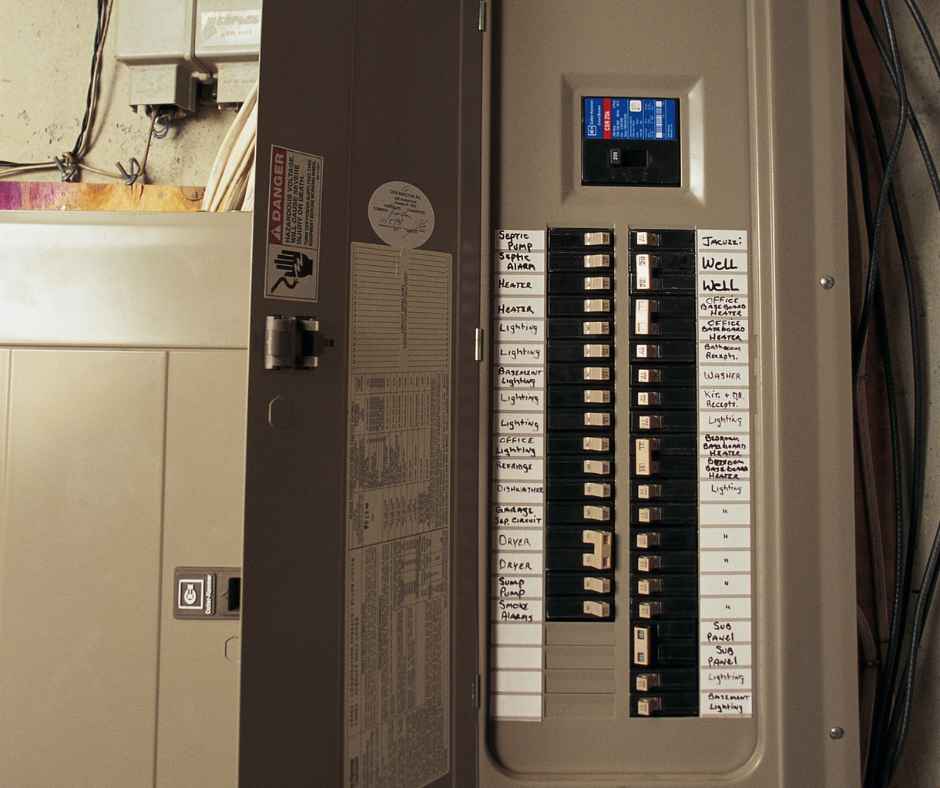
Old Wiring vs. Modern Loads: When Does a Panel Upgrade Become a Safety Necessity in Middlesex County?
A panel upgrade becomes a safety necessity when an older Middlesex County home experiences frequent breaker trips, flickering lights, warm
A panel upgrade becomes a safety necessity when an older Middlesex County home experiences frequent breaker trips, flickering lights, warm
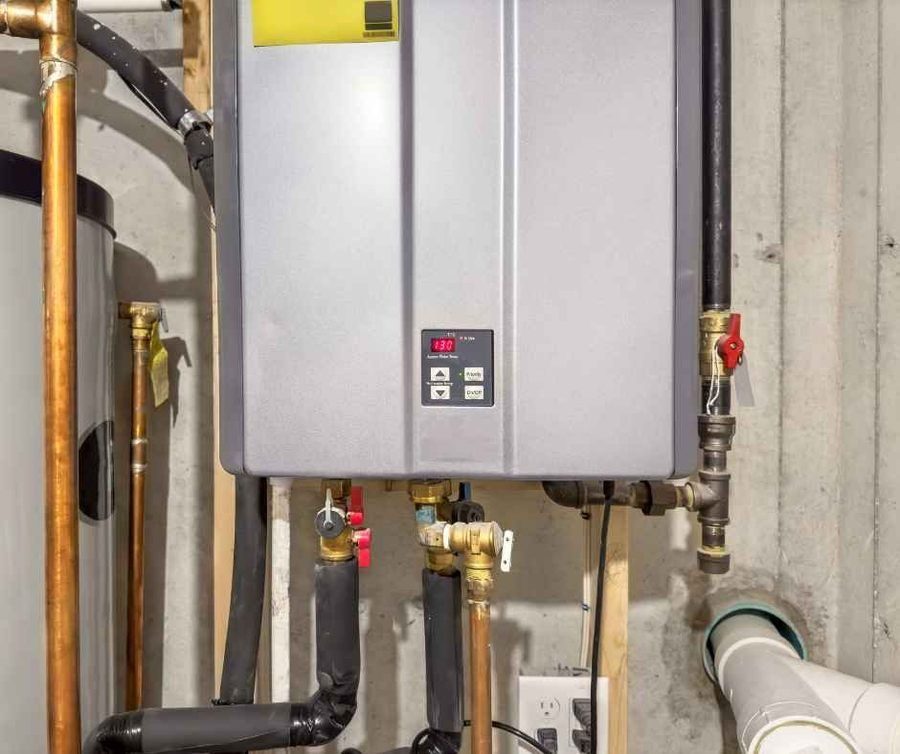
Hard Water & Tankless Systems: Why Massachusetts Mineral Buildup is Your Water Heater’s Worst Enemy
Tankless water heaters can be highly efficient, but mineral buildup can quietly reduce that performance over time. In Massachusetts homes,
Tankless water heaters can be highly efficient, but mineral buildup can quietly reduce that performance over time. In Massachusetts homes,
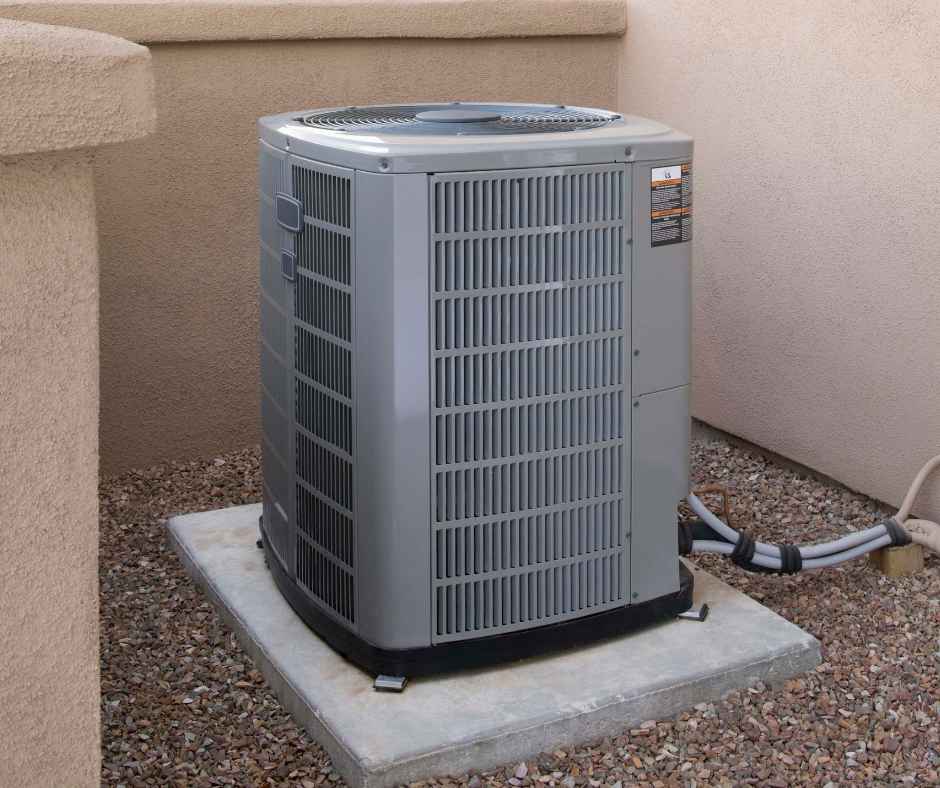
The Cost of Inefficiency: A Deep Dive Into SEER2 Ratings for Massachusetts Homeowners
SEER2 ratings matter because they show how efficiently an air conditioner or heat pump cools your home under updated testing
SEER2 ratings matter because they show how efficiently an air conditioner or heat pump cools your home under updated testing
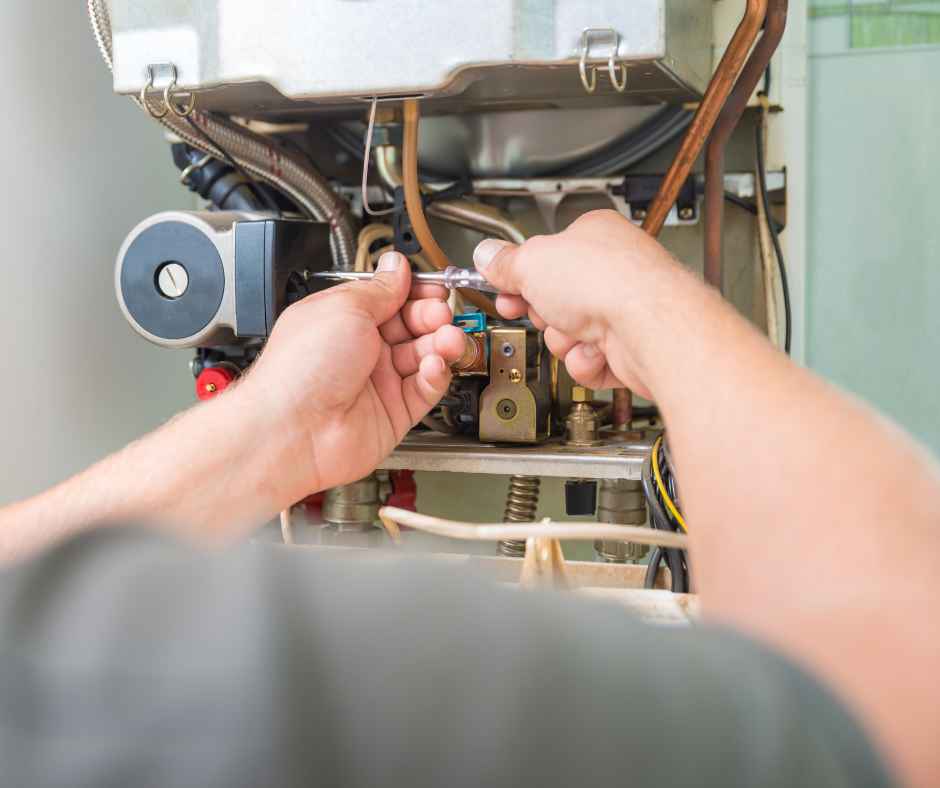
How to Prepare Your Heating System for a Sudden New England Cold Snap
In New England, the weather can shift from a mild afternoon to a bone-chilling freeze in a matter of hours.
In New England, the weather can shift from a mild afternoon to a bone-chilling freeze in a matter of hours.
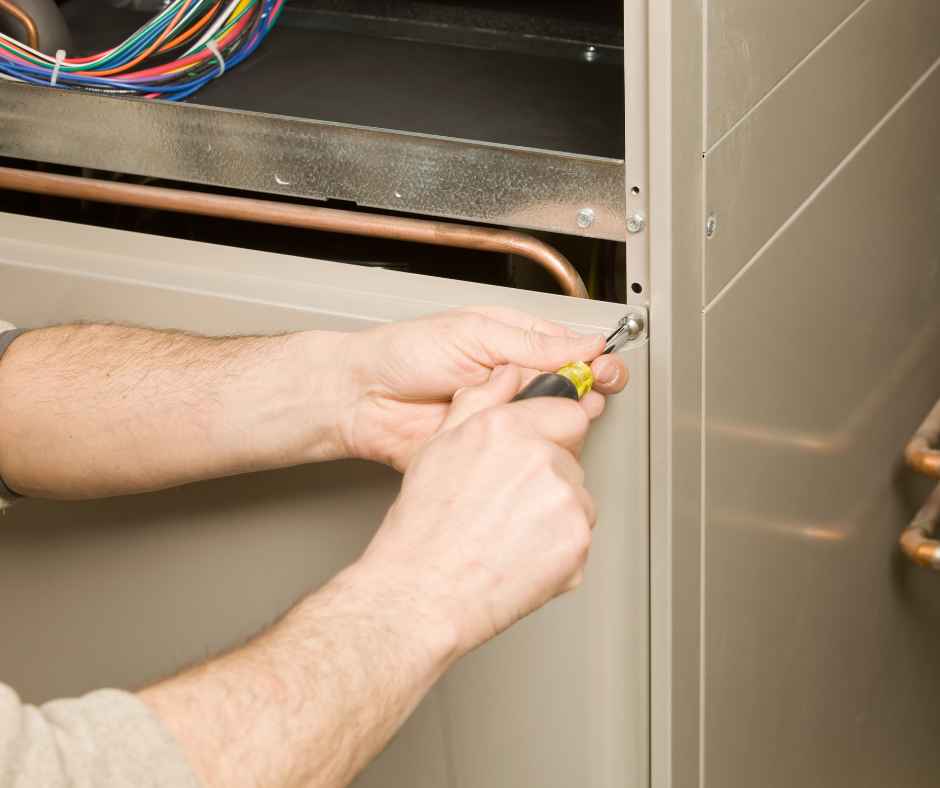
How to Lower Heating Bills Without Sacrificing Comfort in Massachusetts Homes
Surviving a Massachusetts winter requires more than just a heavy coat and a snow shovel. For homeowners across the state,
Surviving a Massachusetts winter requires more than just a heavy coat and a snow shovel. For homeowners across the state,

25 Plumbing Tips Every Massachusetts Homeowner Should Know
Keep your water flowing smoothly with advice from the experts at MillTown Plumbing, Heating, Cooling & Electrical When it comes
Keep your water flowing smoothly with advice from the experts at MillTown Plumbing, Heating, Cooling & Electrical When it comes
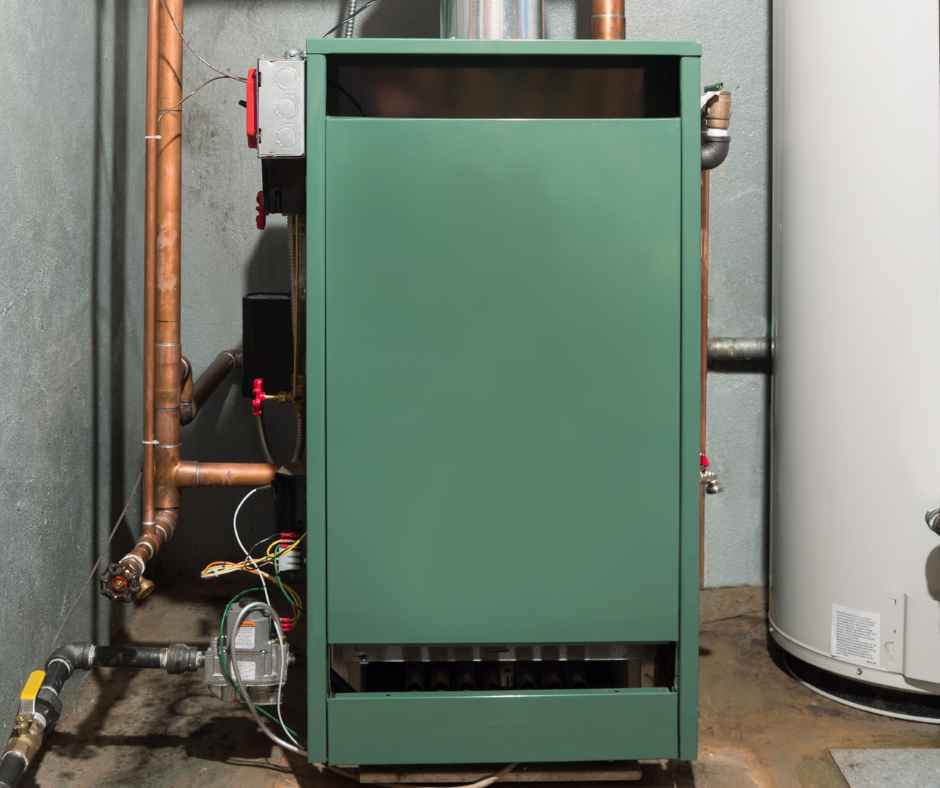
Common Winter HVAC Issues in Massachusetts Homes and When to Call for Service
Massachusetts winters bring freezing temperatures, heavy snowfall, and extended periods of cold weather that place constant strain on home heating
Massachusetts winters bring freezing temperatures, heavy snowfall, and extended periods of cold weather that place constant strain on home heating
Areas In Mass We Service
Acton, MA
Andover, MA
Arlington, MA
Ayer, MA
Bedford, MA
Berlin, MA
Billerica, MA
Bolton, MA
Boxborough, MA
Burlington, MA
Carlisle, MA
Chelmsford, MA
Clinton, MA
Concord, MA
Devens, MA
Dracut, MA
Dunstable, MA
Fitchburg, MA
Georgetown, MA
Groton, MA
Groveland, MA
Harvard, MA
Haverhill, MA
Hudson, MA
Lancaster, MA
Lawrence, MA
Leominster, MA
Lexington, MA
Lincoln, MA
Littleton, MA
Lowell, MA
Lunenburg, MA
Marlborough, MA
Maynard, MA
Methuen, MA
North Andover, MA
North Billerica, MA
North Chelmsford, MA
North Reading, MA
Pepperell, MA
Reading, MA
Shirley, MA
Stoneham, MA
Stow, MA
Sudbury, MA
Tewksbury, MA
Townsend, MA
Tyngsborough, MA
Wakefield, MA
Waltham, MA
Wayland, MA
West Groton, MA
Westford, MA
Weston, MA
Wilmington, MA
Woburn, MA
