★ Locally Trusted With 3140+ 5-Star Reviews ★

Back to Blog
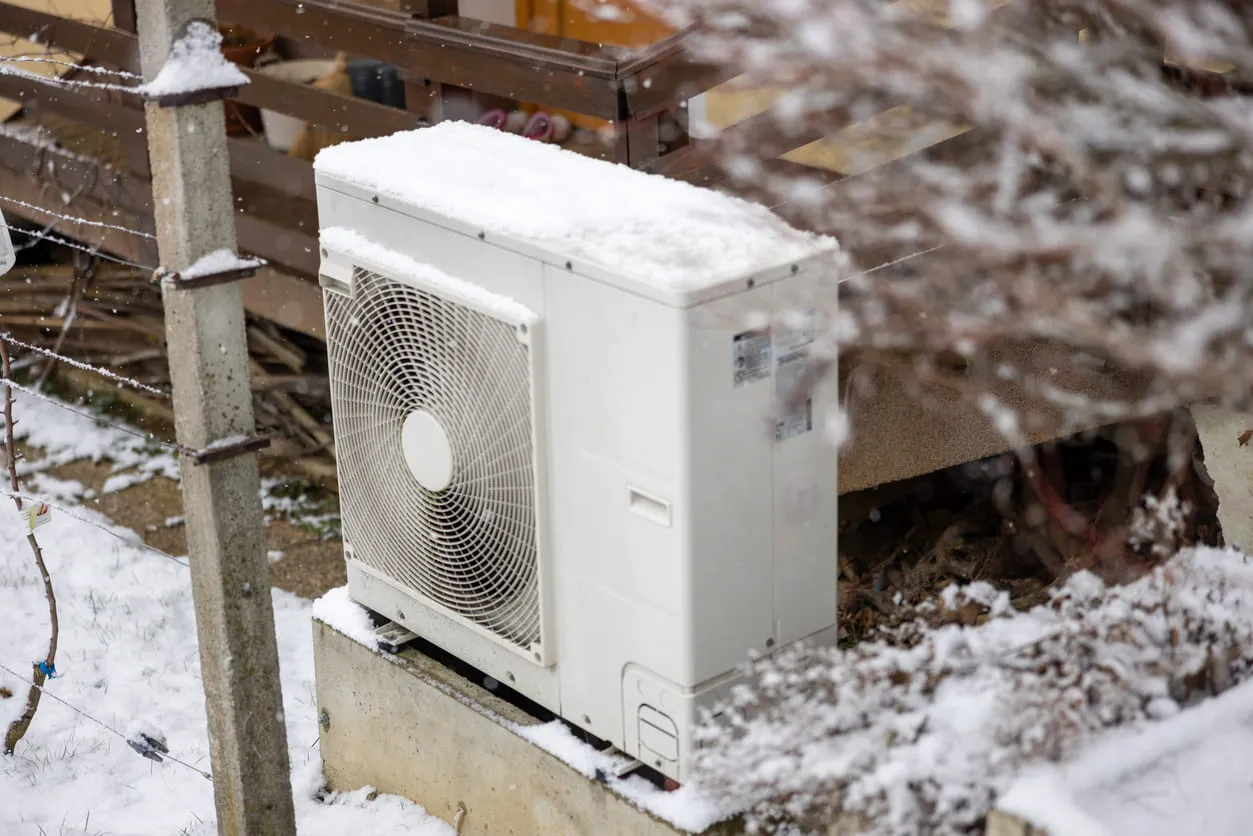
How Does A Heat Pump Work?
In recent years, heat pumps have gained tremendous popularity in the heating and cooling industry. These versatile systems offer an energy-efficient solution to keep your home comfortable year-round. But have you ever wondered, “How does a heat pump work?” In this comprehensive guide, we’ll dive into the inner workings of heat pumps, their components, heating and cooling cycles, types, benefits, and maintenance tips. Whether you’re considering installing one or just curious about how a heat pump operates, read on to uncover the secrets behind this remarkable technology. MillTown has been providing professional heat pump services for local homeowners and business owners for years. Contact us today to learn more about our heat pump services!
What Is a Heat Pump?
A heat pump is an HVAC (Heating, Ventilation, and Air Conditioning) system that can both heat and cool spaces. It achieves this by transferring heat from one location to another using a refrigeration cycle. Essentially, it works similarly to a refrigerator but in reverse. Instead of removing heat from the inside and expelling it outside, a heat pump can do the opposite, making it a highly efficient heating and cooling system.
Heat Pump Components
To understand how a heat pump works, let’s take a look at its key components:
- Evaporator Coil: Located inside your home, it absorbs heat from the indoor air.
- Compressor: This component increases the temperature and pressure of the refrigerant gas.
- Condenser Coil: Located outside your home, it releases heat into the outdoor air.
- Refrigerant: A special fluid that circulates through the system, transferring heat.
How Does a Heat Pump Work?
A heat pump operates through two main cycles: the heating cycle and the cooling cycle.
Heating Cycle:
- The evaporator coil absorbs heat from indoor air.
- The refrigerant, now in a gaseous state, is compressed by the compressor.
- The compressed gas releases heat as it passes through the condenser coil.
- The hot air generated is then distributed throughout your home via ducts or a blower.
Cooling Cycle:
- The refrigerant absorbs heat from indoor air in the evaporator coil.
- The compressor increases the pressure and temperature of the refrigerant.
- The heat is released outdoors via the condenser coil.
- The cooled air is circulated indoors to maintain a comfortable temperature.
What Are the Different Types of Heat Pumps?
Heat pumps come in various types, each operating through different means:
- Air Source Heat Pumps
: Extract heat from the outdoor air. - Ground Source Heat Pumps (Geothermal)
: Utilize the stable temperature of the earth to exchange heat. - Ductless Mini-Split Heat Pumps
: Provide zonal heating and cooling without ductwork.
Benefits
Heat pumps offer numerous advantages:
- Energy Efficiency: They can be up to three times more efficient than traditional heating and cooling systems.
- Year-Round Comfort: Provide both heating and cooling capabilities in one unit.
- Environmental Friendliness: Generate fewer greenhouse gas emissions.
- Cost Savings: Lower energy bills over time due to their efficiency.
- Longevity: With proper maintenance, they can last for many years.
Maintenance and Care
To ensure your heat pump operates at peak performance, regular maintenance is crucial. It is highly recommended that you schedule a professional heat pump service with a trusted HVAC technician like MillTown Plumbing. At MillTown, we deliver quick and reliable solutions for your heating systems. Before scheduling your service, here are some maintenance tasks you should consider:
- Cleaning or replacing filters regularly.
- Checking refrigerant levels.
- Cleaning outdoor coils.
- Scheduling professional inspections.
Modern Heating and Cooling Systems
Heat pumps are a remarkable technology that offers efficient and versatile heating and cooling solutions for your home. From understanding their components to grasping the heating and cooling cycles, we hope this guide has provided you with valuable insights into how a heat pump works. If you’re considering installing one, it’s essential to choose the right type and remember to invest in routine maintenance to keep it running smoothly. Embrace the future of HVAC technology and enjoy year-round comfort with a heat pump. Contact us today for expert heat pump services!
Recent News
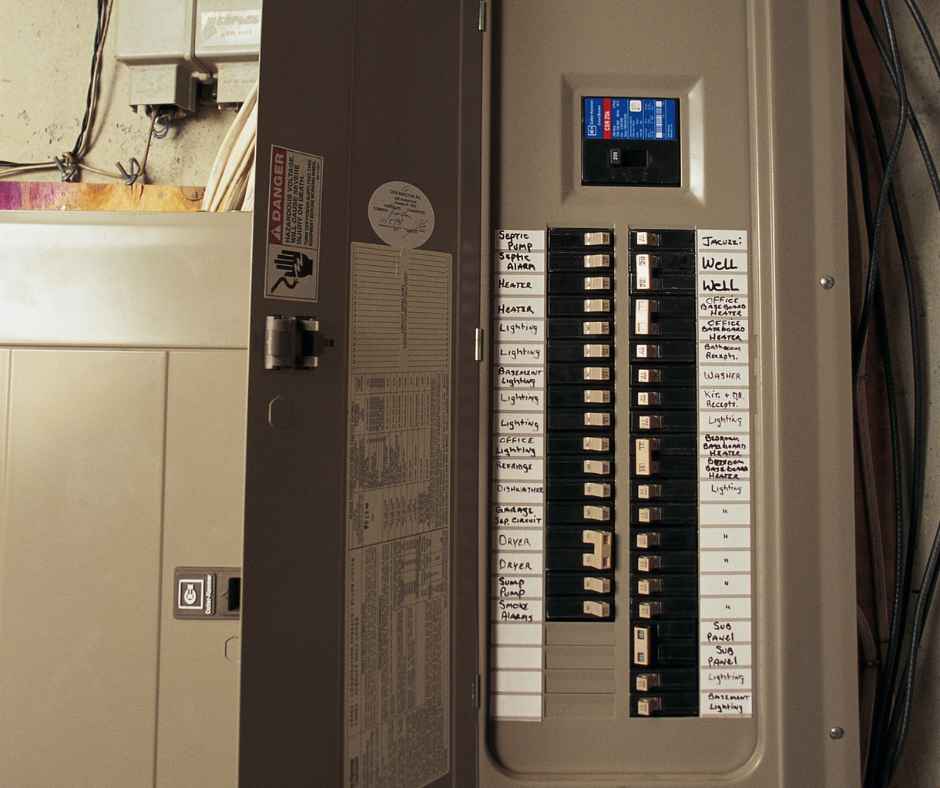
Old Wiring vs. Modern Loads: When Does a Panel Upgrade Become a Safety Necessity in Middlesex County?
A panel upgrade becomes a safety necessity when an older Middlesex County home experiences frequent breaker trips, flickering lights, warm
A panel upgrade becomes a safety necessity when an older Middlesex County home experiences frequent breaker trips, flickering lights, warm
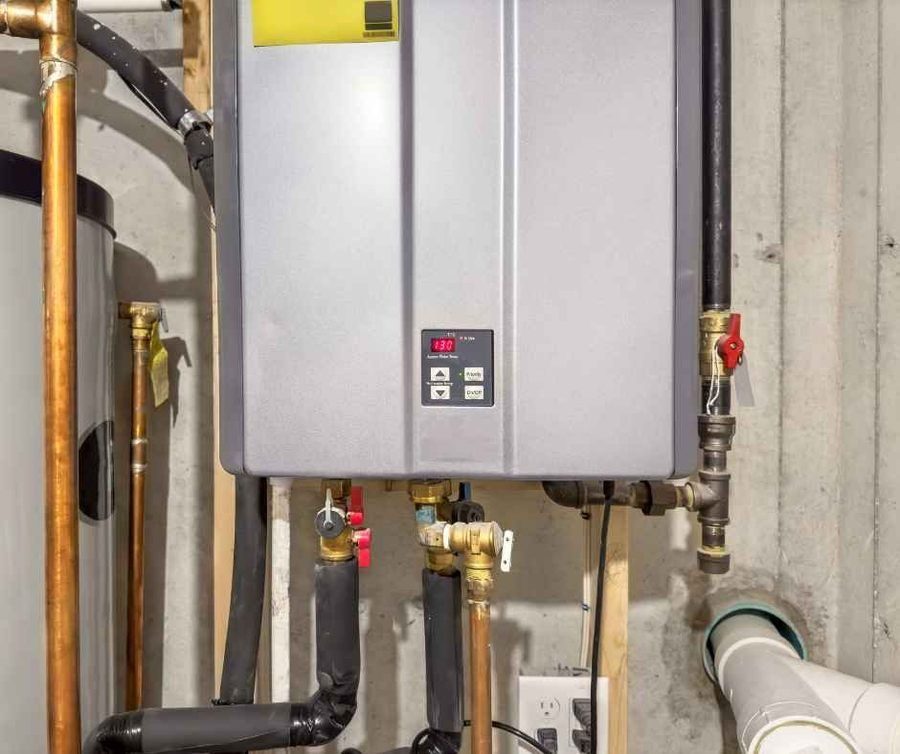
Hard Water & Tankless Systems: Why Massachusetts Mineral Buildup is Your Water Heater’s Worst Enemy
Tankless water heaters can be highly efficient, but mineral buildup can quietly reduce that performance over time. In Massachusetts homes,
Tankless water heaters can be highly efficient, but mineral buildup can quietly reduce that performance over time. In Massachusetts homes,
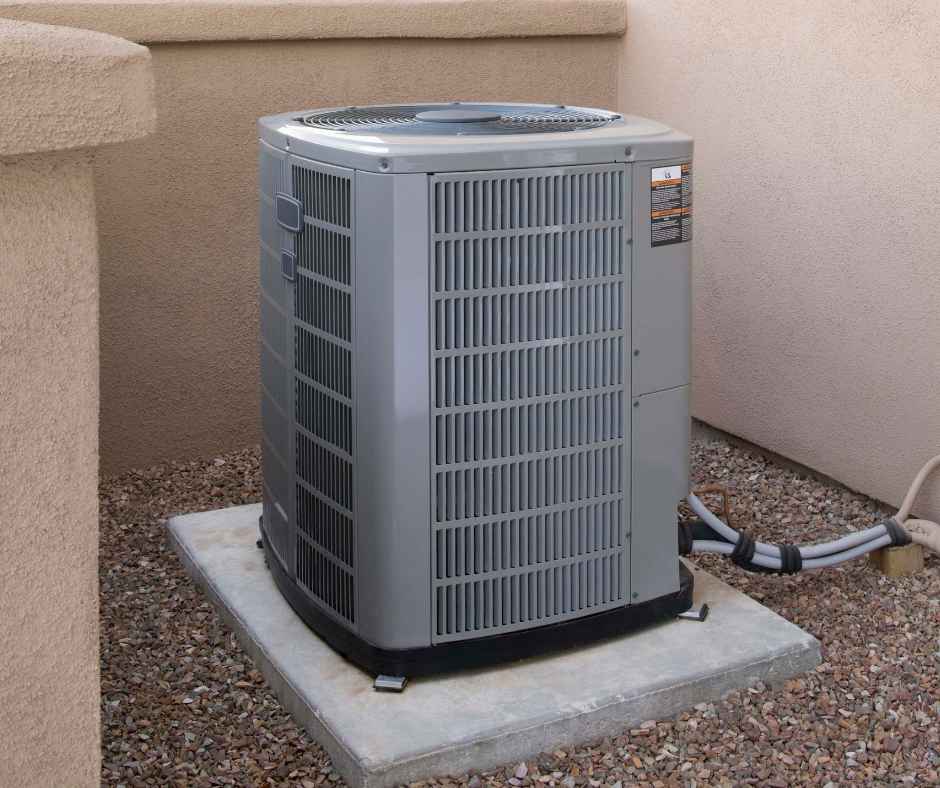
The Cost of Inefficiency: A Deep Dive Into SEER2 Ratings for Massachusetts Homeowners
SEER2 ratings matter because they show how efficiently an air conditioner or heat pump cools your home under updated testing
SEER2 ratings matter because they show how efficiently an air conditioner or heat pump cools your home under updated testing
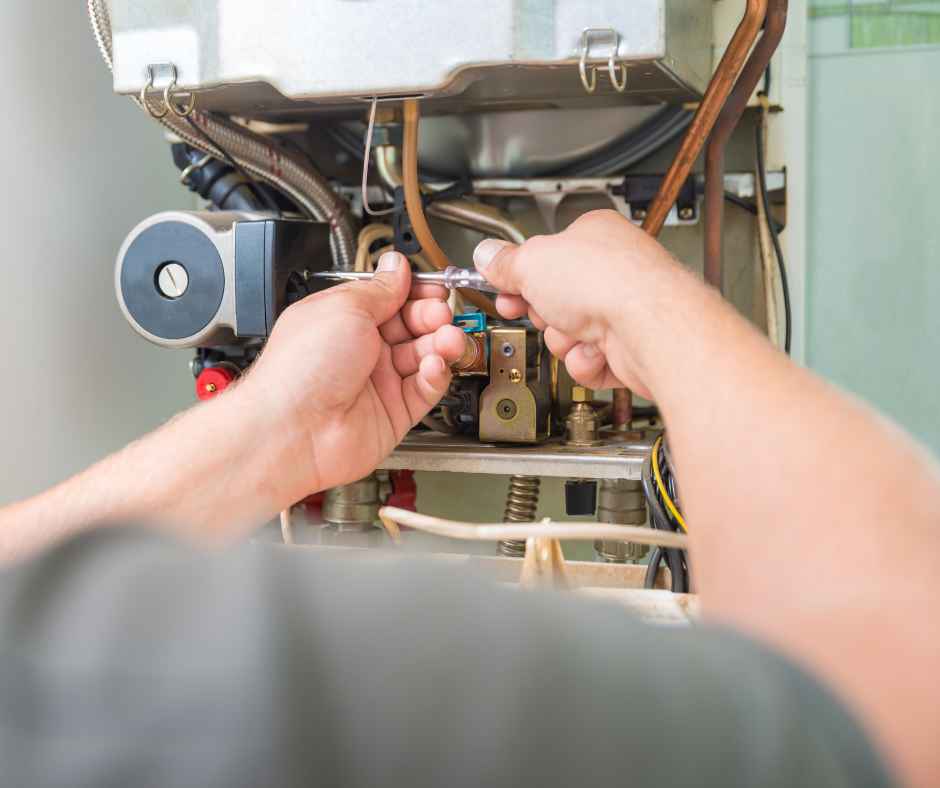
How to Prepare Your Heating System for a Sudden New England Cold Snap
In New England, the weather can shift from a mild afternoon to a bone-chilling freeze in a matter of hours.
In New England, the weather can shift from a mild afternoon to a bone-chilling freeze in a matter of hours.
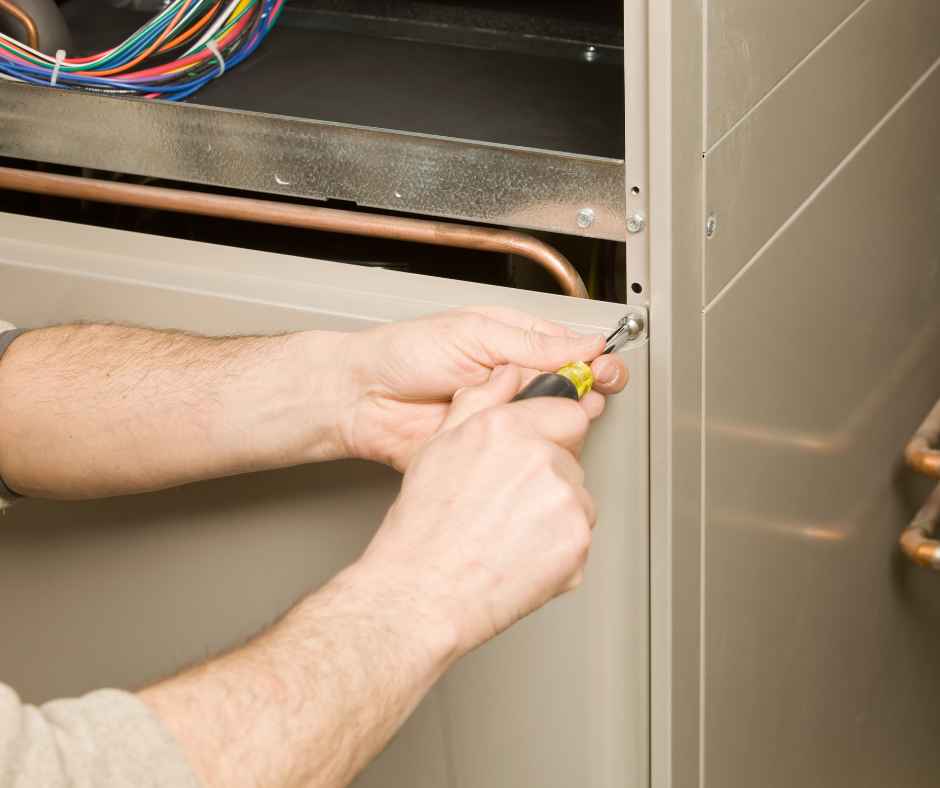
How to Lower Heating Bills Without Sacrificing Comfort in Massachusetts Homes
Surviving a Massachusetts winter requires more than just a heavy coat and a snow shovel. For homeowners across the state,
Surviving a Massachusetts winter requires more than just a heavy coat and a snow shovel. For homeowners across the state,
25 Plumbing Tips Every Massachusetts Homeowner Should Know
Keep your water flowing smoothly with advice from the experts at MillTown Plumbing, Heating, Cooling & Electrical When it comes
Keep your water flowing smoothly with advice from the experts at MillTown Plumbing, Heating, Cooling & Electrical When it comes
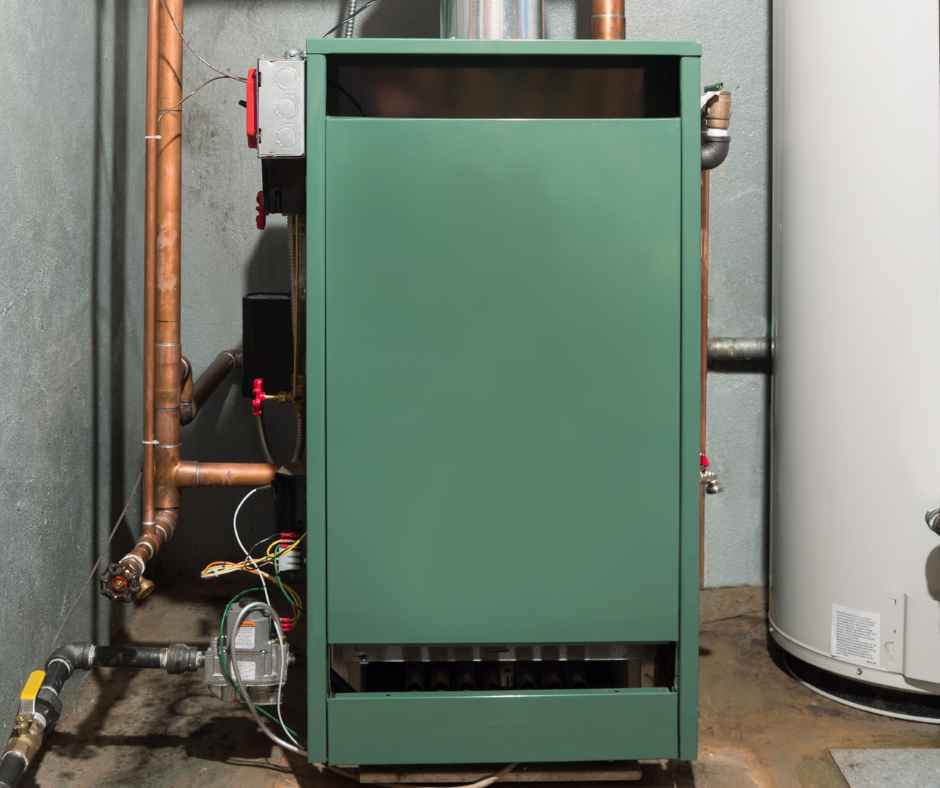
Common Winter HVAC Issues in Massachusetts Homes and When to Call for Service
Massachusetts winters bring freezing temperatures, heavy snowfall, and extended periods of cold weather that place constant strain on home heating
Massachusetts winters bring freezing temperatures, heavy snowfall, and extended periods of cold weather that place constant strain on home heating
Areas In Mass We Service
Acton, MA
Andover, MA
Arlington, MA
Ayer, MA
Bedford, MA
Berlin, MA
Billerica, MA
Bolton, MA
Boxborough, MA
Burlington, MA
Carlisle, MA
Chelmsford, MA
Clinton, MA
Concord, MA
Devens, MA
Dracut, MA
Dunstable, MA
Fitchburg, MA
Georgetown, MA
Groton, MA
Groveland, MA
Harvard, MA
Haverhill, MA
Hudson, MA
Lancaster, MA
Lawrence, MA
Leominster, MA
Lexington, MA
Lincoln, MA
Littleton, MA
Lowell, MA
Lunenburg, MA
Marlborough, MA
Maynard, MA
Methuen, MA
North Andover, MA
North Billerica, MA
North Chelmsford, MA
North Reading, MA
Pepperell, MA
Reading, MA
Shirley, MA
Stoneham, MA
Stow, MA
Sudbury, MA
Tewksbury, MA
Townsend, MA
Tyngsborough, MA
Wakefield, MA
Waltham, MA
Wayland, MA
West Groton, MA
Westford, MA
Weston, MA
Wilmington, MA
Woburn, MA
