★ Locally Trusted With 3175+ 5-Star Reviews ★

Back to Blog
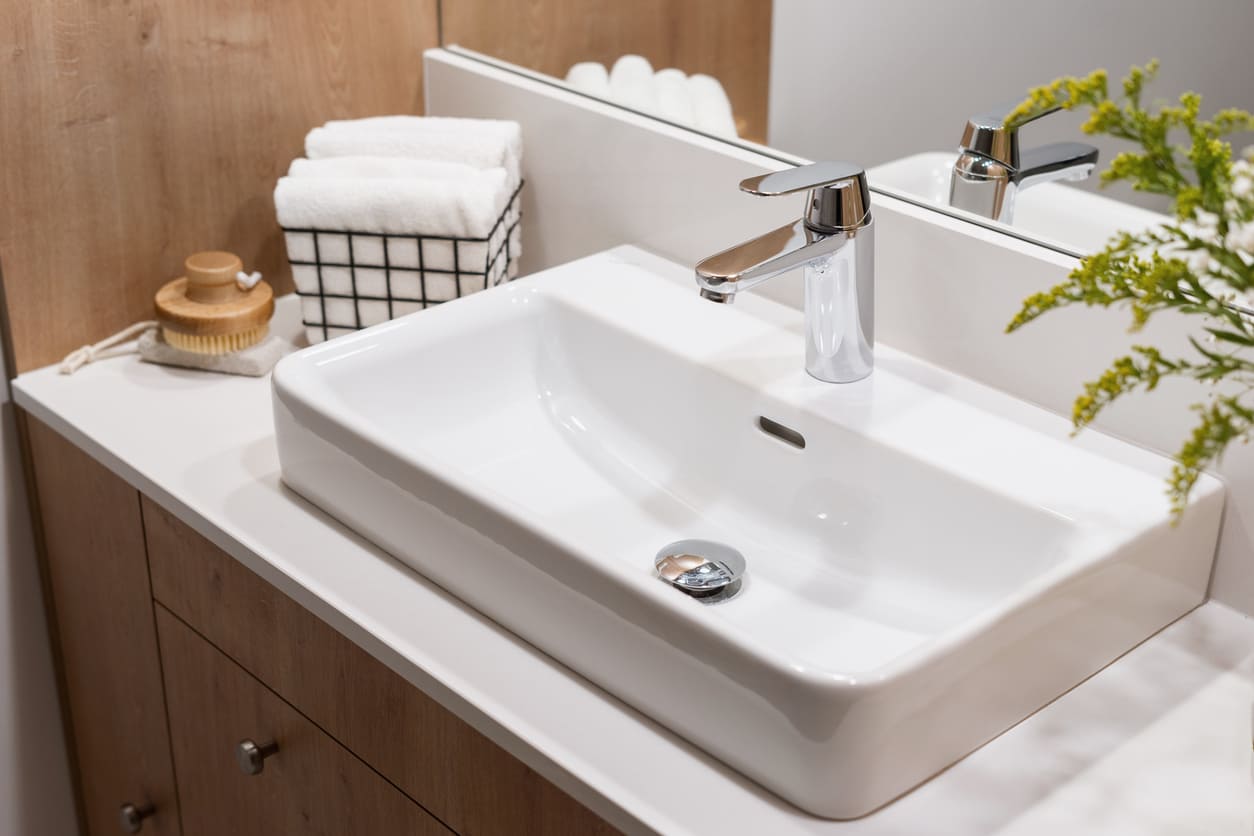
8 Energy Efficient Plumbing Fixtures
Plumbing Solutions by MillTown Plumbing
There are several benefits of having an energy-efficient home; not just for the environment and your health and safety, but for your wallet as well. When it comes to energy-efficient fixtures, most people don’t think about their plumbing. However, old and outdated plumbing fixtures not only waste water and energy, but they can also end up costing you hundreds, if not thousands, of dollars over time.
The Pains of a Low-Efficiency Plumbing System
The challenges of a low-efficiency plumbing system can be numerous. While they may seem minor individually, together they can create a significant headache for homeowners.
Higher utility bills, a larger carbon footprint, and health and safety risks are some of the main issues linked to low-efficient plumbing systems. Older appliances like dishwashers and washing machines are not only less efficient but also made with outdated technology that can jeopardize your family’s health.
Older toilets use much more water than newer models for the same job, which wastes water and can increase your water bill by hundreds of dollars over the toilet’s lifetime. Similarly, new showerheads provide more pressure than older models while using much less water.
Eight Energy-Efficient Plumbing Features to Save You Money and Reduce Your Carbon Footprint:
- Fix and Upgrade Leaky Pipes and Fixtures: A leaky faucet can waste up to 20 gallons of water a day, leading to thousands of gallons and potentially hundreds of dollars wasted annually. Additionally, leaky pipes and faucets can be a breeding ground for mold spores, posing serious health risks. Untreated leaky fixtures can cause water damage that may cost tens of thousands of dollars to repair.
- Low-Flow Showerheads: Low-flow showerheads have significantly improved since their introduction decades ago. Thanks to advancements in technology, they now offer more pressure with less water. Older showerheads used 5 to 8 gallons of water per minute (GPM), whereas current standards are 2.5 GPM, with low-flow showerheads using as little as 2 GPM.
- Insulate Pipes: Heat can be lost while hot water travels through plumbing fixtures. Insulating pipes reduces this heat loss, allowing you to lower your water heater temperature to 120 degrees or lower. While paying someone to insulate your home’s pipes may not always be cost-effective, it’s a great option during new construction or major remodels.
- Low-Flow Faucets: Replacing existing faucets with low-flow faucets can conserve water without sacrificing water pressure. These new fixtures can reduce water usage from 2.5 GPM to 1.5 GPM, saving up to 13,000 gallons of water annually for a typical household, which translates to substantial savings. Some kitchen faucets also offer built-in filtered water features, helping you cut down on bottled water consumption.
- High-Efficiency Toilets (HET): Over 40% of U.S. households use older toilets that consume 3.5 or more gallons per flush. Newer models use as little as 1 gallon per flush and often offer dual flushing capabilities, making them one of the most energy-efficient options. Look for the Environmental Protection Agency’s “WaterSense” label, indicating the toilet has been tested for maximum flushing power and water efficiency.
- Tankless Water Heaters: Also known as on-demand water heaters, these units heat water only when needed. Although they may be expensive upfront, their energy-saving capabilities make them worthwhile. Traditional water heaters keep 40 to 50 gallons of water hot at all times, which is incredibly wasteful and inefficient.
- Update Washer and Dryer: Older washing machines feature top-loading designs where water fills up from the bottom. Newer front-loading machines use up to 50% less water. Modern dryers have more efficient heating units that dry clothes faster, saving energy. Additionally, washing only full loads of laundry can result in significant savings.
- Regular Maintenance: Proper maintenance of your plumbing fixtures is crucial if you’re concerned about wasting money or energy. Regular check-ups and maintenance can help detect small problems before they become major issues, potentially saving you money in the long run.
Looking to Upgrade? Call MillTown Plumbing
MillTown Plumbing is a family-owned and operated business established in 1979. Ever since our founding, we have been committed to serving the people of Northeastern Massachusetts and Southern New Hampshire. Our licensed and bonded plumbers offer honest answers to all your plumbing questions and provide cost-effective, lasting solutions to keep your home healthy and safe. This commitment to your satisfaction has guided us for over 35 years, making us the trusted choice for quality plumbing repairs in Northeastern Mass and Southern NH.
Recent News
Old Wiring vs. Modern Loads: When Does a Panel Upgrade Become a Safety Necessity in Middlesex County?
A panel upgrade becomes a safety necessity when an older Middlesex County home experiences frequent breaker trips, flickering lights, warm
A panel upgrade becomes a safety necessity when an older Middlesex County home experiences frequent breaker trips, flickering lights, warm
Hard Water & Tankless Systems: Why Massachusetts Mineral Buildup is Your Water Heater’s Worst Enemy
Tankless water heaters can be highly efficient, but mineral buildup can quietly reduce that performance over time. In Massachusetts homes,
Tankless water heaters can be highly efficient, but mineral buildup can quietly reduce that performance over time. In Massachusetts homes,
The Cost of Inefficiency: A Deep Dive Into SEER2 Ratings for Massachusetts Homeowners
SEER2 ratings matter because they show how efficiently an air conditioner or heat pump cools your home under updated testing
SEER2 ratings matter because they show how efficiently an air conditioner or heat pump cools your home under updated testing
How to Prepare Your Heating System for a Sudden New England Cold Snap
In New England, the weather can shift from a mild afternoon to a bone-chilling freeze in a matter of hours.
In New England, the weather can shift from a mild afternoon to a bone-chilling freeze in a matter of hours.
How to Lower Heating Bills Without Sacrificing Comfort in Massachusetts Homes
Surviving a Massachusetts winter requires more than just a heavy coat and a snow shovel. For homeowners across the state,
Surviving a Massachusetts winter requires more than just a heavy coat and a snow shovel. For homeowners across the state,

25 Plumbing Tips Every Massachusetts Homeowner Should Know
Keep your water flowing smoothly with advice from the experts at MillTown Plumbing, Heating, Cooling & Electrical When it comes
Keep your water flowing smoothly with advice from the experts at MillTown Plumbing, Heating, Cooling & Electrical When it comes
Common Winter HVAC Issues in Massachusetts Homes and When to Call for Service
Massachusetts winters bring freezing temperatures, heavy snowfall, and extended periods of cold weather that place constant strain on home heating
Massachusetts winters bring freezing temperatures, heavy snowfall, and extended periods of cold weather that place constant strain on home heating
Areas In Mass We Service
Acton, MA
Andover, MA
Arlington, MA
Ayer, MA
Bedford, MA
Berlin, MA
Billerica, MA
Bolton, MA
Boxborough, MA
Burlington, MA
Carlisle, MA
Chelmsford, MA
Clinton, MA
Concord, MA
Devens, MA
Dracut, MA
Dunstable, MA
Fitchburg, MA
Georgetown, MA
Groton, MA
Groveland, MA
Harvard, MA
Haverhill, MA
Hudson, MA
Lancaster, MA
Lawrence, MA
Leominster, MA
Lexington, MA
Lincoln, MA
Littleton, MA
Lowell, MA
Lunenburg, MA
Marlborough, MA
Maynard, MA
Methuen, MA
North Andover, MA
North Billerica, MA
North Chelmsford, MA
North Reading, MA
Pepperell, MA
Reading, MA
Shirley, MA
Stoneham, MA
Stow, MA
Sudbury, MA
Tewksbury, MA
Townsend, MA
Tyngsborough, MA
Wakefield, MA
Waltham, MA
Wayland, MA
West Groton, MA
Westford, MA
Weston, MA
Wilmington, MA
Woburn, MA
