★ Locally Trusted With 3140+ 5-Star Reviews ★

Back to Blog
Save Money with Regular Drain Cleaning
Plumbing isn’t something most homeowners think about until there’s a major leak or a revolting pond of sewage backed up in the basement. Keeping track of all the demands of home maintenance can be overwhelming, especially when the problem is literally inside the walls. Ignoring plumbing issues can lead to some very damaging and expensive repairs.
Cracked foundations, damaged floors, mold, and mildew, sewage backups, sinkholes, and even home settling are all symptoms of damaged plumbing. The good news is that you can prevent these problems from affecting your home and your wallet. The answer is regular drain cleaning.
Why Should You Clean Your Drains?
No homeowner wants to spend thousands of dollars to fix their plumbing, but dirty pipes left untreated can corrode and break. Eventually, you’ll have to replace the piping in your house. However, taking care of your plumbing can prevent that expense from occurring anytime soon. Over time, soap, hair, food, and grease can build up and clog your pipes. While chemical drain cleaners can do the trick, they can’t reach stubborn clogs where food and sludge are stuck to the pipe walls.
Chemical drain cleaners offer a quick fix but will only clear out a portion large enough for water and waste to pass through. The chemicals in these cleaners are also very toxic, not only to your health but to your plumbing as prolonged use can corrode the pipes. It’s important to clean your drains regularly, and sometimes using chemical cleaners is inevitable, at least until you contact a professional plumber. Here’s what you can do to prevent clogged, damaged drains.
- Treat Your Pipes: Preventing plumbing issues may involve addressing external factors. Tree roots are a common cause of clogged, broken, or backed-up sewer lines as they seek out moisture and enter through any joints or gaps between pipes. Investing in a long-term solution like lining your pipes with a seamless, high-grade epoxy can eliminate weak points and prevent future problems.
- Inspect Your Home: Start by reviewing the home inspection report you received when you bought the house. Knowing the type of pipes your house has can give you and your plumber a better understanding of your plumbing’s lifespan and the best maintenance practices.
- Avoid Flushing Unwanted Items: Garbage disposals are convenient but aren’t designed to handle everything. Overloading your kitchen sink with food can lead to nasty clogs. Never pour grease down the drain as it solidifies and could block your pipes entirely. Flushing items other than sewage and toilet paper can cause serious damage to your home’s plumbing.
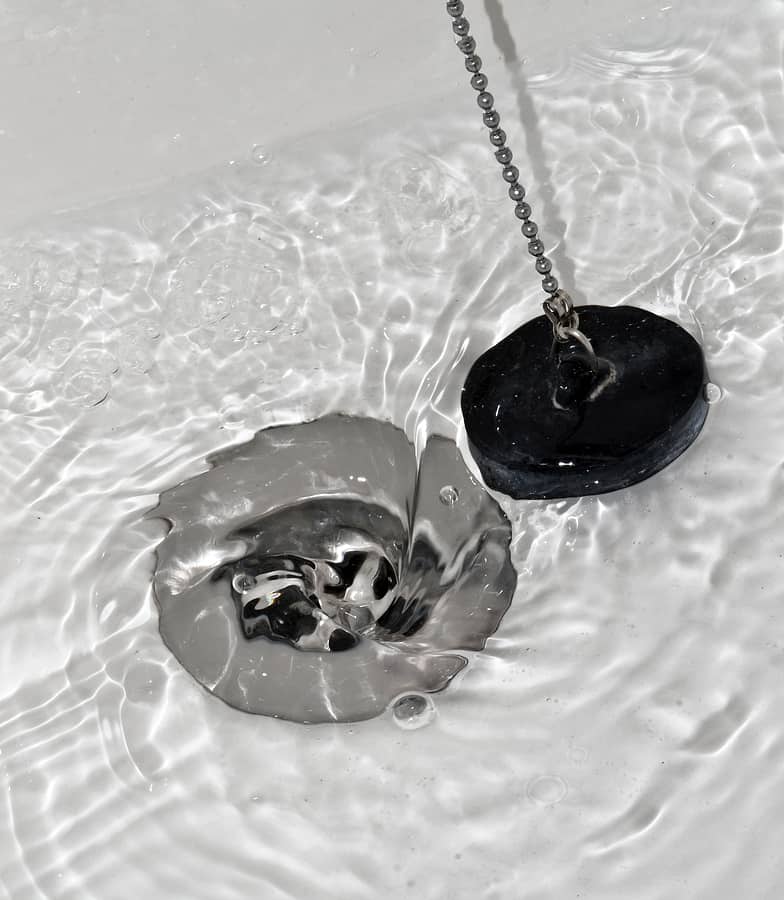
- Regularly Clean Shower Stalls and Bathtubs: Over time, soap and hair can accumulate and cause buildup in your pipes. Routinely scrubbing your stalls and tubs will prevent clogging and keep your bathroom sparkling clean. Fill your tub to the top and drain it at least once a month to help flush out your systems.
- Reduce Water Pressure: High water pressure is great for showers and cleaning but puts a lot of stress on your pipes, increasing the likelihood of leaks. Use a hose bib gauge to monitor your home’s water pressure. Normal pressure is between 40 and 85 psi; if it’s above that range, consider installing a pressure reducer.
- Use a Water Softener: If your home has hard water, it can reduce your plumbing’s lifespan. Minerals like magnesium and calcium can build up inside your pipes, restricting flow and increasing pressure. A white buildup on showerheads and faucets indicates hard water.
How Can a Professional Plumber Help?
First and foremost, a professional plumber can identify specific plumbing issues quickly and effectively using methods like camera inspections to capture high-resolution footage and images from inside your plumbing. Plumbers have the expertise and tools to perform these tasks safely, whereas DIY projects can sometimes cause more harm than good.
Hydro-jetting is one of the most effective methods for thoroughly cleaning pipes, using a high-pressure jet of water to remove stubborn clogs and even tree roots. If the issue is more severe than dirty, clogged pipes, you may need a plumber to replace your pipes. Consult with your plumber to determine the best course of action. Sometimes replacing only the exposed pipes is sufficient, but it depends on the specific problem.
Don’t Wait Until Your Wallet Suffers
Untreated pipes can lead to devastating damages. If you think something is wrong with your plumbing, don’t wait until there’s a sewage backup. Call a plumber immediately.
Milltown is ready to help you navigate your drain clearing and plumbing needs! Call us to schedule service now!
Recent News
Old Wiring vs. Modern Loads: When Does a Panel Upgrade Become a Safety Necessity in Middlesex County?
A panel upgrade becomes a safety necessity when an older Middlesex County home experiences frequent breaker trips, flickering lights, warm
A panel upgrade becomes a safety necessity when an older Middlesex County home experiences frequent breaker trips, flickering lights, warm
Hard Water & Tankless Systems: Why Massachusetts Mineral Buildup is Your Water Heater’s Worst Enemy
Tankless water heaters can be highly efficient, but mineral buildup can quietly reduce that performance over time. In Massachusetts homes,
Tankless water heaters can be highly efficient, but mineral buildup can quietly reduce that performance over time. In Massachusetts homes,
The Cost of Inefficiency: A Deep Dive Into SEER2 Ratings for Massachusetts Homeowners
SEER2 ratings matter because they show how efficiently an air conditioner or heat pump cools your home under updated testing
SEER2 ratings matter because they show how efficiently an air conditioner or heat pump cools your home under updated testing
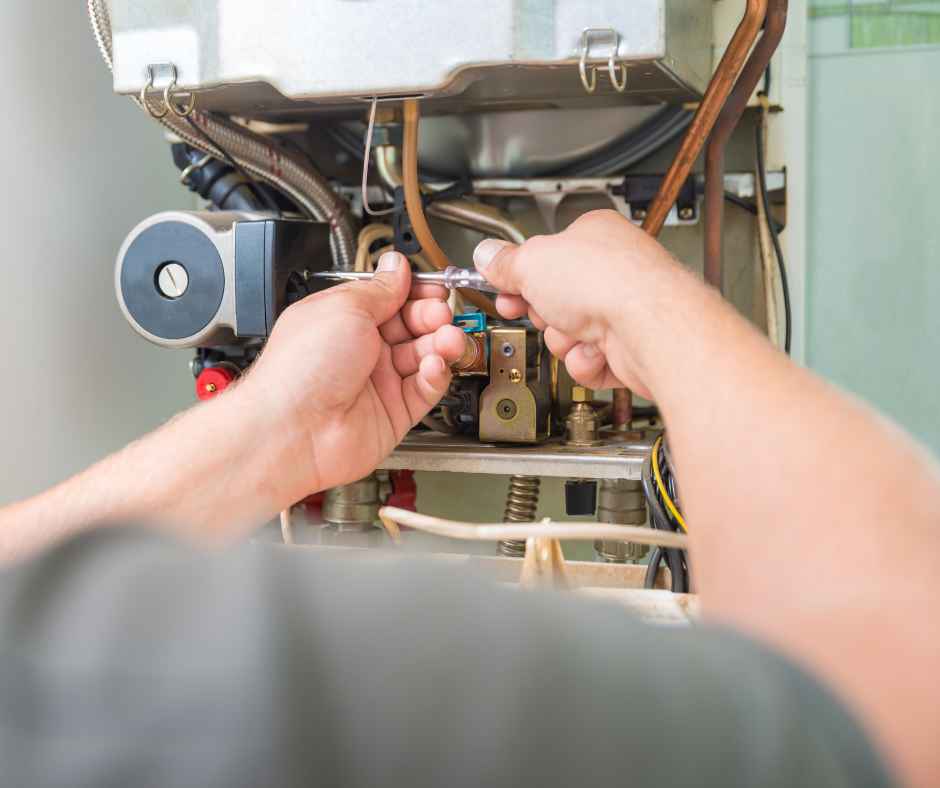
How to Prepare Your Heating System for a Sudden New England Cold Snap
In New England, the weather can shift from a mild afternoon to a bone-chilling freeze in a matter of hours.
In New England, the weather can shift from a mild afternoon to a bone-chilling freeze in a matter of hours.
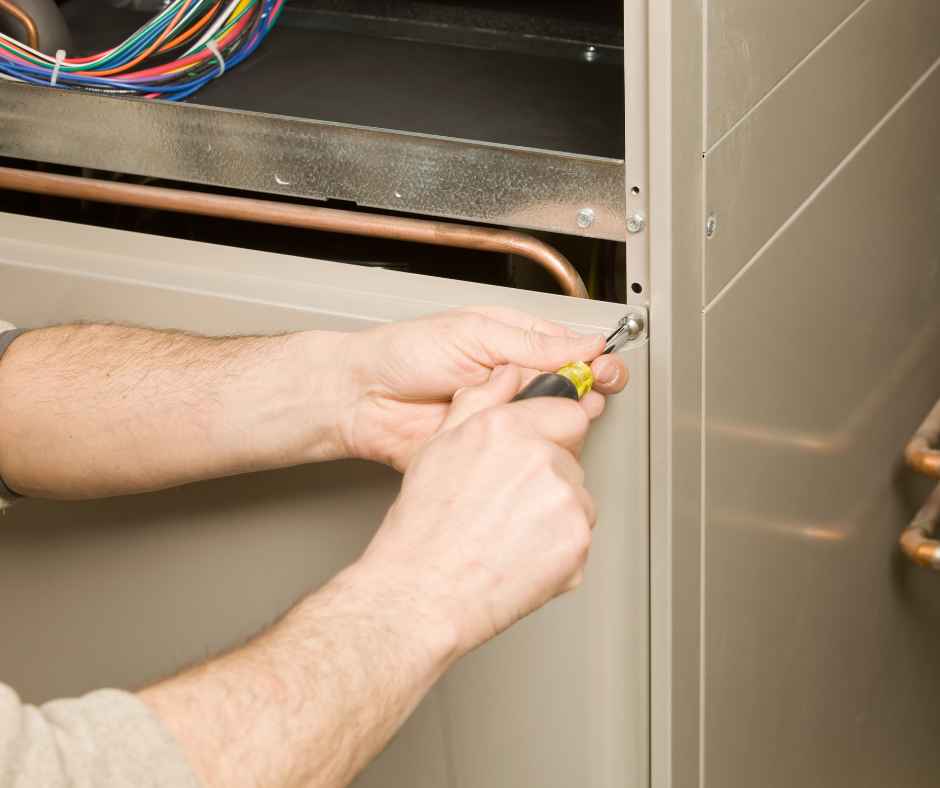
How to Lower Heating Bills Without Sacrificing Comfort in Massachusetts Homes
Surviving a Massachusetts winter requires more than just a heavy coat and a snow shovel. For homeowners across the state,
Surviving a Massachusetts winter requires more than just a heavy coat and a snow shovel. For homeowners across the state,
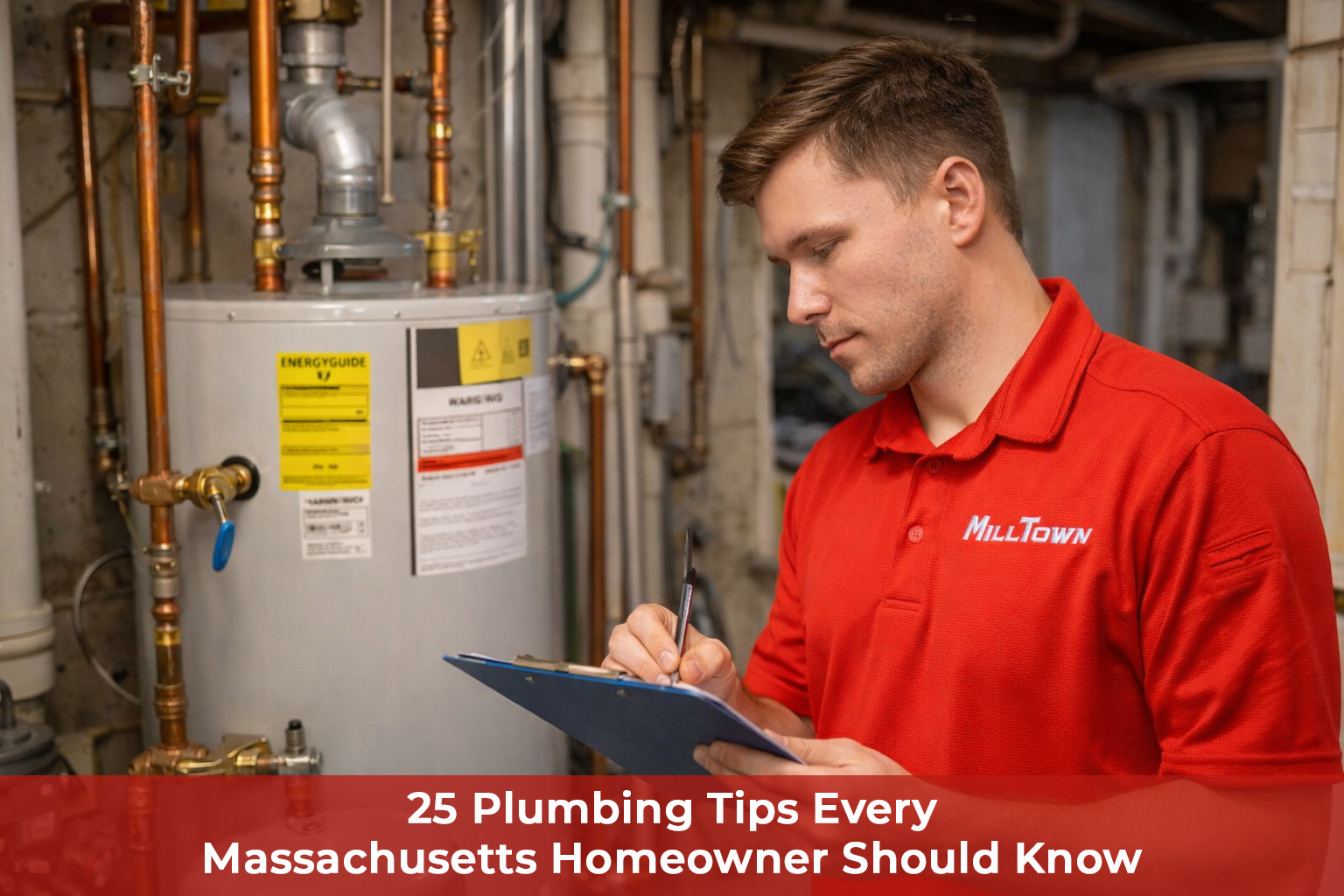
25 Plumbing Tips Every Massachusetts Homeowner Should Know
Keep your water flowing smoothly with advice from the experts at MillTown Plumbing, Heating, Cooling & Electrical When it comes
Keep your water flowing smoothly with advice from the experts at MillTown Plumbing, Heating, Cooling & Electrical When it comes
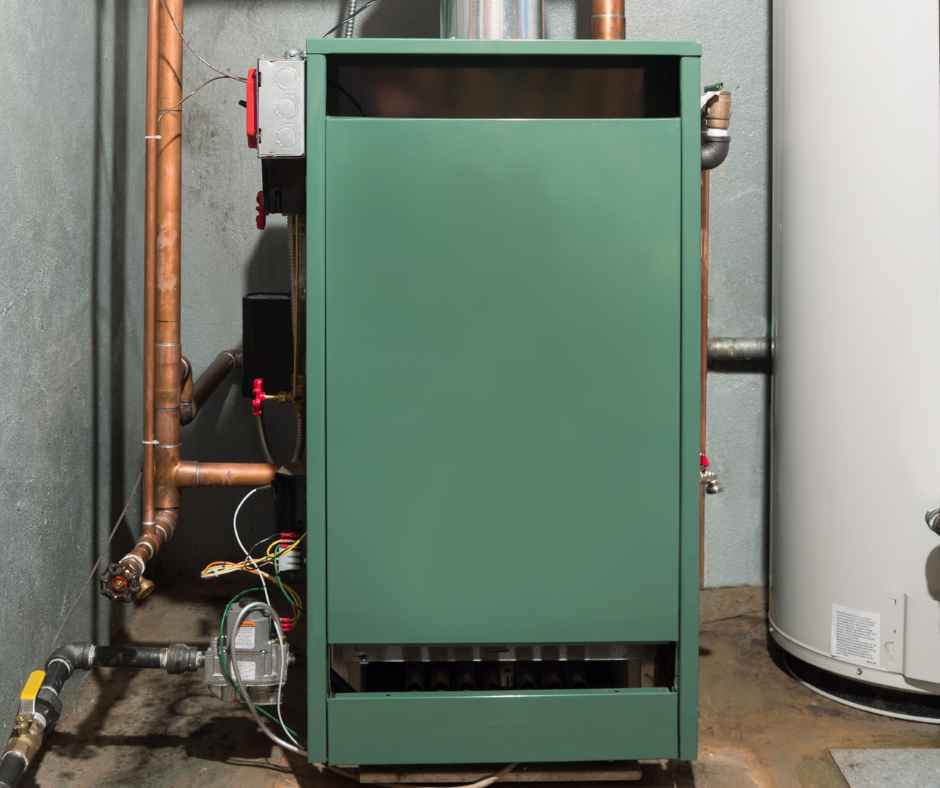
Common Winter HVAC Issues in Massachusetts Homes and When to Call for Service
Massachusetts winters bring freezing temperatures, heavy snowfall, and extended periods of cold weather that place constant strain on home heating
Massachusetts winters bring freezing temperatures, heavy snowfall, and extended periods of cold weather that place constant strain on home heating
Areas In Mass We Service
Acton, MA
Andover, MA
Arlington, MA
Ayer, MA
Bedford, MA
Berlin, MA
Billerica, MA
Bolton, MA
Boxborough, MA
Burlington, MA
Carlisle, MA
Chelmsford, MA
Clinton, MA
Concord, MA
Devens, MA
Dracut, MA
Dunstable, MA
Fitchburg, MA
Georgetown, MA
Groton, MA
Groveland, MA
Harvard, MA
Haverhill, MA
Hudson, MA
Lancaster, MA
Lawrence, MA
Leominster, MA
Lexington, MA
Lincoln, MA
Littleton, MA
Lowell, MA
Lunenburg, MA
Marlborough, MA
Maynard, MA
Methuen, MA
North Andover, MA
North Billerica, MA
North Chelmsford, MA
North Reading, MA
Pepperell, MA
Reading, MA
Shirley, MA
Stoneham, MA
Stow, MA
Sudbury, MA
Tewksbury, MA
Townsend, MA
Tyngsborough, MA
Wakefield, MA
Waltham, MA
Wayland, MA
West Groton, MA
Westford, MA
Weston, MA
Wilmington, MA
Woburn, MA
